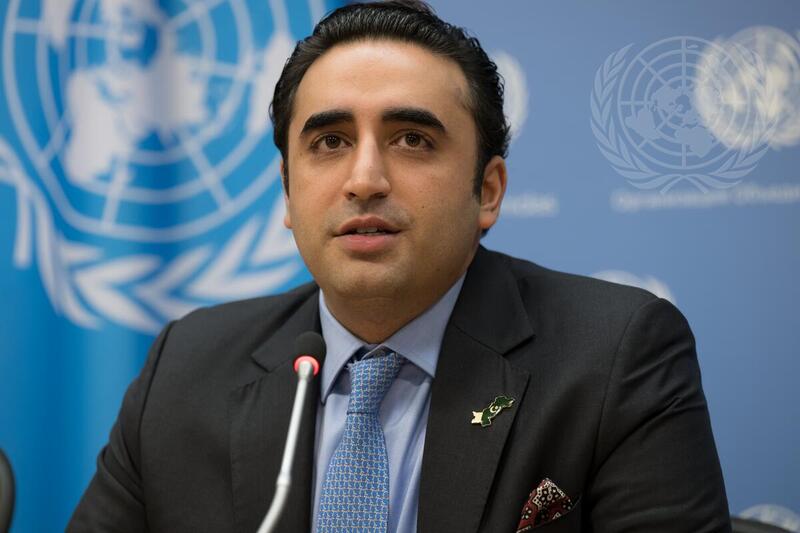
Islamabad, July 9, 2025 – Pakistan Peoples Party (PPP) Chairman Bilawal Bhutto-Zardari has firmly rejected India’s allegations that Pakistan supports terrorist groups, emphasizing the country’s sacrifices and robust actions against terrorism in an interview with an Indian journalist.
Bilawal highlighted Pakistan’s decades-long fight against terrorism, which has claimed 92,000 lives, including over 1,200 civilians in more than 200 attacks last year alone. “Pakistan does not permit any group to conduct terrorist attacks, whether inside or outside our borders,” he stated, warning that 2025 could be the deadliest year yet if current trends persist. Drawing from personal loss—his mother, former Prime Minister Benazir Bhutto, was assassinated in a terrorist attack—Bilawal expressed empathy for victims of the recent Pahalgam attack in Indian-administered Jammu and Kashmir.
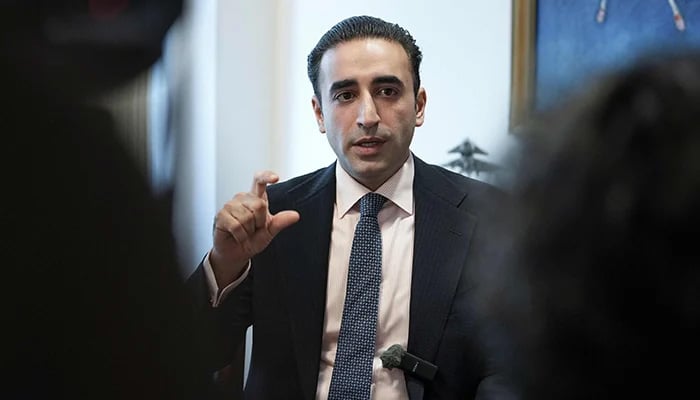
He detailed Pakistan’s counterterrorism efforts, including military operations in South and North Waziristan and the implementation of a National Action Plan. Pakistan’s compliance with the Financial Action Task Force (FATF) was also underscored, with Bilawal noting that the international community has endorsed these measures through a rigorous monitoring process. “Our hands are clean,” he said, pointing to Prime Minister Shehbaz Sharif’s offer for an impartial international inquiry into the Pahalgam incident, which India rejected.
The interview comes in the wake of a May military clash between Pakistan and India, sparked by the April Pahalgam attack. The four-day conflict, involving missiles, drones, and artillery, was the worst in decades. Pakistan’s retaliatory “Operation Bunyan-um-Marsoos” targeted Indian military installations before a U.S.-brokered ceasefire, announced by President Donald Trump, de-escalated tensions. While Pakistan has acknowledged Trump’s role and nominated him for the 2026 Nobel Peace Prize, India disputes claims of U.S. intervention.
Bilawal’s remarks reaffirm Pakistan’s commitment to peace and its call for transparency, urging India to share evidence and engage in dialogue to address mutual concerns.