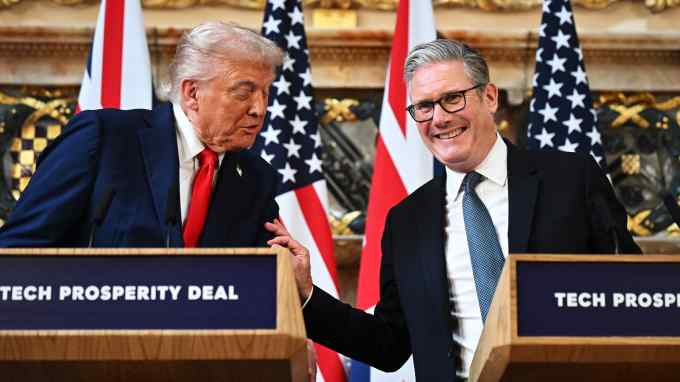
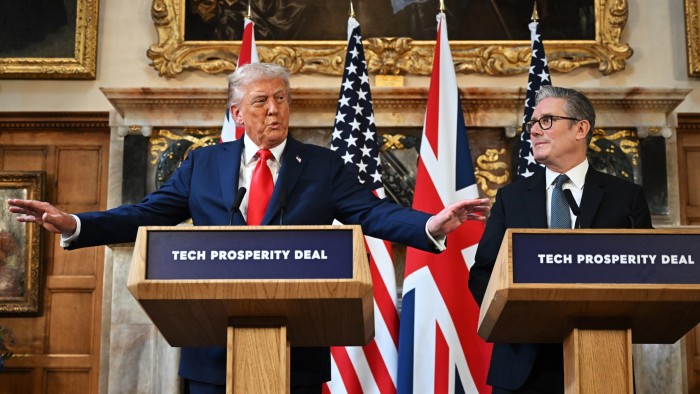
U.S. President Donald Trump and British Prime Minister Keir Starmer emerged from a one-on-one meeting united in the need for a clear diplomatic plan to address the crisis in Gaza, but they made public a notable policy difference: Trump does not support countries formally recognising Palestine as a sovereign state, while Starmer voiced a shared emphasis on pursuing a negotiated peace roadmap.
Leaders agree on the need for a roadmap
After their bilateral talks, Prime Minister Starmer told reporters that both leaders “absolutely agree” that a roadmap toward peace is necessary, citing the intolerable humanitarian and security conditions in Gaza. The two leaders expressed urgency about reducing violence and creating a political framework to stabilize the situation and protect civilians.
Point of difference: recognition of Palestine
When questioned about recent moves by some governments to recognise Palestine as a state, President Trump said he disagreed with Starmer on that specific issue. Trump framed the dispute as a rare policy divergence between the two leaders, while still stressing overall alignment on the goal of negotiating a peaceful outcome.
What this means for international efforts
The public convergence on a peace roadmap signals closer UK-US coordination on immediate diplomatic priorities, including humanitarian access and conflict de-escalation. At the same time, the split on state recognition highlights an unresolved policy fault line that could affect how Western partners coordinate sanctions, aid, and diplomatic recognition going forward. Any eventual multilateral initiative will likely require more talks to reconcile differing national approaches to Palestinian statehood.
Looking ahead
Diplomats and regional actors will watch whether the shared commitment to a roadmap leads to concrete proposals, and whether the recognition question narrows or widens the gap between Western allies. In the short term, the leaders’ combined emphasis on an agreed plan may increase pressure for more active mediation, even as debates over recognition continue behind closed doors.