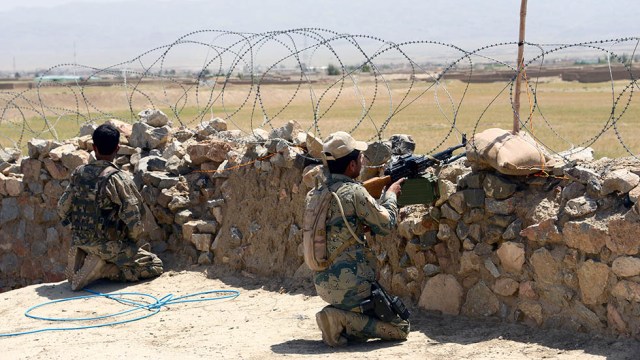
Ceasefire Extended Amid Diplomatic Efforts
In a significant development, Pakistan and Afghanistan have mutually agreed to extend their 48-hour ceasefire, which was initially agreed to on Wednesday, until the conclusion of planned peace talks in Doha, Qatar. The decision to extend the ceasefire aims to give both sides the opportunity to engage in constructive dialogue regarding ongoing border tensions.
According to Reuters, sources familiar with the matter reported that a Pakistani delegation has already arrived in Doha, while an Afghan delegation is expected to reach the Qatari capital soon. However, some security sources have denied the claim that a Pakistani delegation is currently in Doha, clarifying that the delegation is scheduled to depart the following morning.
Background of the Temporary Truce
The temporary ceasefire came after days of intense fighting between the two nations that resulted in significant casualties. Reports indicated that dozens had died, and hundreds were wounded. Pakistan had agreed to the truce at the request of Afghanistan, in the hope of pausing hostilities and opening a pathway to talks.
Shafqat Ali Khan, Pakistan’s Foreign Office spokesperson, highlighted that both nations were utilizing the ceasefire period to engage in constructive dialogue. During a press briefing, Khan expressed optimism about finding a peaceful resolution to the complex border issues between Pakistan and Afghanistan.
Rising Tensions Between Islamabad and Kabul
The ceasefire extension follows a period of heightened tensions due to the Afghan Taliban’s failure to take action against terrorist groups operating from Afghan soil. These groups, particularly the Tehreek-e-Taliban Pakistan (TTP), have been a source of ongoing attacks within Pakistan. The situation escalated on October 12 when Taliban forces, along with TTP militants, launched an unprovoked attack on Pakistan.
In response, Pakistan’s armed forces successfully repelled the attackers, killing over 200 Afghan Taliban and TTP militants. Tragically, 23 Pakistani soldiers lost their lives in the clashes. Furthermore, Pakistan’s military carried out precision strikes on militant strongholds in Afghanistan’s Kandahar and Kabul provinces as part of its self-defense operations.
Pakistan’s Call for Peaceful Relations
Following the temporary ceasefire, Prime Minister Shehbaz Sharif expressed Pakistan’s readiness to engage in peace talks with Afghanistan’s Taliban regime. He urged the Afghan government to take the next step in achieving a permanent ceasefire, emphasizing that the ball now rests in the Taliban’s court.
Defence Minister’s Criticism of Afghanistan’s Actions
In a separate development, Pakistan’s Defence Minister Khawaja Asif strongly criticized the Afghan regime for its lack of positive engagement despite Pakistan’s extensive diplomatic efforts. He accused Afghanistan of becoming a proxy of India and blamed the Afghan government for the ongoing terrorist attacks on Pakistani soil.
Asif pointed out that Pakistan could no longer continue its relationship with Afghanistan as it had in the past. He emphasized that all Afghan nationals residing in Pakistan without valid visas must return to Afghanistan. The minister also stressed that Pakistan’s resources and land should be dedicated to the well-being of its own 250 million citizens.
Pakistan’s Diplomatic Efforts and Commitment to Peace
In his post, Asif outlined the various diplomatic engagements Pakistan has undertaken to resolve the ongoing issues with Afghanistan. These efforts include multiple visits by Pakistan’s foreign and defense ministers, visits by intelligence officials, regular border meetings, protest notes, and diplomatic démarches. Asif reiterated that any source of terrorism would be held accountable and that Pakistan remains committed to peaceful relations with its neighbor.
As both nations await the conclusion of talks in Doha, the global community watches closely, hoping for a sustainable peace agreement that would end years of conflict and border tension.
This extension of the ceasefire highlights the importance of diplomatic engagement in resolving long-standing disputes between Pakistan and Afghanistan. However, the true test will be in the negotiations and whether both sides can achieve a lasting resolution to the conflict.