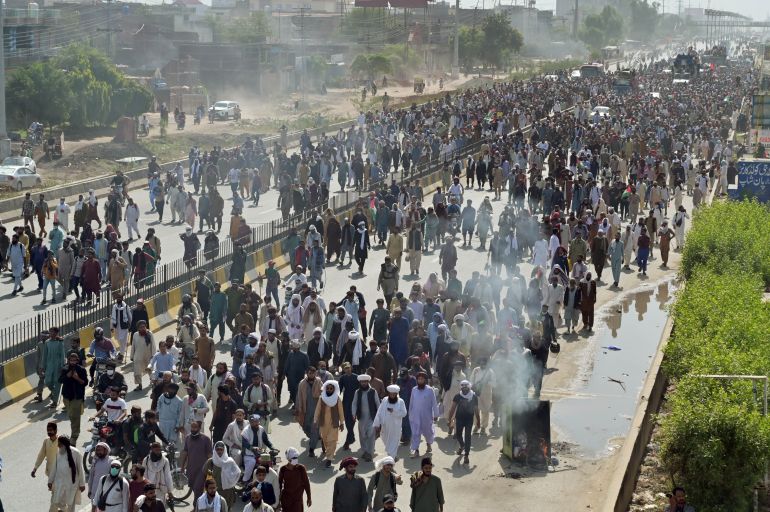
Decision comes in response to violent actions and public safety concerns, with a focus on upholding law and order.
In a significant move, the federal cabinet of Pakistan has approved a request from the Punjab government to impose a ban on the Tehreek-e-Labbaik Pakistan (TLP), declaring the organization a proscribed entity under the Anti-Terrorism Act. The decision comes after a series of violent protests and clashes in Punjab, which resulted in multiple fatalities, including police personnel and civilians.
Unrest in Punjab Sparks Government Action
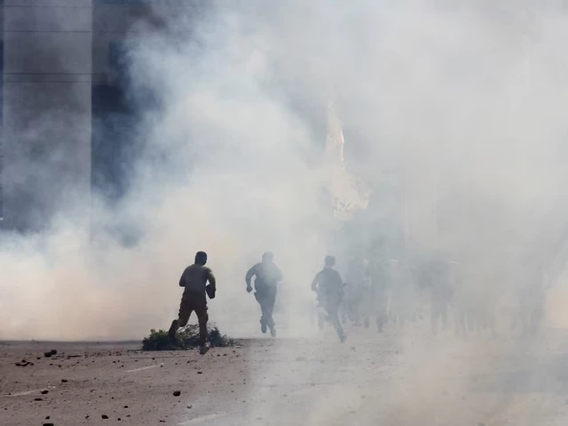
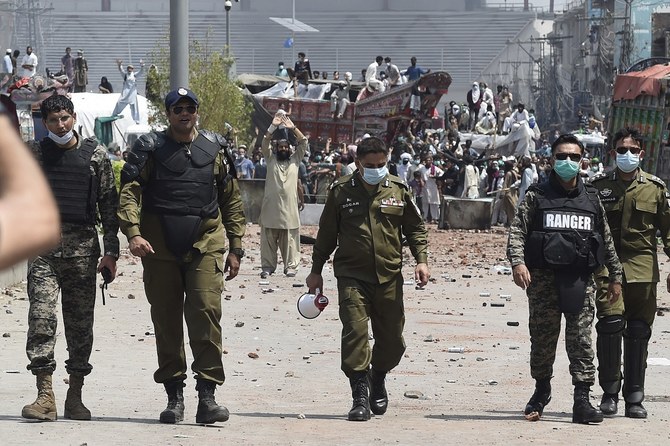
The recent wave of violent protests began earlier this month when TLP activists clashed with police after authorities dismantled a protest camp in Muridke. The unrest escalated rapidly, with clashes leading to the tragic deaths of a police station house officer (SHO) and three others, including a passerby. The disturbances have prompted the government to take swift action in curbing the TLP’s activities.
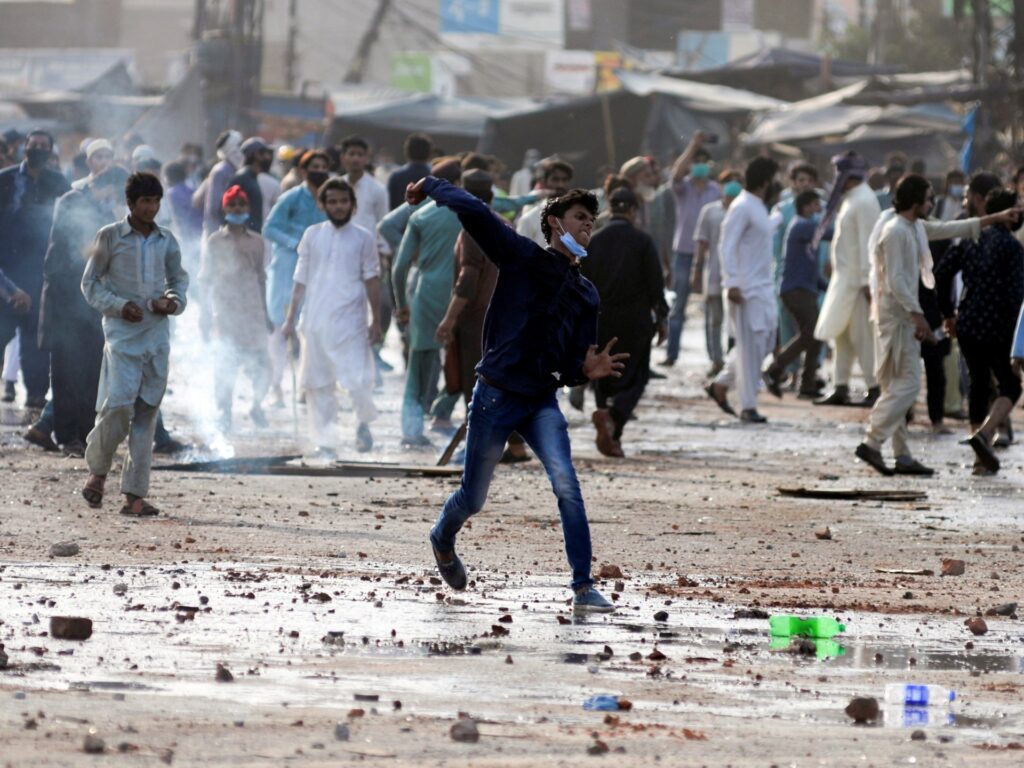
In today’s cabinet meeting, chaired by Prime Minister Shehbaz Sharif, the federal cabinet unanimously approved the proposal to ban the TLP. The decision followed an in-depth briefing by the Ministry of Interior, which highlighted the party’s long-standing history of violent and terrorist activities. The cabinet members were also reminded of the TLP’s role in stoking chaos and instability across the country since its inception in 2016.
A History of Violence and Broken Assurances
The TLP’s violent protests and rallies have frequently resulted in the deaths of both security personnel and innocent civilians. In 2021, the previous government had imposed a temporary ban on the party, lifting it after six months when the TLP assured that it would cease engaging in violent activities. However, with the group’s recent actions contradicting these assurances, the government has now decided to take more permanent legal action.
The decision to impose the ban is not only based on the group’s violent protests but also on its continuous violation of the law, which includes collecting extortion money disguised as donations. These activities have been deemed a direct threat to national security.
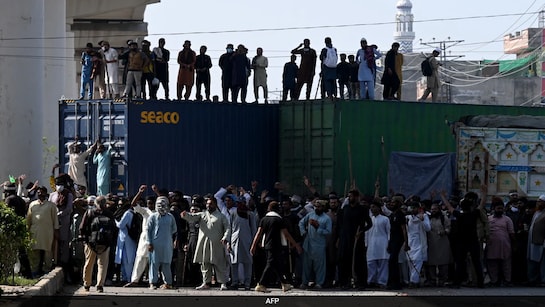
Protestors continue to block key areas, demanding political action. — HRRC
Legal Procedures and Future Steps
Following the cabinet’s approval, the Ministry of Interior has been tasked with completing the necessary legal procedures for enforcing the ban. The matter will be forwarded to the Ministry of Law and Justice, which will file a formal reference with the Supreme Court within 15 days. The final step will be for the Election Commission of Pakistan (ECP) to denotify the TLP once the Supreme Court approves the reference.
State Minister for Interior Affairs Talal Chaudhry defended the decision, stating that the government had no choice but to act decisively after the TLP repeatedly violated its commitments to maintain peace. He emphasized that extremism and violence would no longer be tolerated, asserting that the state would now take stronger measures to ensure that peace and order are maintained.
Addressing Party Assets and Future Legal Action
Minister Chaudhry also outlined that a second phase of legal action would focus on the TLP’s assets, signaling the government’s intention to tackle all aspects of the group’s operations. He further clarified that individuals involved in violence could no longer expect to hold political rights. The government aims to dismantle the party’s operations and prevent further disturbances, reinforcing its commitment to protecting citizens from extremist influences.
Conclusion
The federal cabinet’s decision to ban the TLP marks a significant step towards restoring order and security in Pakistan, particularly in Punjab, where violent protests have escalated recently. The move reflects the government’s unwavering stance against extremism, signaling a firm commitment to maintaining peace and stability across the nation.