Table of Contents
Full News Article
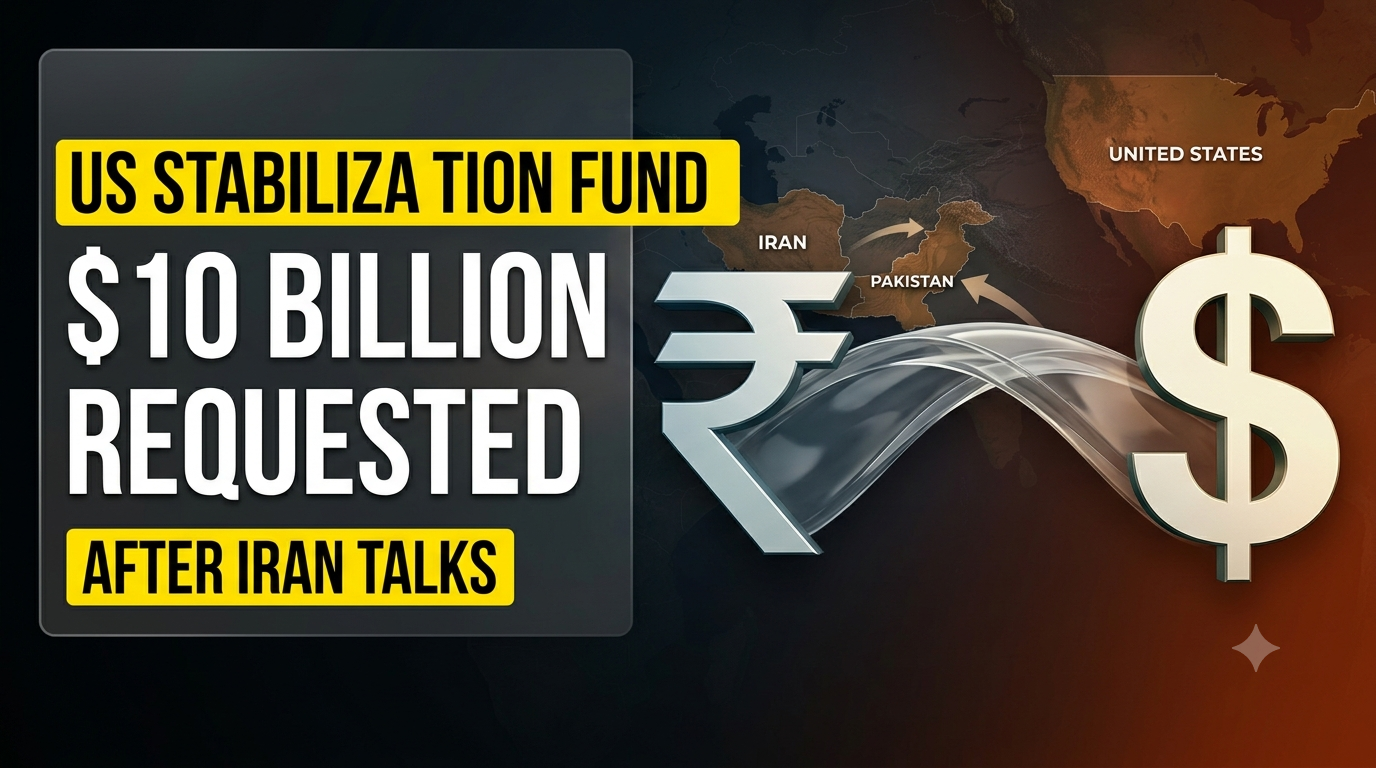
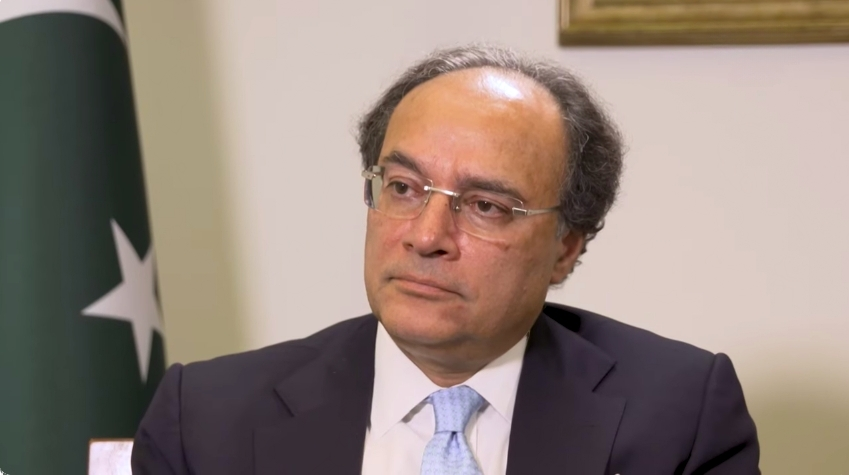
Pakistan request US for a $10 billion bilateral exchange stabilization support facility has been submitted to Washington, aiming to secure a critical economic backstop following Islamabad’s role in mediating peace talks over the Iran conflict. Finance Minister Muhammad Aurangzeb formally delivered the proposal during a high-level meeting with U.S. Treasury Secretary Scott Bessent, seeking a five-year bilateral framework designed to ease pressure on the Pakistani rupee and rebuild national foreign exchange buffers.
High-Stakes Financial Request via the Pakistan US Fund
If approved by Washington, the facility would allow Pakistan to directly strengthen its central bank reserves without placing exclusive reliance on traditional multilateral institutions like the International Monetary Fund (IMF). Exchange stabilization facilities remain rare backstops within the U.S. Treasury, historically routed through the Exchange Stabilization Fund to provide currency swaps, dollar liquidity, or sovereign guarantees to vulnerable partner nations.
The bilateral mechanism would provide Islamabad with a predictable liquidity cushion, helping shield the domestic market against external economic shocks. Foreign exchange reserves have faced recurring volatility, exacerbated by heavy external debt service obligations and delayed disbursements from official bilateral partners. Recent capital movements highlight these vulnerabilities, as seen when Islamabad repaid roughly $3.5 billion to the United Arab Emirates before receiving $3 billion in fresh support from Saudi Arabia.
Diplomatic Leverage After Iran Negotiations
Islamabad’s economic proposal arrives on the heels of its elevated diplomatic standing in the Middle East. Having served as an intermediary in crucial diplomatic dialogues concerning the Iran conflict, Pakistani officials are looking to translate international geopolitical goodwill into tangible economic stability.
During discussions in Washington, Minister Aurangzeb emphasized Pakistan’s exposure to regional geopolitical fallout. Although official ministry communications highlighted discussions on improving access to international capital markets, enhancing sovereign credit ratings, and expanding bilateral trade, sources confirm that the $10 billion stabilization facility constituted a key pillar of the private financial negotiations.
Structural Resilience Beyond IMF Framework
Pakistan remains anchored to a $7 billion IMF Extended Fund Facility, alongside a supplementary $1.3 billion climate resilience facility. While adherence to strict fiscal discipline and tax reforms has stabilized short-term funding capacity, it has imposed severe domestic political costs. The stringent structural benchmarks have limited public spending and restricted growth initiatives, leaving the government eager to secure complementary financial shields.
A direct U.S. backstop would reduce dependence on ad hoc bilateral rollovers from traditional allies like China and Saudi Arabia. Although the State Bank of Pakistan projects central bank reserves could recover toward $20 billion by the end of 2026, foreign direct investment remains subdued due to recurring currency crises, high borrowing costs, and speculative-grade credit ratings.
Strategic Re-Engagement with Washington
The financial request forms part of a broader economic realignment between Islamabad and Washington. Pakistani leadership has actively courted U.S. investment across multiple high-value sectors, including critical mining projects such as Reko Diq, where the U.S. Export-Import Bank announced $1.25 billion in financing support. Furthermore, cross-border commercial ties have expanded into digital assets through a stablecoin arrangement with World Liberty Financial, alongside proposed real estate partnerships in major international holdings.
Securing approval for the facility would mark a dramatic geopolitical and financial milestone. As Washington reviews the proposal, the request underscores how diplomatic bridge-building in volatile regions can create new pathways for economic stabilization. See more on Pulse Pakistan