Table of Contents
ECO Meeting: Pakistan Prepares for Major Regional Diplomatic Gathering
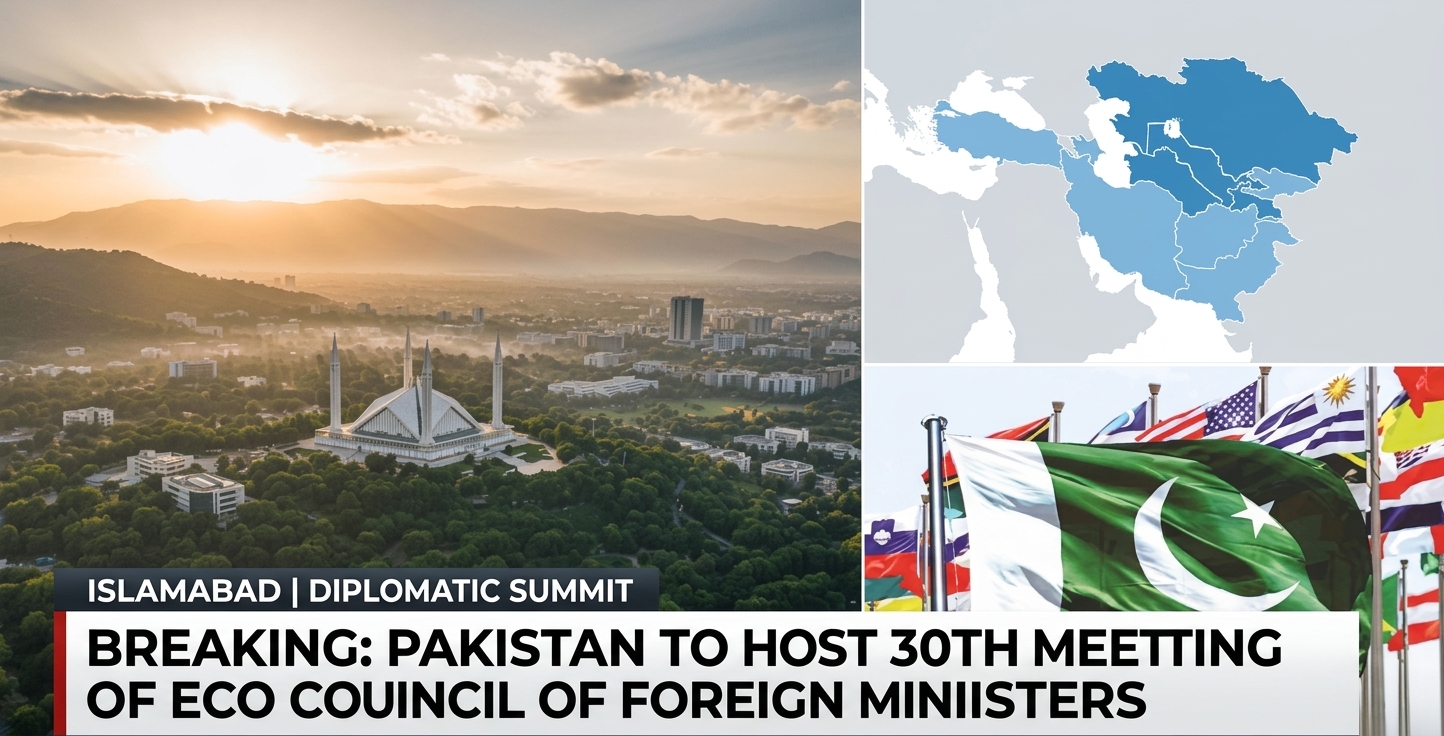
ISLAMABAD: ECO Meeting preparations have entered their final phase as Pakistan gets ready to host the 30th session of the Economic Cooperation Organization (ECO) Council of Ministers in Islamabad on November 15 and 16, bringing regional diplomacy and economic cooperation into focus.
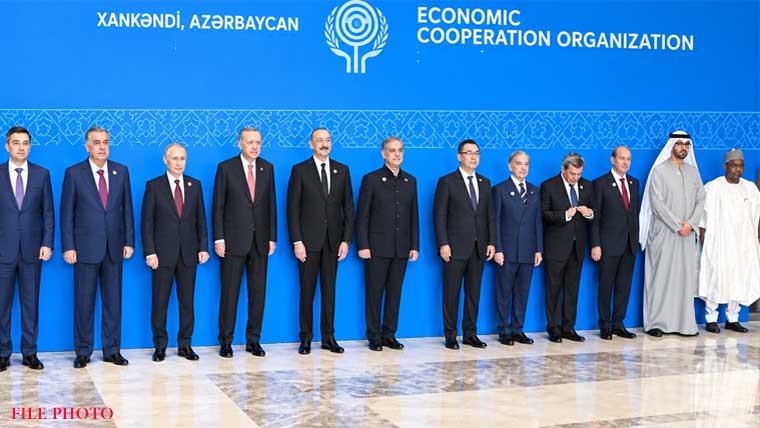
The two-day conference is expected to bring together foreign ministers and senior representatives from member countries to discuss regional trade, economic integration, transport connectivity and opportunities for stronger partnerships. The gathering comes as Pakistan assumes a leading role in the organisation’s decision-making process for the 2026–27 term.
Pakistan Finalises Preparations for 30th ECO Meeting
Pakistan has intensified preparations for the upcoming ECO Meeting, with Deputy Prime Minister and Foreign Minister Ishaq Dar reviewing arrangements for the conference.
According to an official statement issued by the Ministry of Foreign Affairs on November 6, Dar chaired a meeting to finalise preparations and expressed satisfaction with the progress made so far.
He directed relevant departments to maintain close coordination to ensure the smooth organisation of the event and facilitate participating delegations.
The Foreign Office said Pakistan looks forward to welcoming representatives of ECO member states to Islamabad for discussions aimed at strengthening regional cooperation.
The 30th session is expected to provide an important diplomatic platform for advancing shared economic interests and developing practical initiatives among participating countries.
Afghan Taliban Government Not Invited
A significant aspect of the upcoming ECO Meeting is Pakistan’s reported decision not to invite the Afghan Taliban government.
According to diplomatic sources, Islamabad has not extended an invitation to the Taliban administration for the November 15–16 gathering.
A senior official of Pakistan’s Ministry of Foreign Affairs has also reportedly confirmed that the Afghan Taliban government will not participate in the conference.
The development comes against the backdrop of strained relations between Pakistan and Afghanistan, particularly over security concerns and cross-border issues.
Afghanistan is among the ten member states of the ECO. Its absence from the ministerial gathering would therefore be notable, given the organisation’s regional mandate and emphasis on economic integration.
The reported decision also highlights the challenges political disagreements can create for regional cooperation.
However, the reported non-invitation should be distinguished from Afghanistan’s formal membership of the organisation.
Pakistan’s ECO Chairmanship for 2026–27
Pakistan is holding the chairmanship of the ECO Council of Ministers for the 2026–27 term, providing Islamabad with an opportunity to influence the organisation’s priorities and strengthen its regional diplomatic engagement.
The government’s stated theme for its chairmanship is Reviving Regionalism for a Resilient ECO.
Ishaq Dar has previously outlined Pakistan’s priorities, emphasising deeper economic integration, increased trade between member states and improved transport links connecting Central Asia with the Arabian Sea.
Pakistan has also expressed its commitment to translating the organisation’s shared objectives into practical initiatives that benefit the people of the region.
The ECO Meeting will provide an opportunity for Islamabad to engage with regional partners and advance these priorities through ministerial-level discussions.
Regional Trade and Connectivity at the Centre
Regional economic cooperation is expected to dominate the conference agenda.
Member states are likely to discuss ways to increase cross-border trade, improve transportation networks, facilitate the movement of goods and people, and strengthen economic partnerships.
Pakistan’s geographical position gives it strategic importance as a potential transit route for landlocked Central Asian countries seeking access to international markets through Arabian Sea ports.
Improved connectivity could create opportunities for trade, investment and commercial cooperation across South Asia, Central Asia and the Middle East.
Pakistan has also highlighted the importance of strengthening customs procedures and developing more effective regional trade arrangements.
These initiatives could help reduce barriers to commerce and encourage greater participation by businesses across ECO member states.
Economic Cooperation Amid Regional Challenges
The upcoming ECO Meeting takes place at a time when political tensions, security concerns and economic challenges continue to affect regional relationships.
Differences between member countries have sometimes complicated efforts to achieve stronger economic integration.
Pakistan’s strained relationship with Afghanistan presents an additional challenge, particularly because regional connectivity projects depend on stable cross-border arrangements.
Despite these difficulties, the organisation offers a platform for member states to pursue common economic interests through dialogue and cooperation.
The Islamabad conference will therefore be an important opportunity to assess existing initiatives and explore new areas of collaboration.
For Pakistan, successfully hosting the 30th session could strengthen its diplomatic engagement with regional capitals and reinforce its ambition to become a regional trade and connectivity hub.
The outcome will ultimately depend on whether participating countries can turn their commitments into practical measures that support sustainable economic growth and regional stability.See More on Pulse Pakistan