Table of Contents
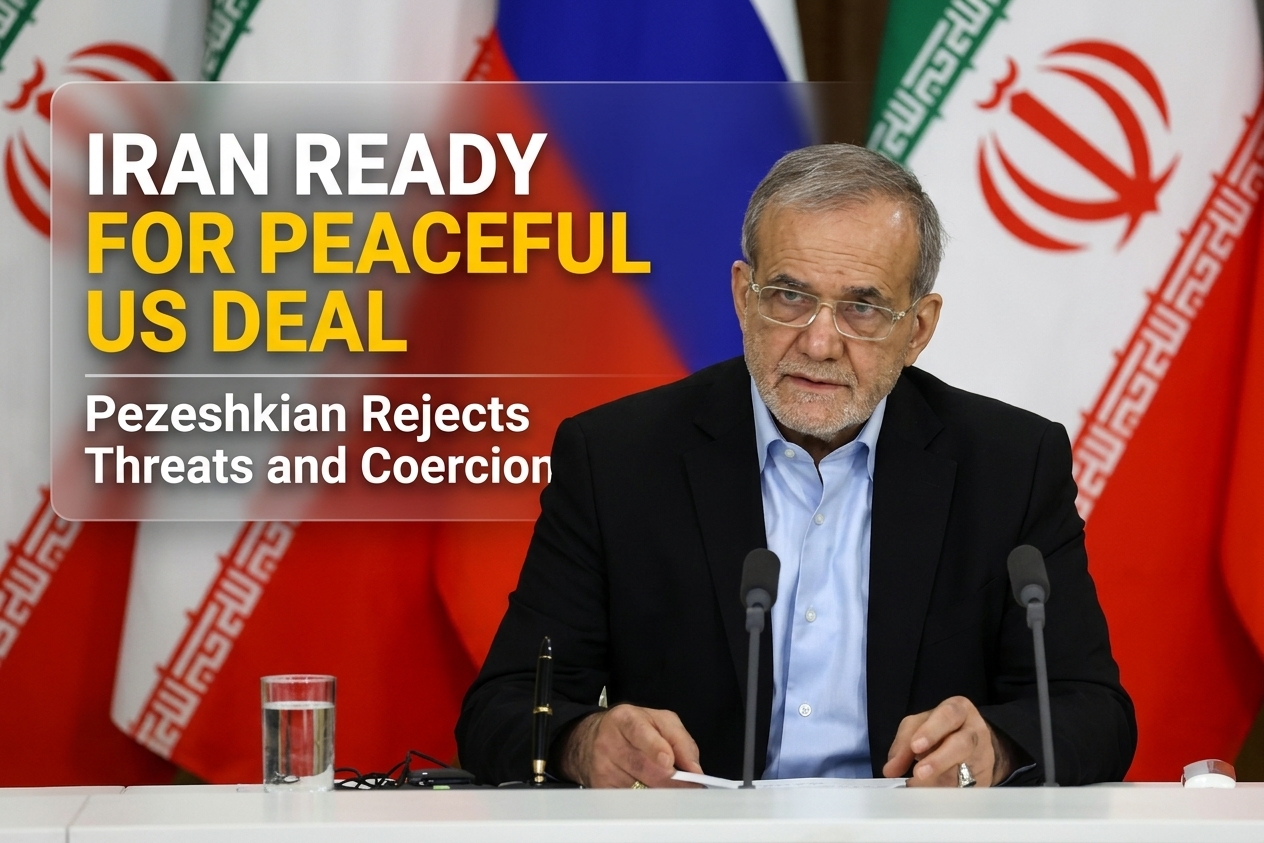
Iran-US Talks have emerged as a possible diplomatic route to resolving tensions between Tehran and Washington, with Iranian President Masoud Pezeshkian expressing his country’s willingness to settle the dispute through negotiations based on dignity and mutual respect.
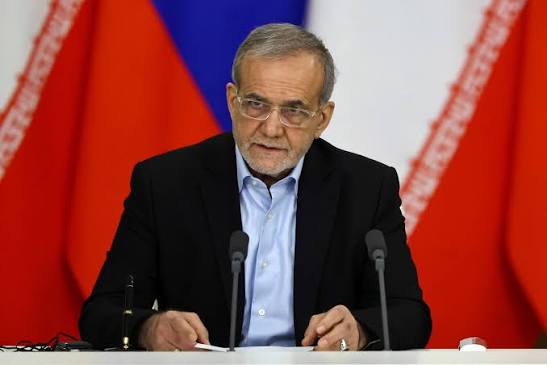
Pezeshkian’s remarks signal Tehran’s stated preference for dialogue over military confrontation, although he has made clear that Iran will not accept negotiations conducted under threats, intimidation or the use of force.
Iran-US Talks: Pezeshkian Signals Openness to Negotiations
According to a report by the British Broadcasting Corporation (BBC), the Iranian president said that his country was prepared to engage with the United States to resolve outstanding differences through respectful discussions.
He indicated that diplomatic engagement could provide an opportunity to bring the dispute to an end, provided both sides approached the process with mutual respect.
The Iranian leader’s statement highlights Tehran’s position that negotiations should be based on equality and recognition of its national rights rather than pressure or coercion.
His comments come amid continued tensions between the two countries, with diplomatic engagement remaining an important issue in efforts to prevent further confrontation.
Pezeshkian Says Diplomacy Should Prevent War
The Iranian president described his country as one that believes in dialogue and negotiations, arguing that diplomatic solutions should be pursued whenever they can protect national interests.
He maintained that if Iran could secure its legitimate rights through negotiations, there would be little reason to expose the country to the consequences of war.
Pezeshkian’s remarks underline the distinction between Iran’s willingness to negotiate and its refusal to accept conditions that it considers unfair or imposed through external pressure.
His position suggests that Tehran views diplomacy as a practical way to address disagreements while avoiding the economic, political and humanitarian consequences associated with military conflict.
Tehran Rejects Pressure and Military Threats
Despite expressing support for negotiations, Pezeshkian drew a clear distinction between diplomatic engagement and surrender.
He warned that Iran would not give in to the use of force, threats or intimidation, stressing that any resolution must respect the country’s rights and dignity.
The statement reflects Tehran’s insistence that meaningful negotiations cannot take place under coercive circumstances.
This position also presents a challenge for Washington, as any potential diplomatic process would require both governments to address their differences and establish mutually acceptable conditions.
Implications for US-Iran Relations
The latest statement could keep diplomatic possibilities open at a time when relations between Washington and Tehran remain strained.
However, expressing willingness to negotiate does not necessarily indicate that a formal agreement or breakthrough is imminent.
Both countries would need to demonstrate a willingness to engage constructively and address the issues contributing to their disagreement.
For the international community, renewed diplomatic engagement between Iran and the United States would be significant for broader regional stability.
For now, Pezeshkian’s message is that Iran is prepared to pursue a peaceful resolution, but not at the expense of its national dignity or rights.
Whether this position can translate into meaningful negotiations will depend on the willingness of both sides to pursue diplomacy without resorting to threats or confrontation.See More on Pulse Pakistan