Table of Contents
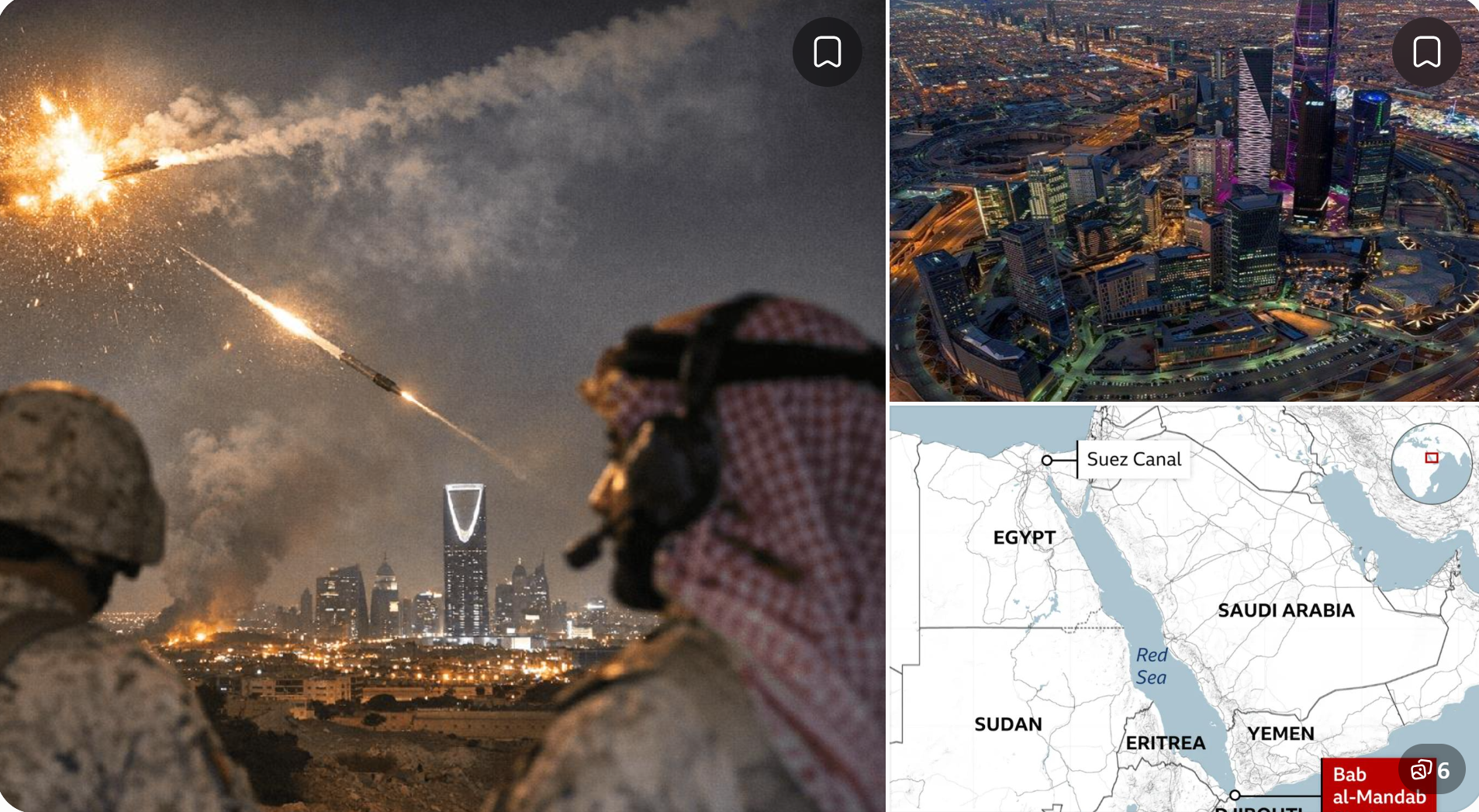
Houthi missile attack on Saudi Arabia’s capital, Riyadh, triggered fresh security concerns on Thursday after a loud explosion was heard across the city and falling missile debris caused damage to property. The Saudi-led coalition said it had responded to the incoming missile threat, while authorities continued assessing the extent of the damage amid escalating hostilities in the region.
Houthi Missile Attack Triggers Alarm in Riyadh
The latest Houthi missile attack marks another escalation in the confrontation between Saudi Arabia and Yemen’s Iran-aligned Houthi movement.
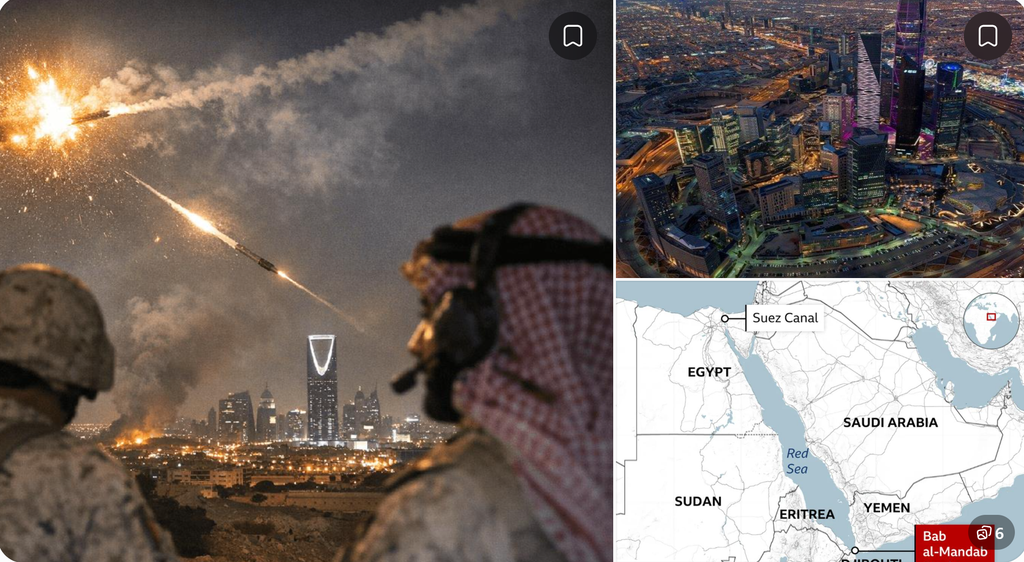
According to the Saudi-led coalition, its forces responded to a ballistic missile threat directed at Riyadh. An initial assessment indicated that debris from the intercepted missile had fallen in the capital, causing material damage.
The coalition said the situation was being assessed, but did not initially provide a comprehensive account of the damage or confirm whether there had been any casualties.
The incident comes as Saudi Arabia faces renewed missile and drone threats from Yemen, raising concerns about the security of major urban centres and critical infrastructure.
Saudi Coalition Confirms Property Damage
Saudi military authorities confirmed that falling missile debris had damaged property in Riyadh. The full extent of the destruction remained under assessment following the incident.
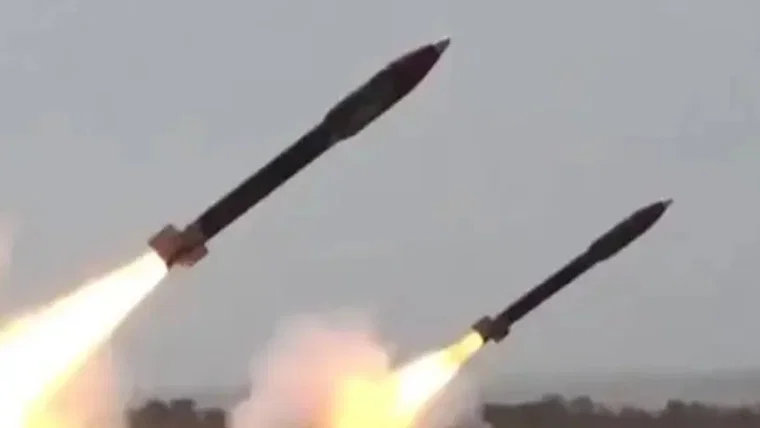
In separate statements, coalition spokesman Major General Turki Al-Maliki reported that Saudi air defences had intercepted ballistic missiles targeting the kingdom’s southern region.
The coalition also announced the destruction of missile-launching platforms in Yemen’s Saada and Dhamar provinces, which it said had been used in attempted attacks against Saudi territory.
Saudi authorities have repeatedly faced threats involving missiles and drones, with previous incidents affecting civilian and commercial infrastructure.
Saudi Civil Defence Issues Emergency Alert
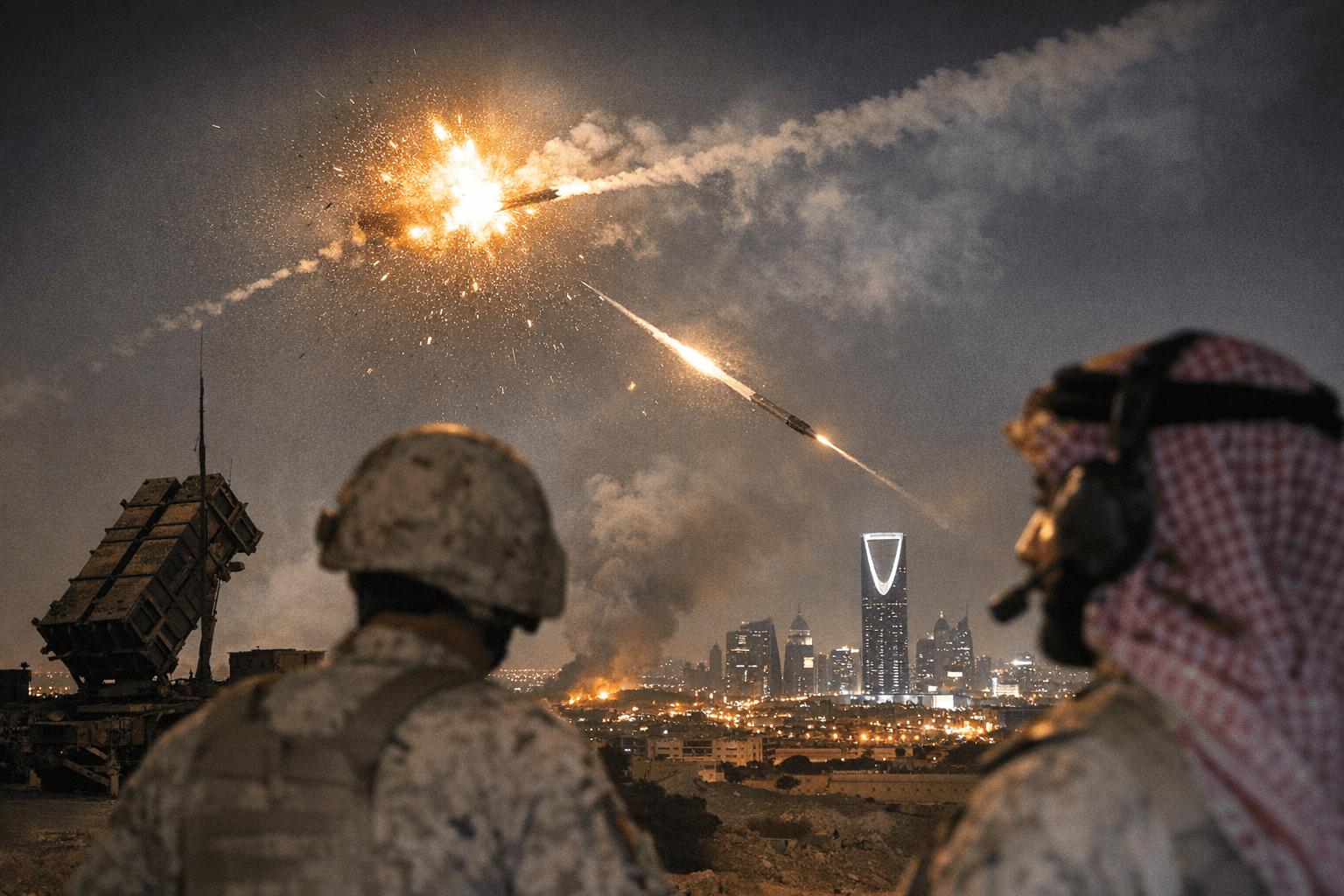
The explosion in Riyadh prompted Saudi Civil Defence to issue an emergency warning to residents.
According to reports, mobile phone alerts were sent to people in the capital, warning of a potential aerial threat. The announcement initially provided limited information about the danger.
Authorities subsequently issued an all-clear notification, confirming that the immediate threat had passed.
Saudi Civil Defence later reported damage to several floors of a tower in Riyadh’s financial district and nearby buildings. Officials said no injuries had been reported in that incident.
The incident highlighted the challenges facing Saudi emergency services as missile threats increasingly affect populated areas.
Crown Prince Meets US CENTCOM Commander
The latest developments unfolded shortly after Saudi Crown Prince and Prime Minister Mohammed bin Salman met US Central Command (CENTCOM) chief Admiral Brad Cooper in Riyadh.
According to the Saudi Press Agency (SPA), the meeting focused on bilateral relations, particularly military cooperation, and the latest regional developments.
Saudi Defence Minister Prince Khalid bin Salman, National Security Adviser Dr Musaed Al-Aiban and Chief of General Staff General Fayyad Al-Ruwaili also attended the meeting.
The discussions came at a time when Saudi Arabia is confronting growing security challenges linked to the wider regional conflict and renewed hostilities with the Houthis.
Bab el-Mandeb Strait Raises Strategic Concerns
The latest confrontation has added significance because of developments along Yemen’s Red Sea coastline.
Houthi fighters have reportedly seized strategic positions in coastal areas and advanced towards the Bab el-Mandeb Strait, one of the world’s most important maritime trade corridors.
The narrow waterway connects the Red Sea with the Gulf of Aden and the Indian Ocean. It provides a critical passage for international shipping, including vessels carrying energy supplies and commercial goods.
Any disruption to traffic through the strait could affect shipping schedules, transportation costs and energy markets.
The waterway is particularly important for Gulf oil producers seeking access to international markets through maritime routes connecting the Red Sea with global trade networks.
Renewed Fighting Threatens Regional Stability
The renewed fighting has undermined the relative calm established under the United Nations-brokered truce of 2022.
That agreement had significantly reduced direct hostilities between the Saudi-led coalition and the Houthis.
The coalition intervened in Yemen in 2015 to support the internationally recognised government after the Houthis seized the capital, Sanaa, and expanded their control over large parts of the country.
However, tensions have intensified again since the wider Middle East conflict spilled into Yemen, creating another major security challenge for Saudi Arabia.
The Houthis have increasingly targeted Saudi territory, while Riyadh has responded with military operations against Houthi positions in Yemen.
Growing Risks to Saudi Infrastructure and Shipping
Previous attacks have demonstrated the potential consequences for Saudi Arabia’s civilian and economic infrastructure.
Riyadh has experienced repeated missile threats, including incidents involving King Khalid International Airport and damage to buildings associated with Saudi oil giant Aramco.
The latest confrontation has renewed concerns about the vulnerability of airports, ports, energy facilities and major commercial centres.
The security implications also extend beyond Saudi Arabia. Continued hostilities near the Bab el-Mandeb Strait could threaten international shipping and increase pressure on already sensitive global supply chains.
With missile exchanges continuing and diplomatic and military contacts taking place between regional and international powers, the possibility of further escalation remains a major concern.
For Saudi Arabia, protecting its cities, energy infrastructure and maritime interests will remain a central security priority as tensions with the Houthis intensify.See More on Pulse Paksitan