Table of Contents
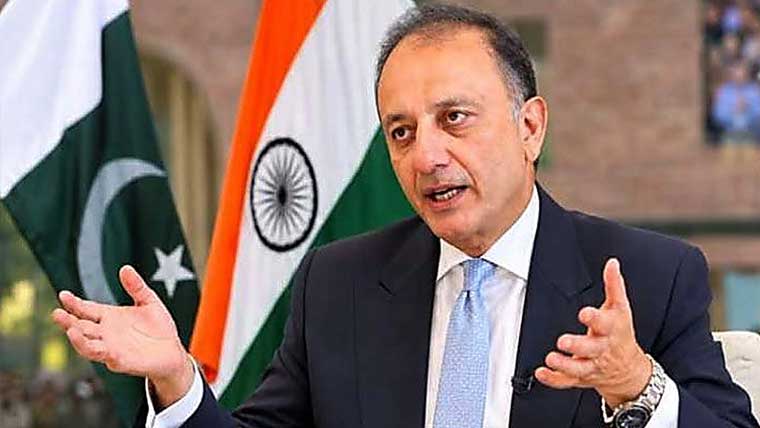
Pakistan-India Cultural Dialogue has become an important subject of regional engagement, with Federal Minister for Climate Change and Environmental Coordination Dr Musaddik Masood Malik stressing the need to strengthen cultural connections and promote meaningful discussions between neighbouring countries.
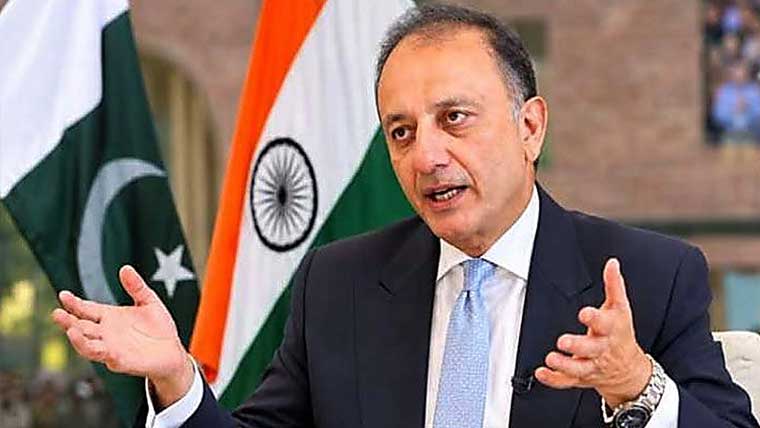
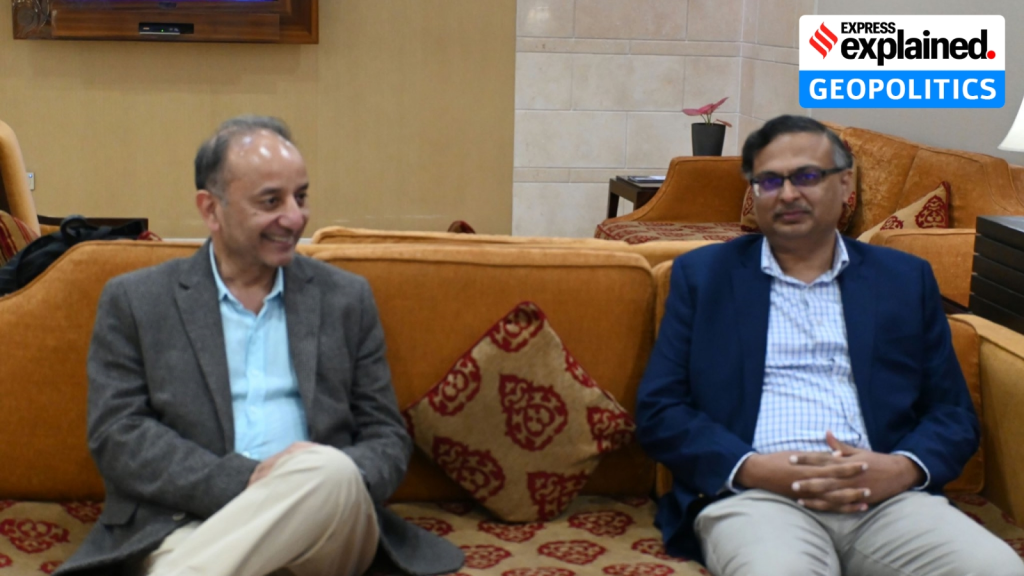
Speaking informally to journalists in New Delhi during his participation in the Shanghai Cooperation Organisation (SCO) Civilisational Dialogue Forum on Friday, November 20, Malik described the opportunity to participate in a multilateral discussion on culture and civilisation as an extraordinary development.
He said countries in the region shared historical, geographical and cultural connections that extended beyond modern political boundaries.
Musaddik Malik Calls for Pakistan-India Cultural Dialogue
The federal minister emphasised that cultural engagement between Pakistan and India, alongside other regional countries, was essential for building mutual understanding.
According to Malik, cultures and civilisations cannot be restricted by geographical borders because their historical connections often extend across several countries.
He welcomed the opportunity provided by the SCO forum to discuss shared cultural traditions, historical experiences and civilisational heritage with representatives from different member states.
Malik maintained that such interactions could help countries understand one another’s perspectives and recognise the historical connections that link societies across the region.
His remarks placed particular emphasis on the importance of maintaining communication despite political and diplomatic differences.
Shared History Beyond Political Borders
Discussing the relationship between geography and civilisation, Malik said cultural identities were not limited to the boundaries that separate modern nation-states.
He noted that communities across South Asia, Central Asia and neighbouring regions had developed historical connections through centuries of interaction.
These connections, he suggested, provided an important foundation for discussions about regional cooperation and cultural understanding.
The minister said it was encouraging that representatives from different countries were getting an opportunity to exchange views on their common historical and cultural heritage.
He described the multilateral gathering as a valuable platform for recognising the historical relationships that continue to connect societies across the region.
Diversity as the Foundation of Dialogue
One of the central points in Malik’s remarks was his distinction between dialogue and uniformity.
He argued that meaningful dialogue was necessary precisely because different countries and societies had distinct identities, traditions and perspectives.
According to the minister, dialogue was not about making everyone identical. Instead, it was about recognising differences and developing an understanding of other people’s viewpoints.
He suggested that meaningful engagement required countries to move beyond their individual perspectives and appreciate the diversity of cultures and civilisations.
This approach, he indicated, could help create opportunities for stronger regional relationships through mutual respect and communication.
Ancient Connections Across the Region
Malik also highlighted the historical links connecting Pakistan, India, Russia, China and the Central Asian republics.
He referred to archaeological discoveries across the region as evidence of ancient cultural interactions and shared civilisational development.
According to the minister, archaeological excavations have revealed historical connections between societies that are now located within different national boundaries.
These findings underline the importance of studying regional history collectively rather than viewing each country’s cultural development in isolation.
He maintained that the shared heritage of these countries offered significant opportunities for further academic, cultural and diplomatic engagement.
SCO Forum Offers Opportunity for Cooperation
The SCO Civilisational Dialogue Forum provides a platform for member countries to exchange views on cultural heritage, historical relationships and civilisational development.
The inaugural three-day gathering is being held in New Delhi from November 20 to 22, 2026, bringing together representatives, scholars and cultural experts from participating countries.
Pakistan’s Foreign Office previously announced that Dr Musaddik Malik would lead the country’s delegation at the forum.
The initiative builds on a proposal presented at the SCO summit in Tianjin, China, in 2025, aimed at establishing a dedicated platform for civilisational dialogue.
The forum seeks to strengthen people-to-people connections and encourage greater understanding among participating countries.
Pakistan-India Relations and Regional Prospects
Malik’s remarks carry particular significance against the backdrop of strained diplomatic relations between Pakistan and India.
The two neighbouring countries have experienced persistent political and security tensions, with formal high-level engagement remaining limited in recent years.
His participation in the New Delhi gathering also marks the first visit by a Pakistani federal minister to India since former foreign minister Bilawal Bhutto-Zardari attended an SCO meeting in Goa in May 2023.
Although the SCO forum is a multilateral platform rather than a bilateral negotiation, it provides an opportunity for representatives of both countries to engage within a broader regional framework.
Malik reiterated that strengthening cultural connections and encouraging dialogue were essential for improving mutual understanding.
His message highlighted the potential role of shared history, cultural diversity and people-to-people engagement in creating a more cooperative regional environment.
Whether such exchanges translate into broader diplomatic progress remains to be seen, but the minister’s remarks underline the importance of keeping communication open between neighbouring countries.See More on Pulse Pakistan