Table of Contents
Trump Iran Policy has entered another uncertain phase after US President Donald Trump indicated that he would postpone a decision on possible renewed military strikes against Iran until the beginning of 2027.
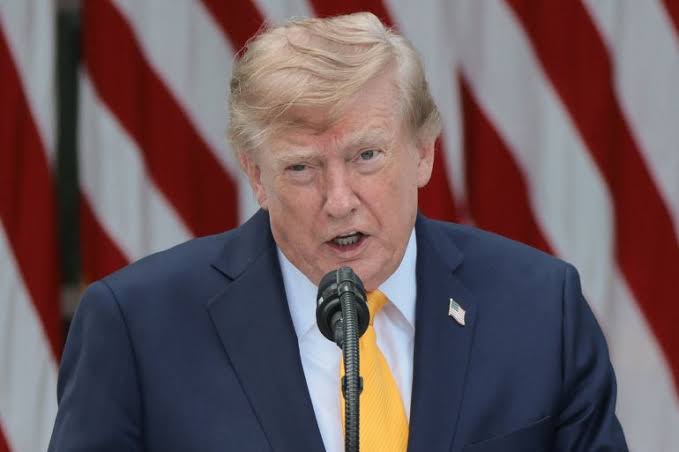
Trump’s latest remarks suggest that Washington is not prepared to make an immediate decision on further military action, despite continuing tensions with Tehran and pressure from regional allies. The US president has maintained that there is still time to assess developments before determining the next course of action.
Trump Iran Policy: Decision Delayed Until 2027
Speaking to Reuters on Thursday, November 19, while returning to Washington from China, Trump was asked whether the United States was considering another round of major strikes against Iran.
He responded that he would discuss the matter after the beginning of the new year, adding that Washington had sufficient time to make a decision.
His comments indicated that the administration was moving away from an earlier timeline that had suggested a possible decision following the November 3 US midterm elections.
Trump also conveyed a similar message in an interview with Axios, saying he was not rushing into any decision concerning Iran.
The statements suggest that the White House intends to retain flexibility while evaluating military, diplomatic and regional developments.
What Trump Said About Possible Military Action
Trump’s remarks do not amount to a permanent rejection of further military operations against Iran.
Instead, they indicate that the US president wants to delay a final decision while keeping military options available.
In recent weeks, Trump has sent mixed signals about the future of the conflict. At different times, he has threatened further escalation while also suggesting that the existing military confrontation could be brought under control.
His latest position leaves open the possibility of renewed strikes if Washington concludes that military action is necessary.
According to Reuters, Trump had previously suggested that a major decision could emerge after the midterm elections. His latest comments have now pushed that potential decision into the new year.
Washington’s Changing Approach Towards Tehran
The Trump administration has increasingly relied on economic pressure and restrictions on Iranian oil shipments while maintaining its military presence in the region.
Trump has described the pressure campaign and naval blockade as effective measures against Tehran.
The administration’s approach appears aimed at maintaining pressure without immediately returning to a large-scale military confrontation.
However, the situation remains complicated by disagreements over the conditions required for a broader settlement.
Washington wants Iran to address its security and nuclear-related concerns, while Tehran has maintained its own demands concerning sanctions, economic restrictions and regional security.
The gap between the two positions continues to complicate diplomatic efforts.
Iran Conflict and Regional Tensions
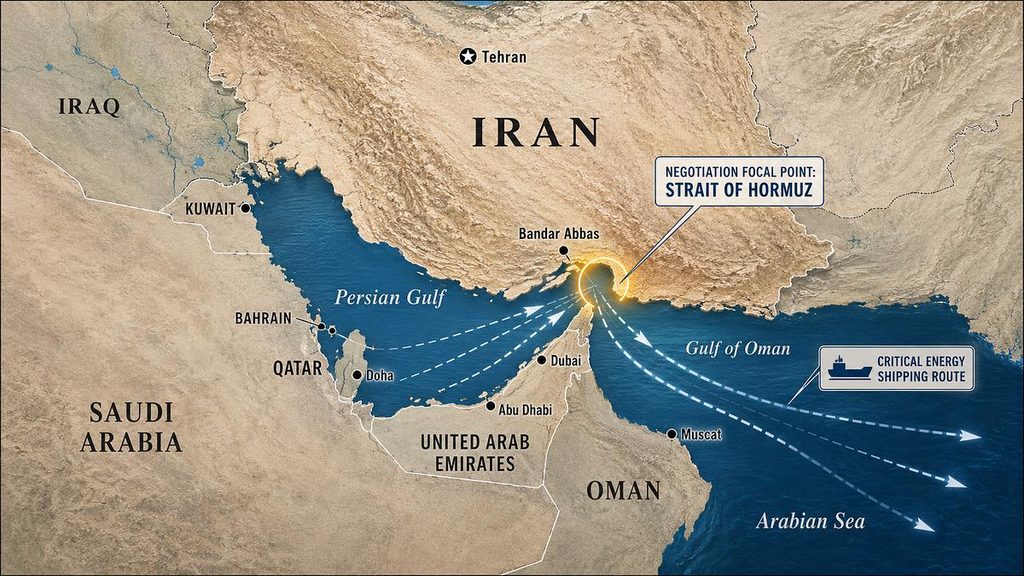
The confrontation between the United States and Iran has developed into a wider regional security crisis, with implications for Gulf countries, international shipping and global energy markets.
The Strait of Hormuz remains particularly important because of its role in international oil transportation.
Any renewed military confrontation could create additional uncertainty for commercial shipping and energy supplies, potentially affecting oil prices and regional economic stability.
Regional governments have also expressed concerns about the consequences of further escalation, particularly the possibility of retaliatory attacks and disruption to critical infrastructure.
The continuation of the current standoff therefore carries risks beyond the immediate relationship between Washington and Tehran.
Political Pressure and US Congressional Developments
Trump’s latest comments also come amid growing political debate in Washington over the continuation of the Iran conflict.
On November 19, the US Senate rejected a war powers resolution by a vote of 51-48. The proposed measure would have required Trump to end the military campaign or seek congressional authorization to continue it.
The vote demonstrated continued Republican support for the president’s approach, although several Republicans joined Democrats in supporting the resolution.
The conflict has also become a domestic political issue following Republican losses in the November midterm elections.
Democratic lawmakers have questioned the administration’s strategy, the financial cost of the conflict and the extent of congressional oversight over military operations.
These political developments add another dimension to the decisions facing the White House.
What Happens After January 1?
The beginning of 2027 could become an important turning point in the US approach towards Iran.
Trump’s decision will likely depend on developments involving Tehran, the effectiveness of economic pressure, diplomatic contacts and assessments of potential military risks.
Israel’s position could also influence Washington’s calculations, particularly as Israeli officials continue expressing concerns about Iran’s military and nuclear capabilities.
Nevertheless, Trump’s latest statements indicate that an immediate return to major US military operations is not being presented as an imminent decision.
For now, Washington appears prepared to maintain pressure while monitoring the situation.
The coming weeks will be important in determining whether diplomatic efforts can produce progress or whether the United States eventually considers renewed military action.See More on Pulse Pakistan