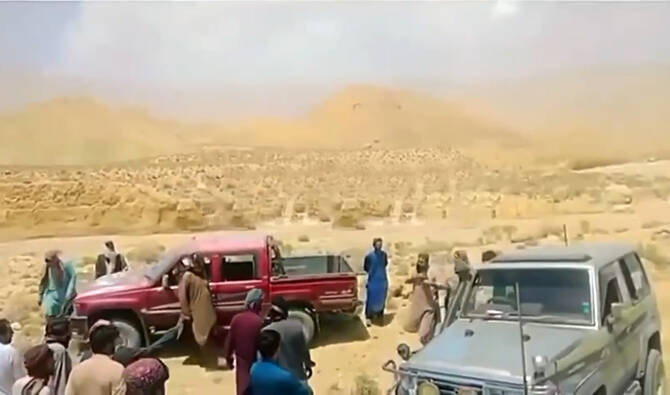
In a shocking development from Balochistan, Pakistan has arrested at least 13 individuals, including a tribal leader, following the viral circulation of a disturbing video showing the brutal killing of a couple. The video, which has ignited national outrage, has brought attention to yet another tragic case of “honour killing,” a practice that continues to plague the region. The police have launched an investigation and are expected to make additional arrests in the coming days.
The arrests were made after a video depicting the cold-blooded murders of Bano Bibi and her husband, Ehsan Ullah, began circulating on social media. The couple, believed to have been killed in May near Quetta, Balochistan’s provincial capital, were reportedly targeted by their tribe for engaging in an alleged “immoral relationship.” The video shows the couple being executed by a group of armed men in a deserted area, with Bano forced to stand before the murderers as bullets were sprayed at their motionless bodies.
The first information report (FIR), filed on Monday, names eight primary suspects and 15 others involved in the killings. The police have also identified Bano’s brother as a key suspect, though he remains at large. Authorities have promised further investigations, and more arrests are expected.
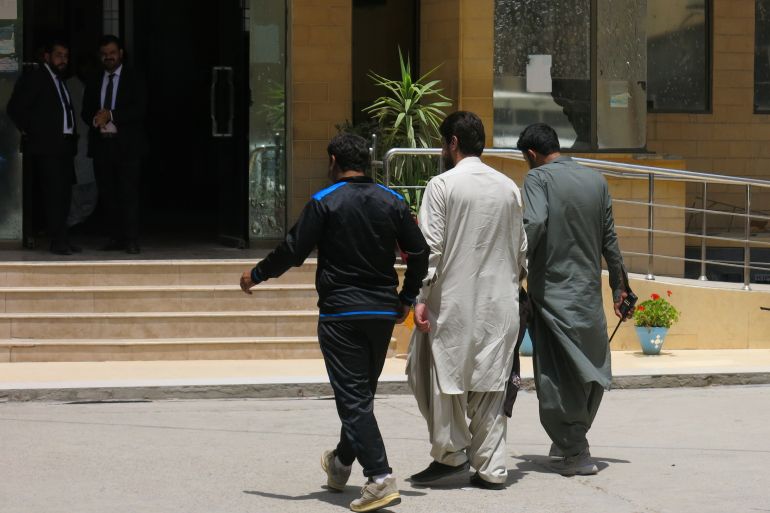
Source “aljazeera.com”
This grisly act has drawn widespread condemnation, with rights groups criticizing the longstanding issue of honour killings in Pakistan. These killings, often motivated by perceived dishonour to family or tribe, have tragically been common in regions like Balochistan. The human rights group Sustainable Social Development Organisation (SSDO) reported over 32,000 gender-based violence cases in Pakistan in 2024, including 547 honour killings. Despite this, very few perpetrators are brought to justice.
Harris Khalique, General Secretary of the Human Rights Commission of Pakistan (HRCP), labeled the ongoing practice as “the tyranny of medieval practices,” emphasizing the role of tribal leaders in perpetuating these acts of violence. He also highlighted the government’s complicity in protecting these feudal structures, which continue to dominate the region and perpetuate gender-based violence.
Balochistan, already dealing with conflict between the government and ethnic Baloch separatists, has seen a disturbing rise in the abuse and killing of women, often in the name of tradition and tribal authority. Activist Sammi Deen Baloch criticized the state’s inaction and its role in enabling this violence, particularly in the absence of strong legal enforcement. She argued that the government’s failure to act unless forced by public outrage—such as the viral video in this case—reflects a larger systemic problem where Baloch women remain “expendable” under both tribal and state-backed oppression.
As the investigation continues, the tragedy has once again exposed the deep-rooted issues surrounding honor killings and the plight of women in Balochistan, as well as the broader struggle for justice in the region.