Pakistan Moves to End Afghan Refugee Burden Amid Rising Border Tensions
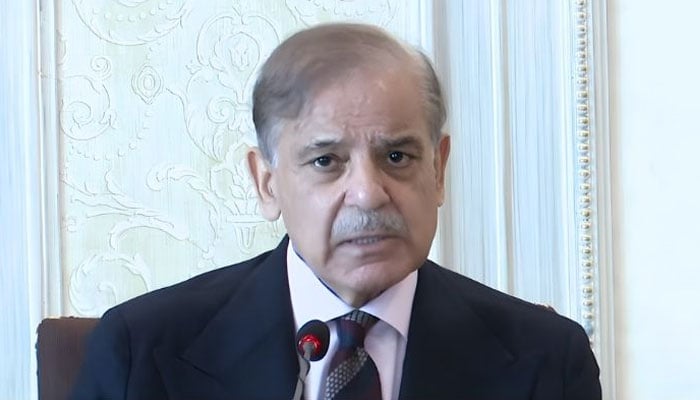
Amid escalating border tensions and increasing terror attacks, Prime Minister Shehbaz Sharif announced on Friday that Pakistan could no longer bear the responsibility of hosting Afghan refugees. He directed authorities to expedite their repatriation, as the country faces mounting security challenges due to the use of Afghan soil by terrorist groups.
The statement came during a high-level meeting in Islamabad focused on the repatriation process of Afghan nationals. Prime Minister Sharif reaffirmed Pakistan’s commitment to regional peace but expressed deep concern over the decades of instability caused by the ongoing conflict in Afghanistan. He lamented the significant toll Pakistan had paid, in terms of both lives lost and economic damages, during the war on terror.
Pakistan’s Efforts in Regional Peace and Security
During the meeting, attended by senior officials including military leadership and provincial ministers, PM Sharif emphasized the sacrifices made by Pakistan in combating terrorism. He cited the loss of thousands of lives and the economic strain caused by continued conflict. Despite multiple diplomatic efforts, including several visits by Pakistani officials to Kabul, the Afghan authorities have failed to stop terrorist groups, such as the Tehreek-e-Taliban Pakistan (TTP), from using Afghanistan as a base for launching attacks on Pakistani territory.
PM Sharif paid tribute to the Pakistani armed forces for successfully repelling the recent cross-border attacks, praising the leadership of Field Marshal Syed Asim Munir for the military’s strong response. He underscored that the people of Pakistan, who had sacrificed so much, now demand that the burden of hosting Afghan refugees be brought to an end.
Repatriation of Afghan Nationals
As of October 16, over 1.47 million Afghan refugees have been repatriated to Afghanistan, according to officials briefed at the high-level meeting. This marks a significant milestone in Pakistan’s efforts to address the growing pressure from its population to resolve the issue. The government has announced that no further extensions will be granted for Afghan refugees, and only those with valid Pakistani visas will be allowed to stay in the country.
Pakistan’s repatriation process has been carried out in phases, with enhanced exit points to facilitate a smoother return for Afghan nationals. The meeting stressed that hosting undocumented Afghans or allowing them to stay in guesthouses would be considered a punishable offense.
Special Considerations for Vulnerable Groups
Prime Minister Sharif directed that the repatriation process be carried out in a respectful manner, particularly for vulnerable groups such as elderly individuals, women, children, and minorities. He urged provincial governments to collaborate with the federal government to ensure a dignified and timely repatriation of Afghan refugees.
The meeting also acknowledged the support provided by provincial governments in implementing the national policy on refugee repatriation. PM Sharif emphasized the need for collective efforts to bring about a solution that would ease the growing strain on Pakistan’s resources and security.
Rising Border Tensions and Terrorism Threats
The decision to expedite the repatriation of Afghan refugees comes at a time of rising cross-border terrorism. Since the Taliban took control of Afghanistan in 2021, Pakistan has witnessed a surge in terrorist attacks, particularly in the bordering provinces of Khyber Pakhtunkhwa (KP) and Balochistan. The porous 2,500-kilometer-long border between the two countries remains a key area of concern, both for regional trade and security.
Pakistan has long urged Afghanistan to take action against terrorist groups operating from its soil, including the TTP. A report submitted to the United Nations Security Council (UNSC) by the Analytical Support and Sanctions Monitoring Team has highlighted a troubling connection between the Afghan government and the TTP, with the former allegedly providing operational and logistical support to the militant group.
The Long-standing Refugee Issue
Pakistan has been hosting Afghan refugees for over four decades, beginning with the Soviet invasion of Afghanistan in the 1980s, and continuing through the various phases of instability and the Taliban’s return to power in 2021. The refugee crisis has grown over time, with some refugees having spent their entire lives in Pakistan, while others are still waiting for relocation to third countries.
The crackdown on undocumented Afghan nationals began in 2023, with more than 554,000 Afghans repatriated as part of Pakistan’s Illegal Foreigners Repatriation Plan. The return of Afghan refugees has intensified since August, with Pakistan focusing on enforcing stricter immigration controls to manage the growing population.
Conclusion
With the repatriation of Afghan refugees now at the forefront of Pakistan’s domestic and diplomatic agenda, the government is under increasing pressure to find a sustainable solution to the ongoing border issues with Afghanistan. While Pakistan remains committed to regional peace, the escalating security concerns, particularly the rise of terrorism, are forcing the government to take firm actions to safeguard the country’s stability.
This move by the Pakistani government marks a turning point in the long-standing refugee crisis and border tensions with Afghanistan. It remains to be seen how both nations will address the root causes of these tensions and whether lasting peace can be achieved.