Pakistan Presses Taliban on Terrorist Groups in Afghanistan During Key Talks
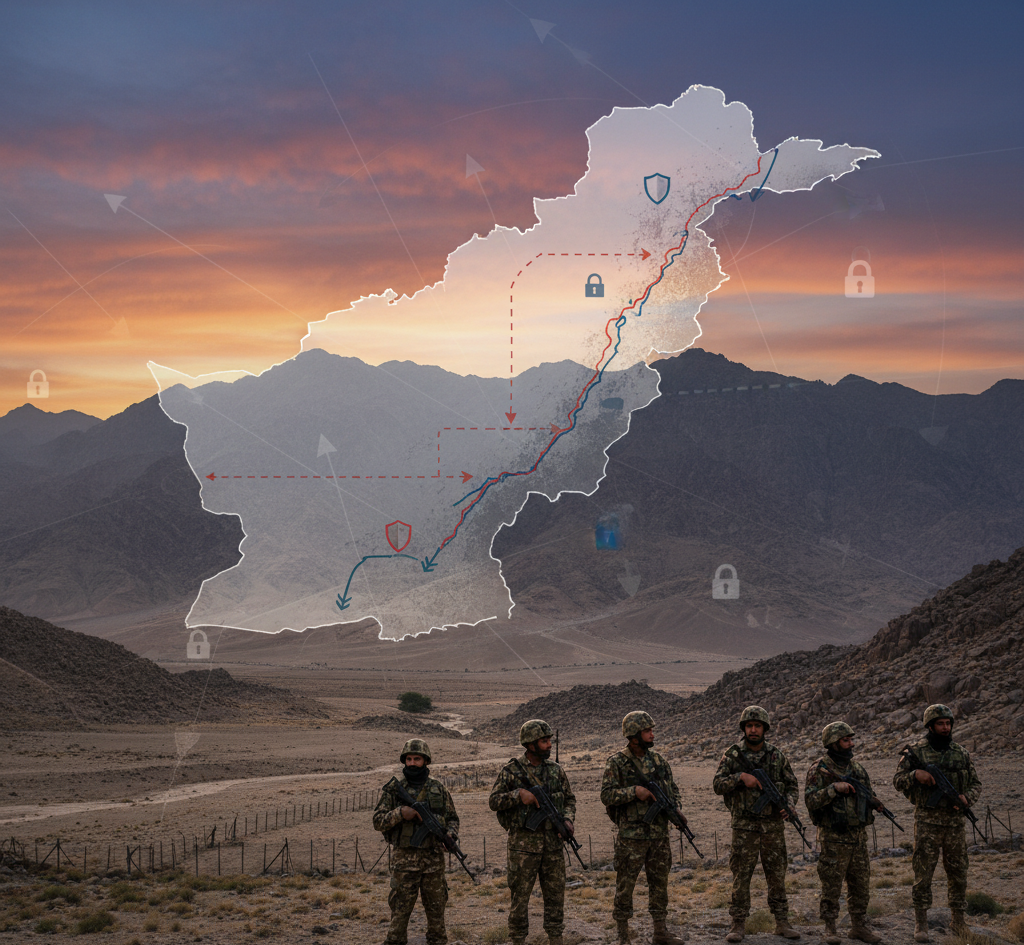
ISLAMABAD, Pakistan — In a significant development, Pakistan has confirmed that the Afghan Taliban regime has acknowledged the presence of banned terrorist organizations, including the Tehreek-e-Taliban Pakistan (TTP), on Afghan soil. The revelation came during a recent round of talks between the two countries.
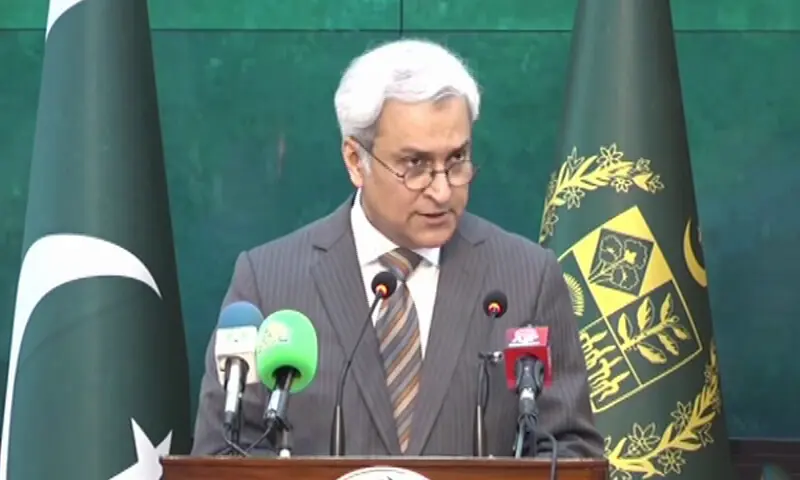
At a press briefing on Friday, Pakistan’s Foreign Office spokesperson, Tahir Hussain Andrabi, shared that Afghan officials had justified their inaction regarding these groups despite confirming their presence in Afghanistan. This admission is seen as a major point of contention, as it reinforces Pakistan’s security concerns due to the continued cross-border militancy.
Terrorism and Border Security: Central Issues in Diplomatic Talks
Andrabi emphasized that, while the ongoing dialogue is highly sensitive, Pakistan maintains the right to withhold minute details of the discussions. He remarked that complex negotiations demand patience, underscoring that the next round of talks, scheduled for November 6, would shed more light on the issues at hand.
“The presence of these terrorist elements in Afghanistan is a critical concern for Pakistan,” Andrabi said, noting that the country’s leadership is working carefully to address the growing security challenges. He clarified that the recent statement from the host country, Turkey, following the Istanbul talks, was merely a general outline and did not provide a full account of the discussions.
Istanbul Talks: Focus on Ceasefire and Future Cooperation
The talks, which took place from October 25 to 30 in Istanbul, were facilitated by Turkey and Qatar. The key issue discussed was the maintenance of a ceasefire between Pakistan and the Afghan Taliban. The two sides agreed to uphold the truce, with further deliberations on the ceasefire mechanism set for the next high-level meeting.
Andrabi confirmed that the ceasefire agreement remains intact and that both sides have committed to establishing a monitoring and verification system to ensure its enforcement. He expressed hope that the truce would be fully respected, ensuring peace in the region.
The discussions also touched on broader issues of cooperation between Pakistan and Afghanistan, particularly in the context of counterterrorism efforts and regional stability. Andrabi emphasized that high-level representation from Pakistan is expected at the next phase of talks, although no final decisions have been made regarding the delegation’s leadership.
Pakistan’s Stance on Border and Security Measures
In response to ongoing security assessments, the spokesperson reiterated that the border with Afghanistan would remain closed until further notice. The decision was based on thorough evaluations of the current security situation, which continues to be a significant concern for Pakistan.
Andrabi also clarified that any decisions regarding war or peace would be made by Pakistan’s Prime Minister, who is advised by the Foreign Office, ensuring unified decision-making at the highest level. The Deputy Prime Minister and foreign secretary have been actively involved in the negotiation process, reinforcing the government’s commitment to addressing these pressing issues.
Looking Ahead: A Delicate Path to Peace
As both countries work toward a sustainable peace agreement, the next round of talks in November will be pivotal in resolving the complex issues surrounding militancy, border security, and mutual cooperation. Pakistan remains cautious yet optimistic, hoping that the discussions will lead to positive outcomes for regional stability and the security of both nations.
In the coming weeks, more details are expected to emerge, providing a clearer picture of the future direction of Pakistan-Afghanistan relations and the broader geopolitical landscape in South Asia.