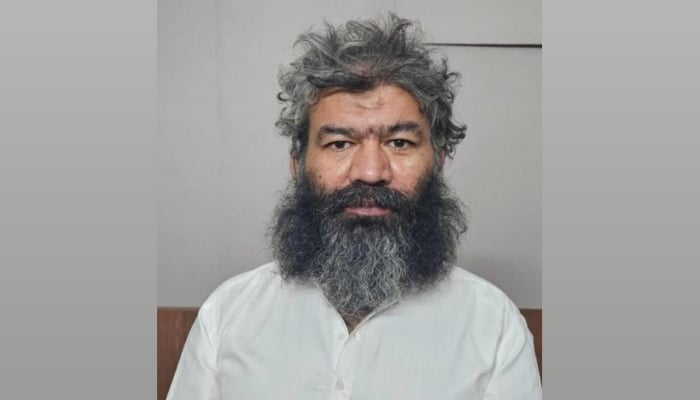
Pakistan’s intelligence agencies have detained a senior figure of the Daesh-Khorasan (Daesh-K) militant network, delivering a major blow to the group’s regional propaganda and recruitment operations, according to a United Nations report.
The arrest of Sultan Aziz Azam, identified as Daesh-K’s official spokesperson and the founder of its media wing, was confirmed in the 16th report of the UN Analytical Support and Sanctions Monitoring Team. The report states that Azam was apprehended on May 16, 2025, during an intelligence-led operation inside Pakistan.
Azam is described as a central architect of Daesh-K’s information warfare strategy. He established Al-Azaim, the group’s media arm responsible for producing and distributing extremist content aimed at recruitment, ideological indoctrination, and operational messaging. His role placed him at the core of the organisation’s ability to project influence beyond conflict zones.

Source: Online
According to the UN sanctions report, Azam’s arrest resulted in the near-total suspension of Daesh-K’s media output. Key propaganda channels, including Voice of Khorasan, ceased operations following his detention, severely disrupting the group’s communication network.
The report further assesses that Pakistan’s counterterrorism actions have contributed to a wider deterioration of Daesh-K’s organisational strength at the global level. Multiple planned attacks were prevented, fighter numbers declined, and several senior commanders and ideological figures were neutralised during the same period.
In addition to Azam, the arrest of senior leader Abu Yasir al-Turki is cited as another critical setback for the group. Together, these actions significantly reduced Daesh-K’s operational capability and coordination, limiting its ability to conduct and inspire attacks.
Background details included in the report indicate that Sultan Aziz Azam previously served as an adviser to Afghanistan’s Nangarhar provincial council before becoming deeply involved in Daesh-K’s media operations, highlighting his transition from political engagement to militant propaganda leadership.
The UN document also draws attention to ongoing cross-border security concerns, noting that most recent attacks inside Pakistan have been carried out by the banned Tehreek-e-Taliban Pakistan (TTP) operating from Afghan territory. These activities were described as posing the “greatest short-term threat” to regional stability.
Overall, the UN assessment credits Pakistan’s recent counterterrorism measures with substantially weakening Daesh-K’s ability to operate, communicate, and expand, marking a significant development in regional and global efforts against extremist networks.