WWF-Pakistan has raised concerns over the spread of an Invasive Alien Fish species in Pakistan’s natural water bodies, warning that it poses a serious threat to aquatic biodiversity and the country’s fisheries sector.
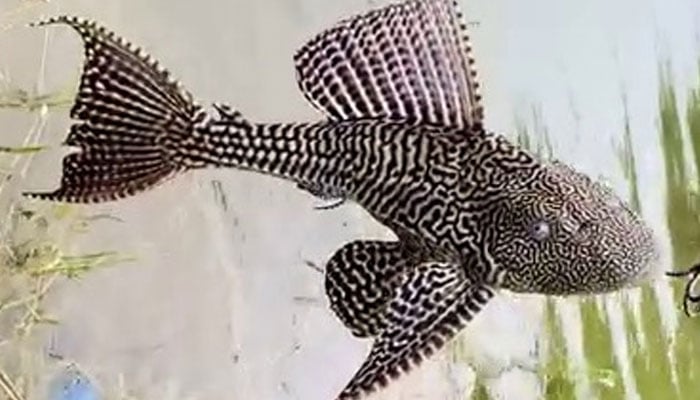
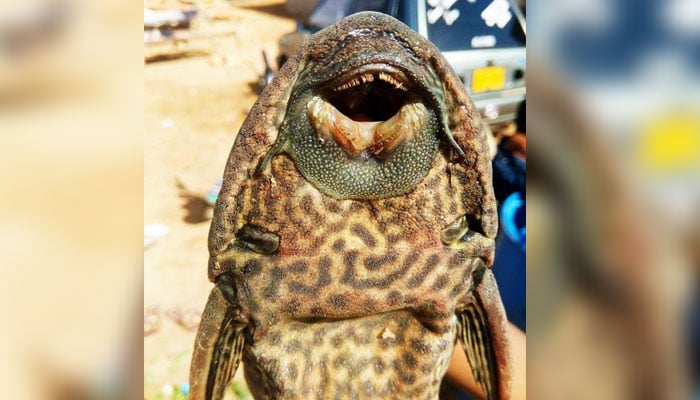
The alarm was triggered after an unusual fish was brought to Karachi Fish Harbour on January 4 from a dhand near Sukkur. According to WWF-Pakistan, the species was later identified as the Amazon sailfin catfish — an exotic fish native to Latin America that has now been detected in Sindh and parts of Lower Punjab.
The Amazon sailfin catfish is characterised by its thick, armoured body covered with hard bony plates. Widely traded globally as an aquarium fish, the species is known for its aggressive adaptability and ability to dominate new ecosystems. WWF-Pakistan warned that the fish has already spread extensively in Pakistan, making eradication or effective control virtually impossible.
Environmental experts say the species is among at least 26 invasive fish introduced into Pakistan either deliberately or accidentally. These species have disrupted fragile aquatic ecosystems by competing with native fish for food and habitat, preying on indigenous species, introducing diseases, and altering water quality.
WWF-Pakistan noted that invasive fish are a major driver of biodiversity loss, economic damage to fisheries, and long-term ecosystem degradation. Their presence can increase water turbidity, reduce native fish populations, and significantly affect commercial fishing yields.
Pakistan has a long history of introducing exotic fish species, beginning in 1928 with brown trout and rainbow trout in parts of Khyber Pakhtunkhwa. In the 1960s, species such as Mozambique tilapia, common carp, goldfish, and grass carp were introduced to boost fish production and control aquatic weeds. However, many of these species became invasive and negatively impacted local fish populations.
Further introductions followed in the 1980s, including silver carp, bighead carp, Nile tilapia, and blue tilapia, primarily to support aquaculture. Over time, these species established themselves in natural ecosystems, often at the expense of indigenous fauna and flora.
The organisation highlighted the devastating impact of tilapia introductions, particularly in major water bodies such as Manchar and Keenjhar lakes, where fish production declined sharply. The unchecked spread of tilapia led to serious socio-economic consequences for local fishing communities.
In recent decades, several catfish species — including North African catfish, walking catfish, magur catfish, and channel catfish — have also been introduced and are now spreading rapidly, further threatening native fish species.
WWF-Pakistan stressed that, beyond aquaculture-driven introductions, poor regulation of the aquarium trade has contributed to the release of species like the Amazon sailfin catfish, guppies, and mollies into natural waters. These fish are now causing widespread ecological disruption, particularly near urban centres.
The organisation urged stronger controls on the introduction and management of exotic species to protect Pakistan’s already vulnerable aquatic ecosystems.