Table of Contents
- US Announces Transition to Phase Two
- Objectives of the New Gaza Phase
- Hamas Demilitarisation Strategy
- Technocratic Governance Plan
- Role of Egypt and Regional Mediation
- Ongoing Ceasefire Challenges
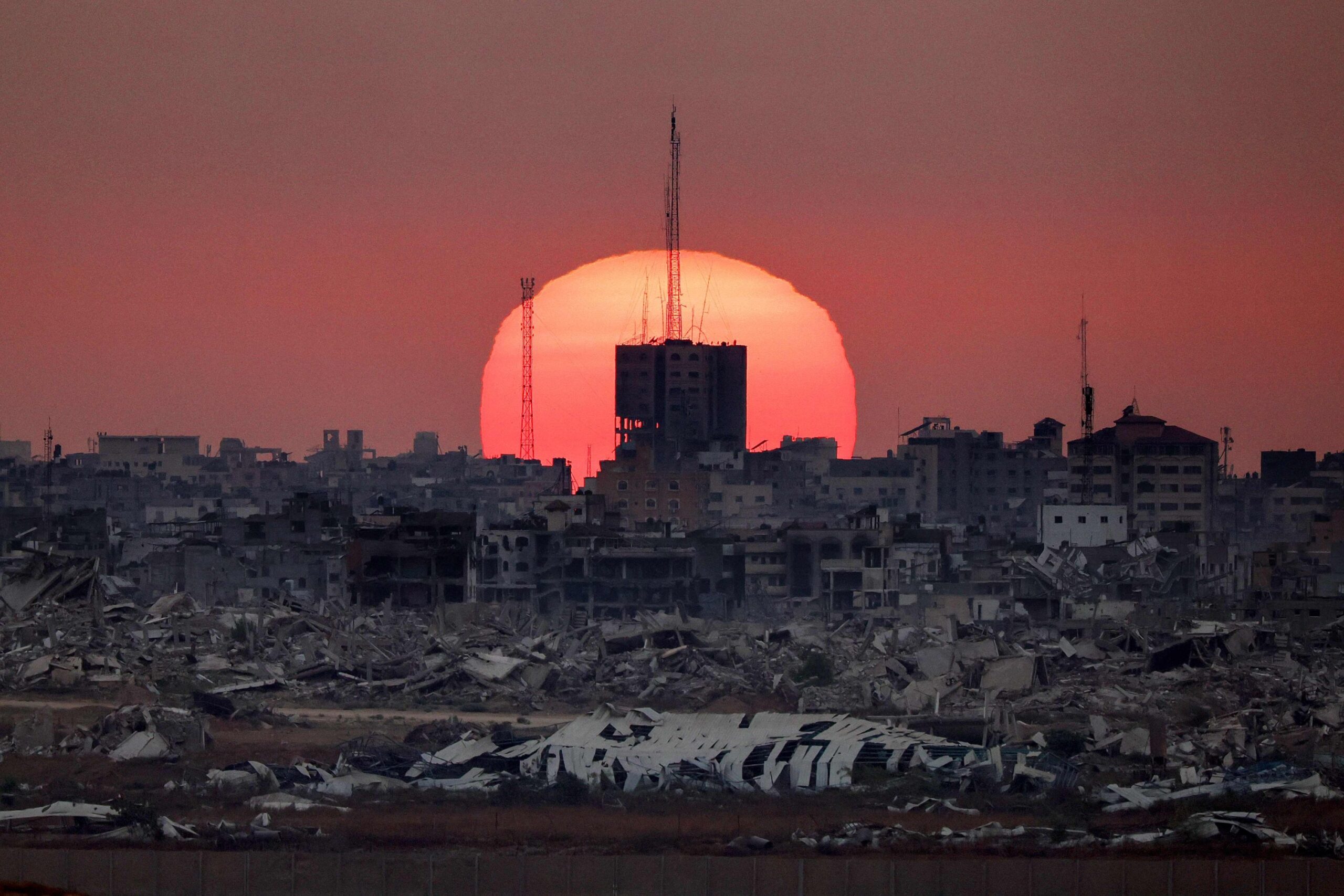
Gaza phase two has officially begun, according to the United States, as Washington shifts its strategy from enforcing a ceasefire toward the demilitarisation of Hamas and the establishment of post-war governance in the besieged Palestinian territory.
US President Donald Trump’s Middle East envoy, Steve Witkoff, announced the transition on Wednesday, outlining the next stage of what he described as the administration’s “20-Point Plan to End the Gaza Conflict.”
US Announces Transition to Phase Two
In a public statement posted on social media platform X, Witkoff said the new phase marks a strategic move beyond ceasefire enforcement. The announcement comes despite reports of Israeli military strikes during the ceasefire period, raising questions about the durability of the truce.
“We are launching Phase Two of the President’s plan, moving from ceasefire to demilitarisation, technocratic governance, and reconstruction,” Witkoff said.
Objectives of the New Gaza Phase (Gaza Phase Two)
According to US officials, Phase Two aims to address the underlying drivers of the conflict by dismantling Hamas’ military capabilities while laying the groundwork for political and economic recovery in Gaza.
Washington has framed the approach as a comprehensive pathway designed to prevent future hostilities by combining security measures with governance reforms and international reconstruction support.
Hamas Demilitarisation Strategy
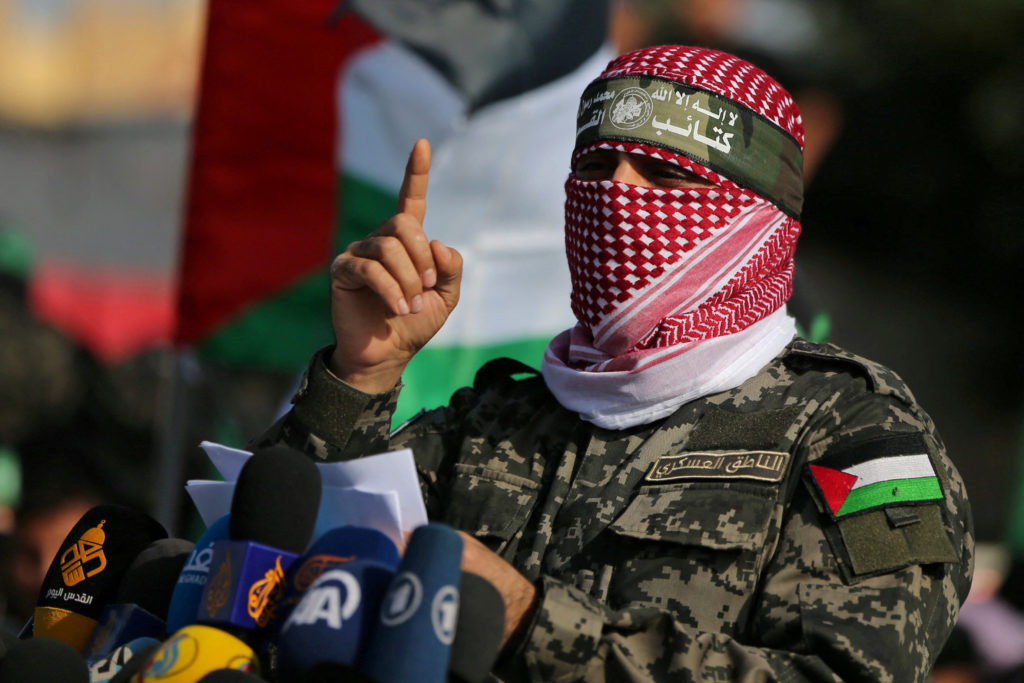
Central to the plan is the demilitarisation of Hamas, which the United States and Israel designate as a terrorist organisation. US officials argue that lasting peace in Gaza is impossible without the removal of armed groups capable of launching attacks on Israel.
Details on how demilitarisation would be implemented have not been fully disclosed, but the proposal is expected to rely heavily on regional mediation, security guarantees, and international oversight.
Technocratic Governance Plan
The second phase also envisions a shift away from factional rule toward technocratic administration. Egypt, a key US ally and long-standing mediator in Gaza-related negotiations, announced earlier on Wednesday the formation of a 15-member Palestinian technocratic committee.
This committee is expected to oversee the administration of Gaza Phase two during the post-war period, focusing on essential services, governance continuity, and coordination with international donors for reconstruction efforts.
Role of Egypt and Regional Mediation
Egypt’s involvement underscores its central role as a mediator between Israel, Hamas, and international stakeholders. Cairo has historically brokered ceasefires in Gaza and is seen as a crucial player in any long-term settlement framework.
US officials have indicated that coordination with Egypt and other regional partners will be vital to ensuring the success of Phase Two, particularly in maintaining stability during the transition period.
Ongoing Ceasefire Challenges
The announcement comes amid continued uncertainty on the ground, with reports of Israeli strikes highlighting the fragility of the ceasefire. Analysts warn that without broad buy-in from all parties, the shift to demilitarisation and governance reform could face significant obstacles.
As Gaza moves into this next phase, the success of the plan will depend on sustained diplomatic engagement, security coordination, and international financial support for reconstruction.