Table of Contents
Full News Article
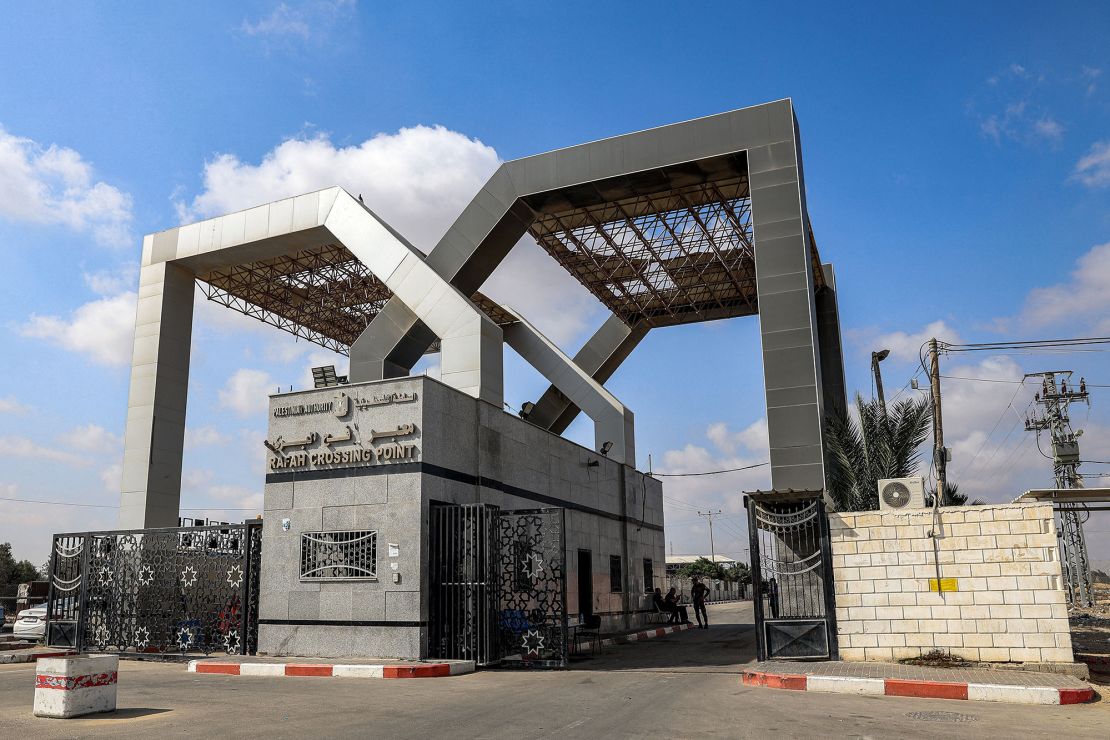
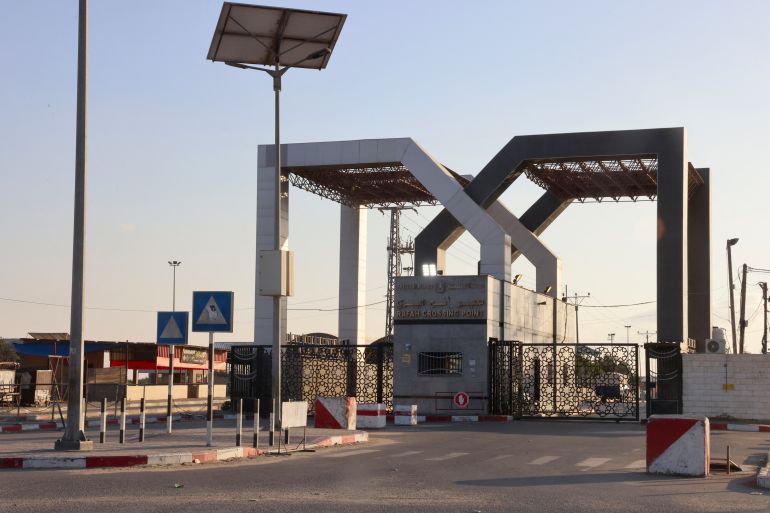
Rafah Crossing between Egypt and the Gaza Strip is set to reopen in both directions next week, marking a significant development for the besieged Palestinian territory. Gaza’s newly appointed administrator made the announcement during the launch of US President Donald Trump’s Board of Peace at the World Economic Forum in Davos.
Rafah Crossing Reopening Announced
Ali Shaath, a former Palestinian Authority deputy minister who has been appointed to oversee Gaza’s interim administration, confirmed that the border crossing would resume full two-way movement.
“I am pleased to announce the Rafah crossing will open next week in both directions,” Shaath said while addressing the gathering in Switzerland.
Source: Al Jazeera
Statement at World Economic Forum
The announcement came on the sidelines of the World Economic Forum, where global leaders convened to discuss economic stability, security, and international cooperation. The reopening of Rafah was presented as part of broader efforts linked to a truce framework for Gaza and regional de-escalation.
Shaath’s remarks coincided with the formal launch of Trump’s Board of Peace, an initiative aimed at facilitating a lasting settlement and post-war recovery plan for Gaza.
Significance of Rafah for Gaza
Highlighting the crossing’s symbolic and practical importance, Shaath said Rafah represents far more than a physical border for Palestinians.
“For Palestinians in Gaza, Rafah is more than a gate — it is a lifeline and a symbol of opportunity,” he said. “Opening Rafah signals that Gaza is no longer closed to the future and the world.”
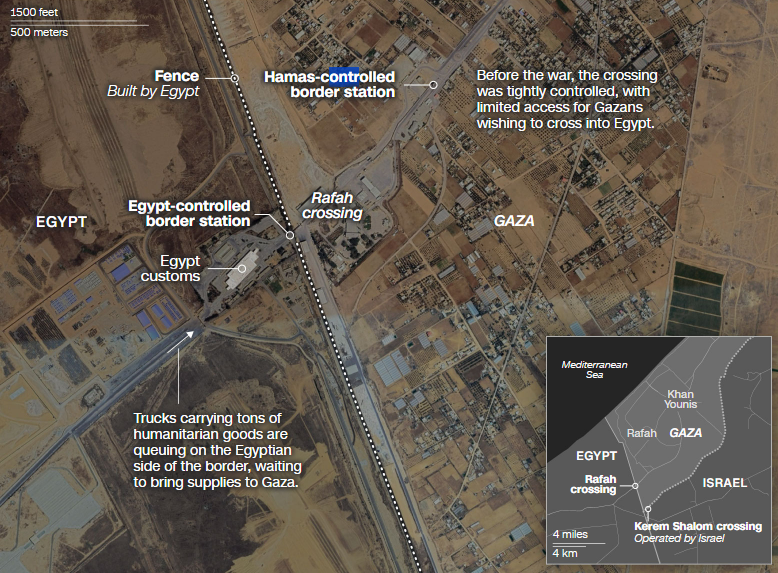
The Rafah Crossing has long served as Gaza’s only gateway to the outside world not controlled by Israel, playing a crucial role in humanitarian access, medical evacuations, and civilian travel.
Source: CNN
New Gaza Administration Framework
As part of the broader truce plan under discussion, veteran Palestinian figure Shaath has been appointed as the head of a newly formed 15-member administrative committee made up primarily of Palestinian technocrats. The committee is intended to function as an interim governing body for the Gaza Strip during a transitional phase, filling the administrative vacuum while political negotiations over Gaza’s long-term future continue.
According to sources familiar with the framework, the committee’s mandate will include overseeing Gaza’s day-to-day governance, ensuring the continuity of essential public services, and stabilizing civil administration after months of disruption. Its responsibilities are expected to span multiple sectors, including municipal management, public utilities, health services, and coordination with humanitarian agencies operating in the enclave.
In addition to civil administration, the technocratic body is also tasked with managing humanitarian coordination and planning for large-scale reconstruction. This includes facilitating aid delivery, coordinating with international donors, and preparing assessments for rebuilding damaged infrastructure, homes, and public facilities. The committee is designed to operate independently of factional politics, with its technocratic makeup aimed at boosting credibility and efficiency during the sensitive transition period.
Broader Truce and Governance Context
Observers say the reopening of Rafah could ease humanitarian pressure on Gaza’s population and restore limited mobility after prolonged closures. However, analysts caution that sustained access will depend on security arrangements and continued political cooperation between regional and international stakeholders.
The move is being closely watched as an early indicator of whether diplomatic efforts surrounding Gaza’s future can translate into tangible changes on the ground.