Table of Contents
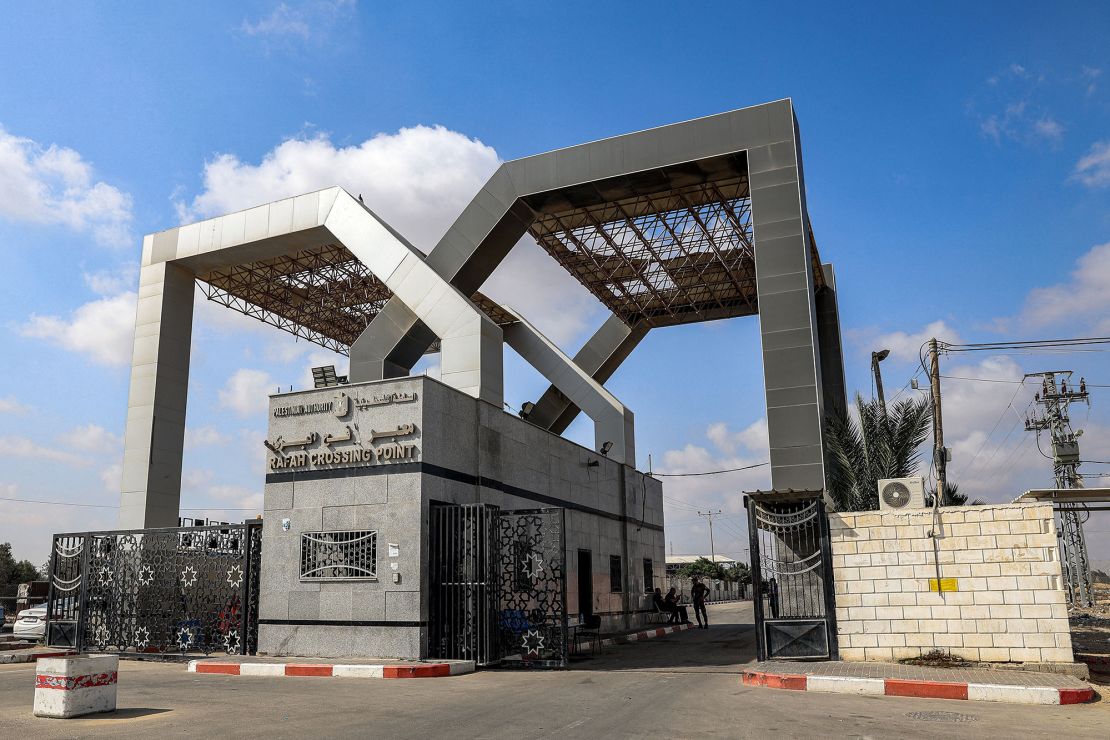
Rafah crossing reopens under strict limitations as Egyptian authorities began a carefully controlled first phase of border operations between the Gaza Strip and Egypt, allowing a small number of people to cross in each direction.
According to Egyptian state-linked media, only 50 individuals will be permitted to travel from Egypt into Gaza and another 50 from Gaza into Egypt during the initial days of the reopening. The measured approach reflects ongoing security concerns and the fragile humanitarian situation surrounding the besieged Palestinian enclave.
Initial Phase of Rafah Crossing Reopens
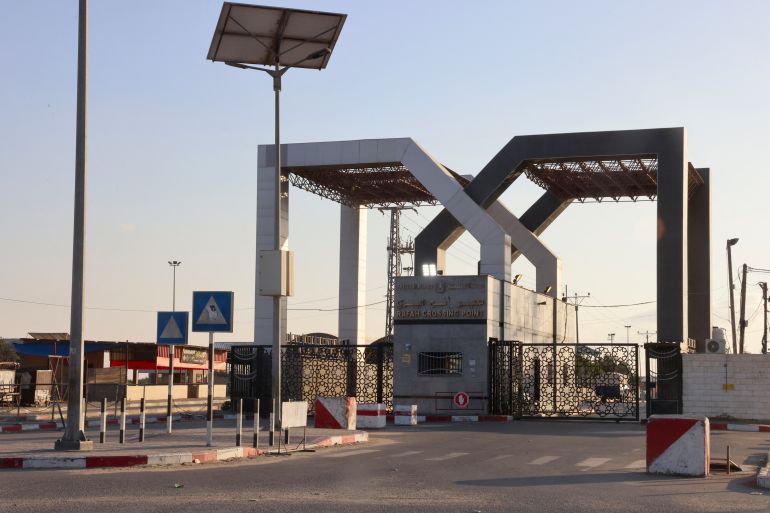
AlQahera News, a broadcaster affiliated with Egyptian state intelligence, reported on Monday that the reopening would begin with tightly regulated movement. Citing an unnamed official source, the outlet said the limited flow is intended to test border operations before any potential expansion.
Source: Al Jazeera
The Rafah crossing is Gaza’s sole gateway to the outside world that is not controlled by Israel, making its operation highly sensitive both politically and logistically. Egyptian authorities have repeatedly emphasized that any reopening would be gradual and subject to ongoing security assessments.
Movement Limits Explained
Under the current plan, the number of travelers will be capped at 100 people per day in total, evenly split between both directions. Officials have not yet disclosed detailed criteria for who will be allowed to cross, but previous crossings have prioritized humanitarian cases, including medical patients, aid workers, and individuals with foreign residency or documentation.
The limited scale underscores that the reopening is not a full resumption of normal border activity but a controlled step aimed at easing pressure without triggering large-scale population movement.
Border Situation on Day One
A source at the Rafah border told AFP that a few dozen people had already arrived on the Egyptian side on Monday, awaiting clearance to enter Gaza. The scene highlighted both the urgency felt by those seeking to cross and the cautious pace adopted by authorities.
Eyewitnesses described heavy security presence and extensive checks as officials worked to implement the reopening procedures. No timeline has yet been announced for increasing the daily crossing quota.
Egypt’s Role in Border Management
Egypt has positioned itself as a key mediator and humanitarian gatekeeper throughout the Gaza conflict. Cairo has repeatedly stated that it supports humanitarian access while rejecting any move that could lead to the permanent displacement of Palestinians into Egyptian territory.
The Rafah crossing reopens phased aligns with Egypt’s broader diplomatic stance, balancing regional stability, border security, and international pressure to alleviate Gaza’s humanitarian crisis.
Humanitarian Context in Gaza
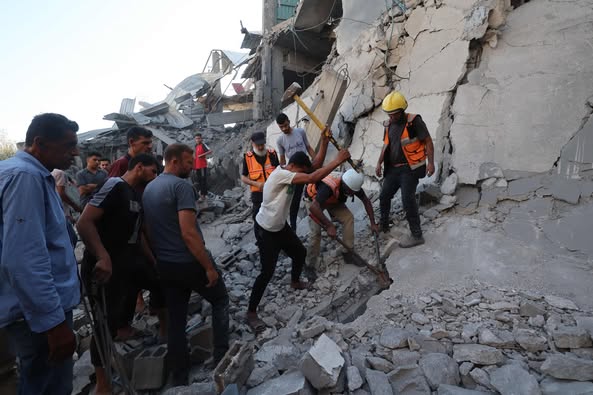
Gaza remains under severe strain after months of conflict, with shortages of medical supplies, fuel, and basic necessities. Aid agencies have long argued that broader access through Rafah is essential to prevent further deterioration of living conditions.
However, humanitarian groups caution that the current numbers are far below what is required to meet urgent needs, particularly for patients requiring treatment abroad.
What to Expect Next
Officials have indicated that the limited crossings could be reviewed in the coming days depending on security developments and operational assessments. Any expansion would likely require coordination with multiple regional and international stakeholders.
For now, as the Rafah crossing reopens, the modest movement reflects both the sensitivity of the border and the complexity of balancing humanitarian access with regional security concerns.