Table of Contents
7. Full Nes Article
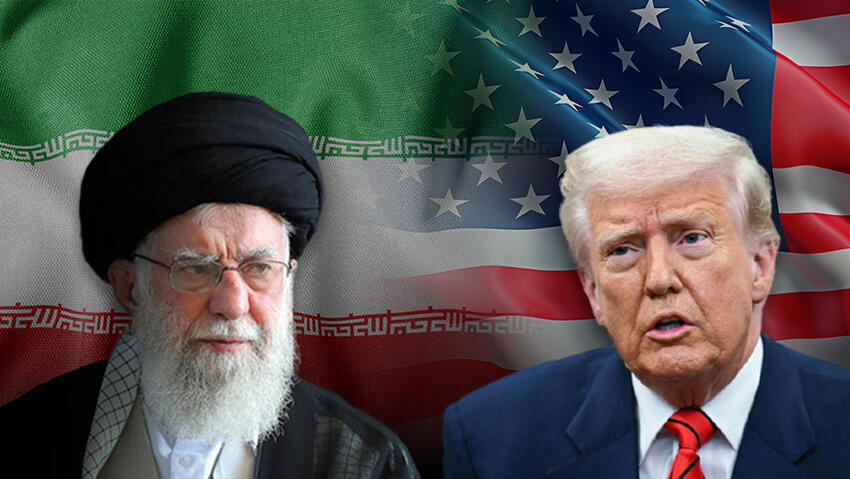
US sanctions on Iran have been significantly expanded, with Washington announcing a new round of punitive measures targeting companies and individuals operating in the United Arab Emirates and Turkiye accused of supporting Tehran’s weapons programmes and illicit oil trade.
According to official statements, the measures were announced by the US State Department and the US Department of the Treasury, marking one of the most sweeping enforcement actions in recent months.
Scope of New US Sanctions
The sanctions focus on a network of entities based in Iran, United Arab Emirates, and Turkiye. US authorities allege these networks played a role in facilitating Iran’s ballistic missile development and advanced conventional weapons procurement.
Several companies were accused of assisting Iranian defence-linked entities in sourcing sensitive components, while others were allegedly involved in logistical and financial operations designed to bypass existing international sanctions.
Networks Accused of Aiding Iran
US officials claim the sanctioned entities were part of procurement networks linked to Iranian aviation and defence organisations. These networks allegedly enabled the transfer of equipment and materials used in weapons development, in violation of US executive orders targeting proliferation activities.
While Washington has named multiple companies and individuals, there was no immediate public response from the entities listed. Several Turkish companies were also included, underscoring the international scope of the enforcement action.
Shadow Fleet and Oil Shipments
A central focus of the latest US sanctions on Iran is the country’s so-called “shadow fleet” — a network of vessels accused of covertly transporting Iranian oil and petrochemical products.
US authorities said multiple oil and liquefied petroleum gas (LPG) tankers were blacklisted for allegedly moving hundreds of millions of dollars’ worth of Iranian petroleum. These vessels are accused of operating under opaque ownership structures and frequently changing flags to evade detection.
According to the Treasury Department, revenues generated through these shipments are believed to fund Iran’s missile development programmes and support regional proxy groups.
Role of the UAE and Turkiye
The inclusion of firms operating in the UAE and Turkiye highlights the challenges faced by major regional trade and logistics hubs in enforcing sanctions compliance. Both countries host extensive shipping, energy, and financial infrastructure that connects them to global markets.
US officials allege that some companies based in these jurisdictions knowingly or unknowingly facilitated Iranian oil exports or procurement efforts. The sanctions are expected to increase scrutiny and compliance pressure on businesses operating in these regions.
Legal Basis for the Measures
The sanctions were imposed under a series of US executive orders targeting weapons proliferation and key sectors of Iran’s economy, including energy and shipping. Washington says these measures are designed to cut off revenue streams that sustain Iran’s military capabilities.
US officials emphasized that the actions are part of a broader strategy to deter activities they view as destabilising to regional and international security.
Regional and Business Impact
Analysts note that the expanded US sanctions on Iran could have ripple effects across energy markets and international shipping. Companies operating in the UAE and Turkiye may face tighter compliance requirements, enhanced due diligence obligations, and potential exposure to secondary sanctions.
As geopolitical tensions persist, the latest move signals Washington’s intent to intensify pressure on Tehran while warning regional intermediaries against facilitating sanctioned activities.