Table of Contents
Full News Article
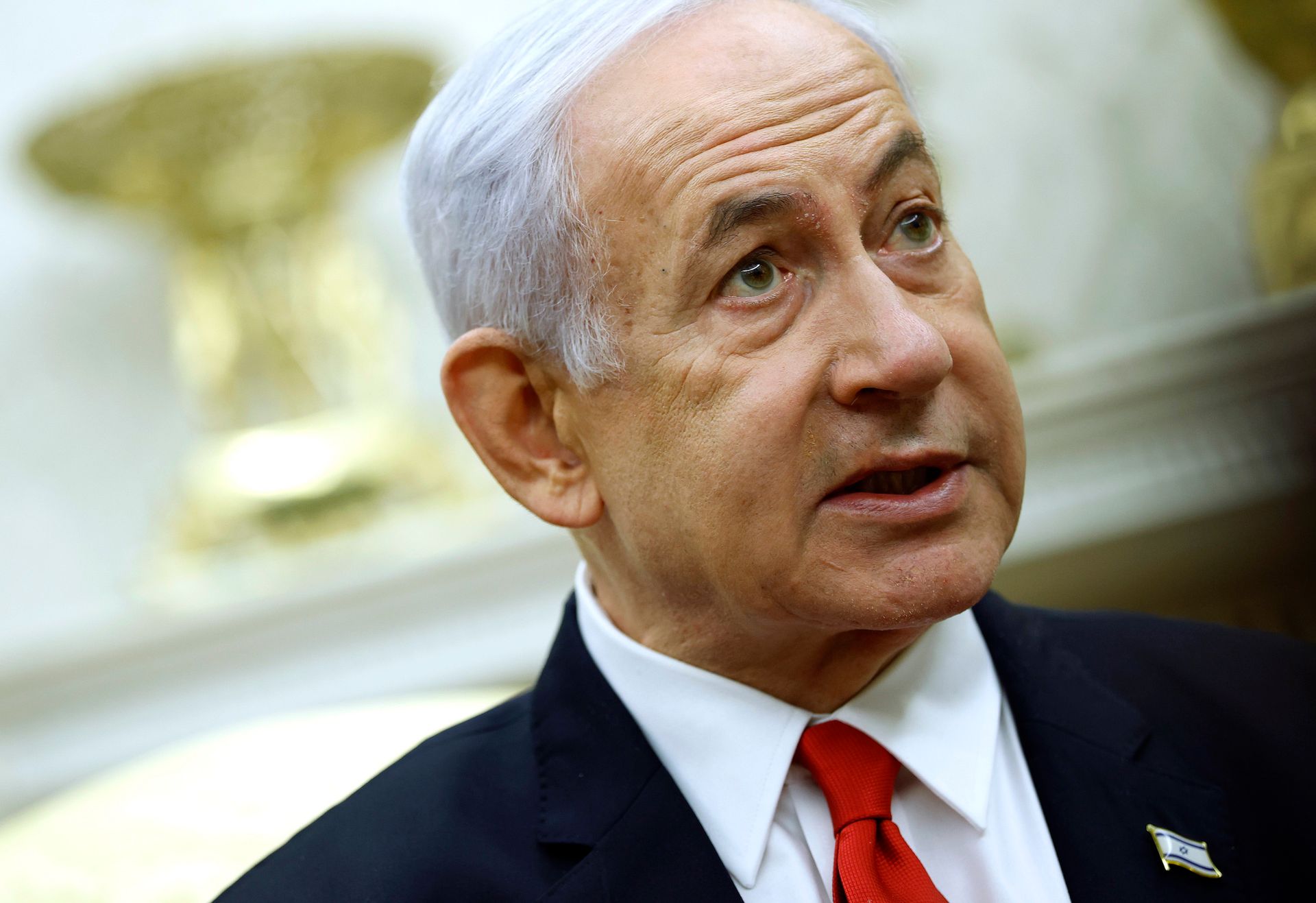
Netanyahu Death Rumors Intensify Before Video Response
The circulation of Netanyahu death rumors across social media platforms has sparked global attention after online accounts claimed the Israeli prime minister’s recent appearances were fabricated using artificial intelligence.
The speculation gained momentum following the release of a public address, which some users alleged was digitally generated. Despite the absence of credible evidence, the claims spread widely, particularly on platforms such as X.
Proof-of-Life Videos Shared Publicly
In response, Netanyahu posted consecutive videos showing him engaging with citizens and appearing in public settings. One widely viewed clip featured him outdoors, interacting with the public while emphasizing government safety guidelines.
In another video filmed at a café, he deliberately raised both hands, displaying five fingers, in what observers described as a symbolic rebuttal to claims that earlier footage contained visual anomalies.
The videos collectively surpassed millions of views and were presented as direct evidence countering the Netanyahu death rumors circulating online
JUST IN
— MAGA SPIRITS 🦅 (@Meta_BTC_) March 15, 2026
Israel’s Netanyahu Proves He’s Alive After Wild Online Rumors About His Safety 😳🔥 pic.twitter.com/OSRc86yGxA
Six-Finger Allegation and Visual Claims
The controversy initially began when users claimed that an earlier speech video showed Netanyahu with six fingers—an error commonly associated with early artificial intelligence-generated imagery.
Fact-checkers and analysts noted that lighting conditions, compression distortions, and camera angles can create optical irregularities in videos. No verified evidence supported claims of manipulation.
Despite clarifications, some users continued to question minor visual elements, including allegations that a ring appeared and disappeared in different frames.
The Rise of the “Liar’s Dividend”
Digital security experts describe this phenomenon as the “liar’s dividend.” It refers to a situation where authentic content is dismissed as fake due to the widespread presence of artificial intelligence-generated media.
Researchers warn that advanced generative tools now make it difficult for ordinary users to distinguish real footage from synthetic material. This environment can undermine trust in verified documentation, particularly during political or military tensions.
Experts emphasize that both fabricated content and legitimate videos now circulate simultaneously, increasing skepticism across audiences.
Expert Concerns Over Information Integrity
Disinformation researchers have highlighted that verifying content in real time is increasingly challenging. During conflicts, thousands of images and videos can appear online within hours, many of them edited, manipulated, or entirely synthetic.
Analysts argue that this creates an ecosystem where false claims can spread rapidly, while real footage may also face dismissal.
The Netanyahu case has become a high-profile example of how artificial intelligence can affect global discourse, demonstrating that even public appearances may require additional confirmation in the digital age.
Broader Conflict and Digital Misinformation
The debate unfolded amid heightened regional tensions, where online narratives often intersect with geopolitical developments.
Experts note that during crises, information campaigns can intensify, increasing the spread of both authentic and misleading content. In such environments, visual evidence alone may no longer be sufficient to establish credibility without corroborating sources.
Fact-checkers and independent analysts have relied on supporting images, location confirmations, and cross-platform verification to confirm authenticity of public events.
Ongoing Debate About A.I. and Trust
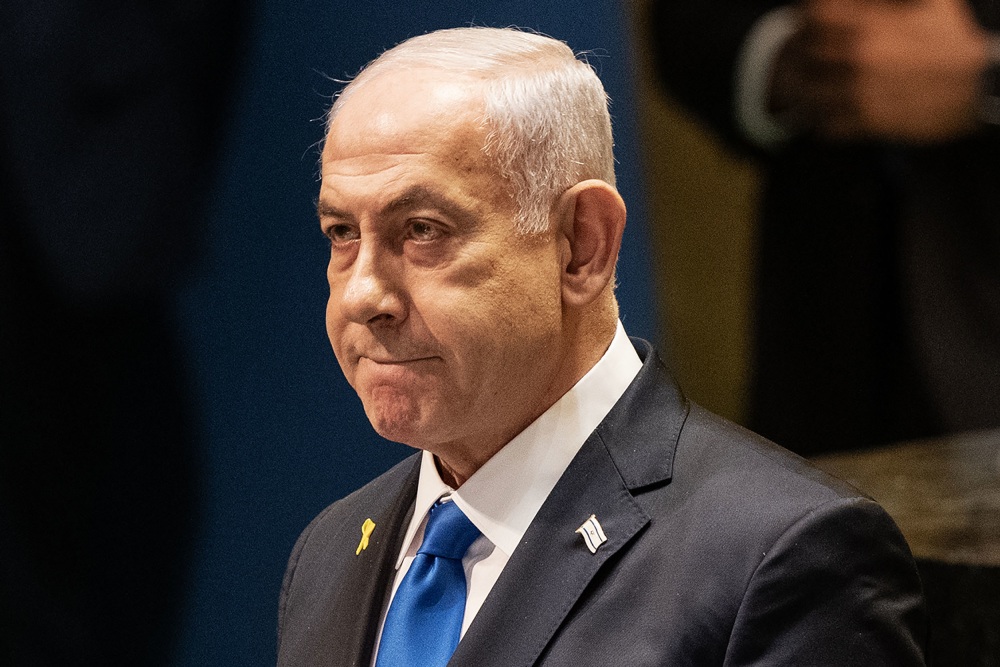
The incident underscores broader concerns about artificial intelligence and public trust. While A.I. tools can generate convincing synthetic visuals, they can also unintentionally fuel skepticism toward legitimate recordings.
Technology researchers have called for improved transparency measures from major social media platforms, especially during elections and international conflicts.
The Netanyahu death rumors episode highlights the dual challenge posed by modern generative technology: preventing deception while protecting authentic documentation.
Despite the viral rumors circulating online, there is no verified evidence supporting claims that the prime minister has died. Official videos and public appearances have contradicted the speculation. The situation highlights how quickly unverified information can spread across social media, especially during periods of political tension.
For continued coverage and breaking updates, visit Pulse Pakistan