Table of Contents
Introduction
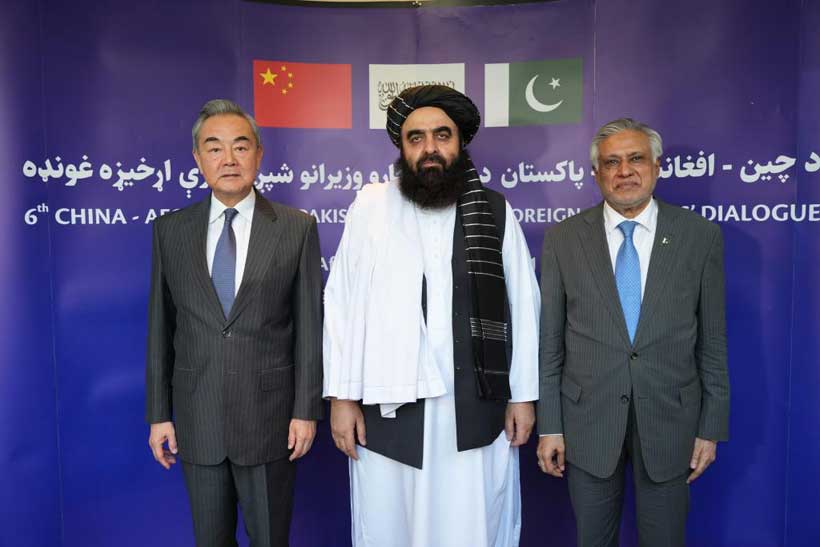
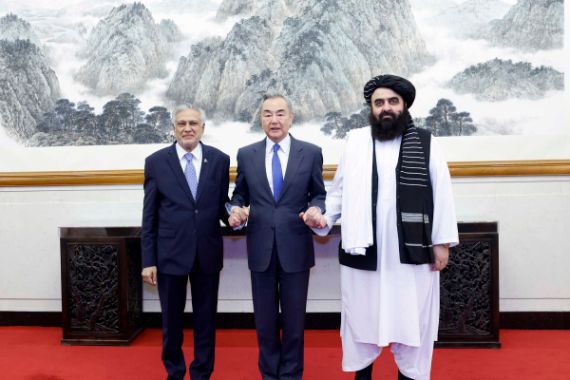
Pakistan-Afghanistan-China Talks resumed on Wednesday in Urumqi, China, bringing together officials from Islamabad, Kabul, and Beijing under the trilateral mechanism. The meeting marked a cautious step toward resuming dialogue after weeks of strained contact following cross-border incidents.
Background of the Trilateral Meeting
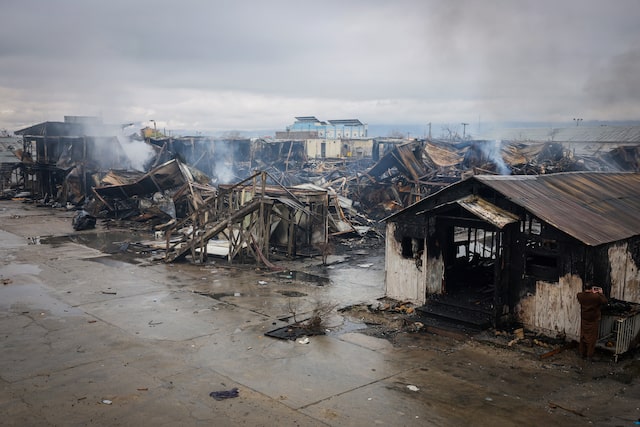
Tensions escalated after Pakistan launched Operation Ghazab lil-Haq on February 26, targeting terrorist hideouts across the Afghan border. This operation followed repeated unprovoked attacks by groups operating from Afghanistan, primarily linked to the Tehreek-i-Taliban Pakistan (TTP). Diplomatic engagement had largely stalled until China intervened to bring both sides to the table.
Key Security Discussions
The Pakistan delegation, comprising officials from the Foreign Office, military, and intelligence, expressed ongoing concerns about TTP sanctuaries inside Afghanistan. Afghan Taliban representatives acknowledged the concerns but maintained that cross-border TTP operations fell outside their direct control. China emphasized confidence-building measures as a way to reduce tensions while sustaining dialogue.
TTP and ETIM Concerns
Officials discussed mechanisms to address threats posed by the TTP and the East Turkestan Islamic Movement (ETIM). Pakistan stressed the importance of verifiable actions, while the Afghan side showed willingness to explore cooperative approaches. These discussions were exploratory, focusing on assessing the seriousness of Afghan commitments.
Economic Cooperation and Trade Routes
Beyond security, Pakistan-Afghanistan-China Talks also explored opportunities for economic collaboration. Pakistan expressed openness to reopening trade routes and enhancing cross-border commerce, signaling an intent to use economic engagement as a stabilizing factor. Analysts suggest leveraging trade could help create a foundation for long-term regional stability.
Challenges in Pakistan-Afghanistan Relations
Since the Taliban’s return to power in 2021, terrorism in Pakistan has resurged, and diplomatic appeals to dismantle terrorist sanctuaries have often gone unheeded. Temporary pauses in military operations during Eid and at the request of Saudi Arabia, Qatar, and Turkey highlight the delicate regional balancing act. Pakistani military leadership has reiterated that sustainable peace requires the Taliban to renounce support for terrorist organizations.
Future Prospects
While core disagreements persist, the trilateral dialogue represents an opportunity to manage tensions and build trust. Continuous engagement, economic collaboration, and verified counterterrorism measures are expected to shape the next phase of Pakistan-Afghanistan-China Talks, with China likely maintaining its role as a key facilitator.
For readers wanting ongoing updates, see more about this war on our site.