Table of Contents
Full News Article
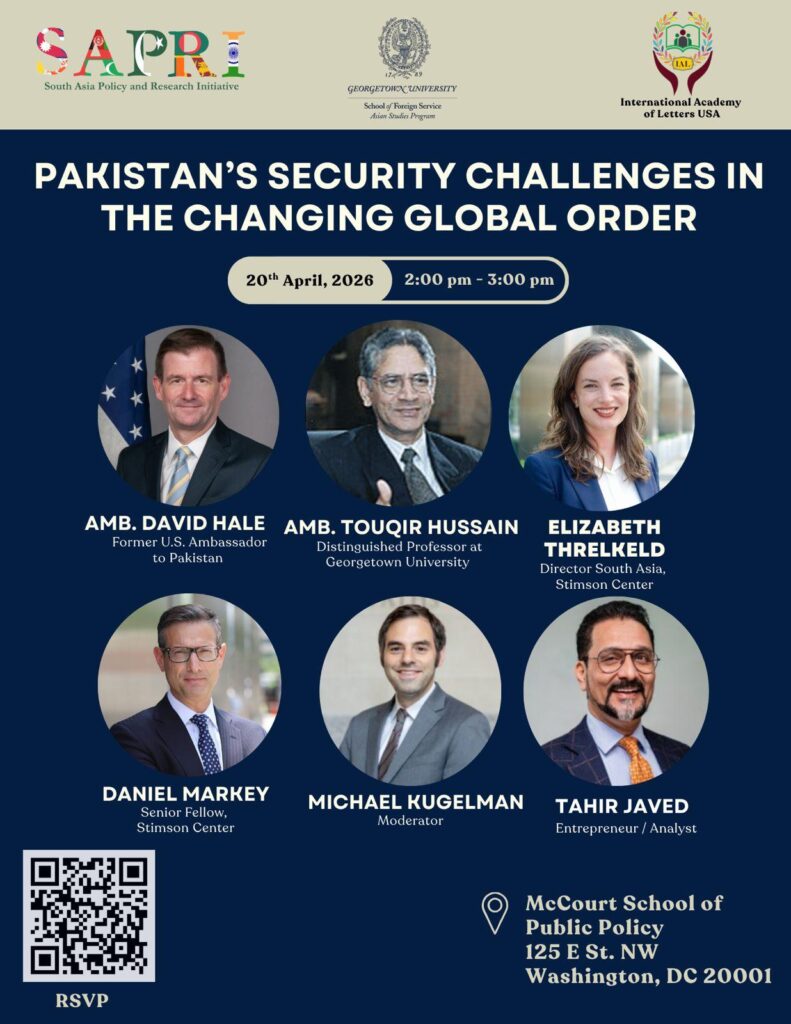
Pakistan Security Challenges were brought into sharp focus during a high-level policy discussion scheduled for April 20, 2026, in Washington, D.C., where global experts and diplomats are set to examine Islamabad’s evolving security landscape amid shifting geopolitical realities.
Overview of the Policy Dialogue
The event, titled “Pakistan’s Security Challenges in the Changing Global Order,” is being organized through a collaboration between leading academic and policy institutions. It aims to explore how Pakistan navigates emerging threats while adapting to a rapidly transforming international system.
Hosted at the McCourt School of Public Policy, the session will bring together policymakers, scholars, and analysts to discuss pressing regional and global concerns impacting Pakistan’s strategic environment.
Key Speakers and Strategic Insights
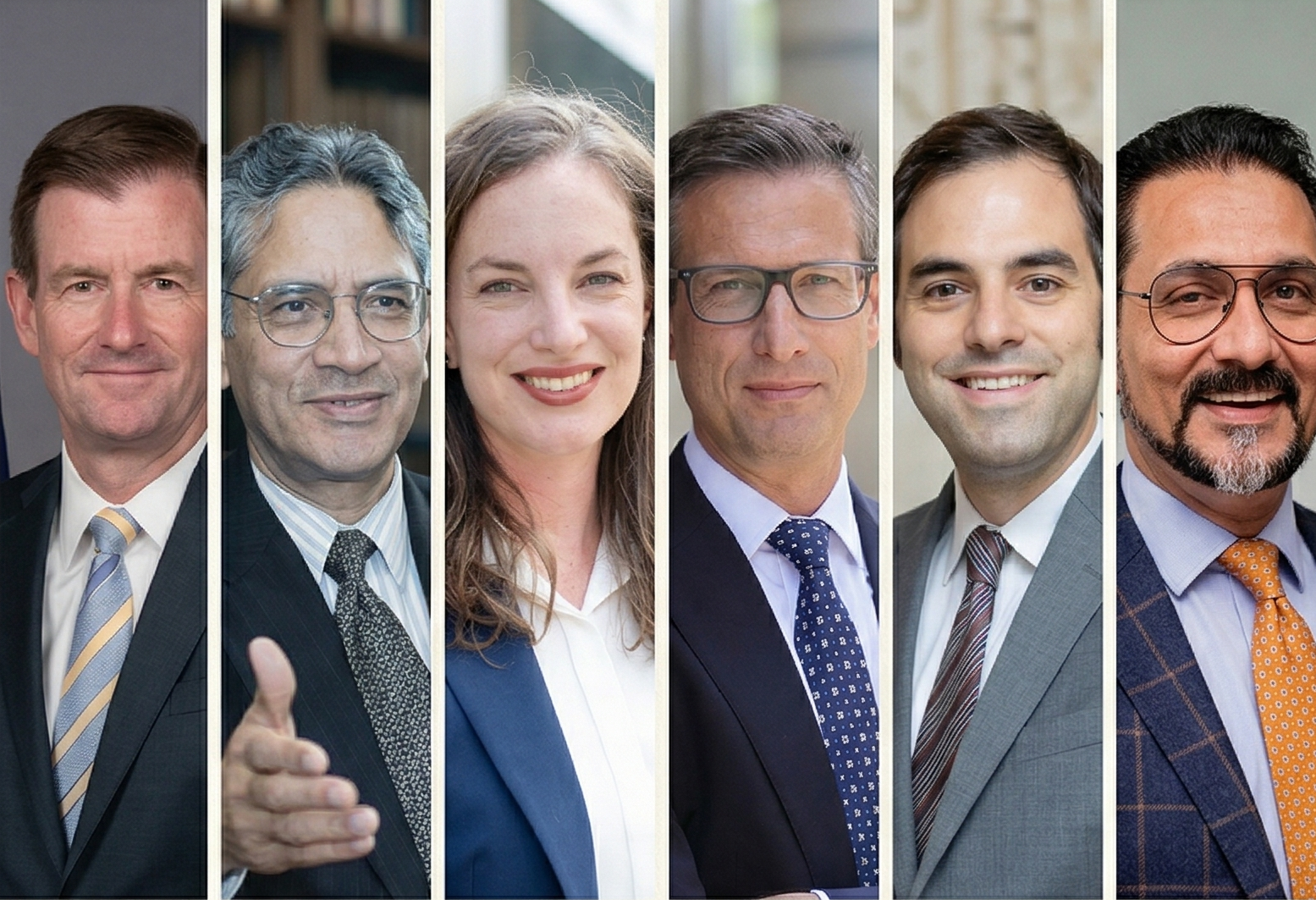
The panel features a distinguished lineup of experts with deep experience in South Asia policy and diplomacy. Among them are former U.S. Ambassador David Hale, noted academic Touqir Hussain, and regional policy specialist Elizabeth Threlkeld.
They are joined by analysts Daniel Markey and Michael Kugelman, along with entrepreneur and commentator Mr. Tahir Javed. The diversity of perspectives is expected to provide a comprehensive view of Pakistan Security Challenges from both Western and regional standpoints.
Pakistan’s Position in a Changing Global Order
As global power dynamics shift, Pakistan finds itself at a strategic crossroads. The ongoing recalibration of U.S.-China relations, evolving alliances, and regional instability in South Asia and the Middle East are directly influencing Pakistan’s foreign policy priorities.
Experts suggest that Pakistan must balance its economic needs with security imperatives, particularly as it deepens ties with China while maintaining critical engagement with Western partners.
The discussion is expected to analyze how Pakistan Security Challenges intersect with broader global transformations, including economic competition, technological rivalry, and shifting security alliances.
Security Challenges and Regional Dynamics
Pakistan continues to face a complex mix of internal and external threats. These include border tensions, counterterrorism concerns, and economic vulnerabilities that impact national security.
Additionally, developments in neighboring Afghanistan, ongoing tensions with India, and non-traditional threats such as cyber risks and climate-related security issues are reshaping Pakistan’s defense and policy framework.
Panelists are likely to emphasize the need for integrated strategies that address both traditional military concerns and emerging non-conventional threats.
Policy Implications and Future Outlook
The event is expected to generate critical insights for policymakers, particularly in understanding how Pakistan can strengthen its resilience in an uncertain global environment.
Discussions will likely highlight the importance of diplomatic engagement, economic reform, and regional cooperation in mitigating Pakistan Security Challenges.
As global uncertainty grows, Pakistan’s ability to adapt its security strategy will play a crucial role in determining its future stability and influence on the international stage.