Table of Contents
Iran US Security Umbrella Debate Intensifies Amid Gulf Tensions
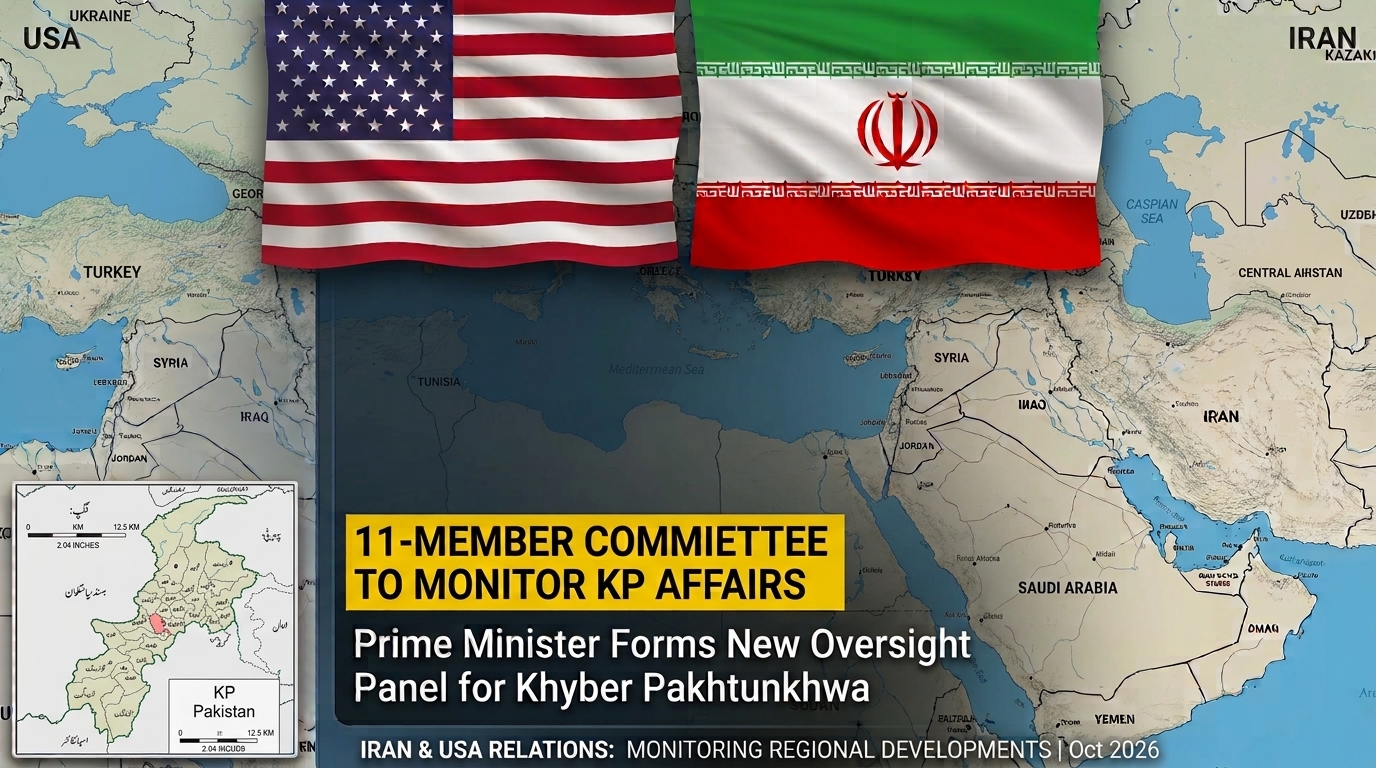
Iran US Security Umbrella criticism has intensified as Tehran urges Gulf countries to reconsider their reliance on Washington for regional security, arguing that recent military developments have exposed weaknesses in American protection. Iranian Armed Forces spokesperson Abolfazl Shekarchi has warned that countries relying on US security guarantees could face serious consequences from what he described as flawed strategic decisions.
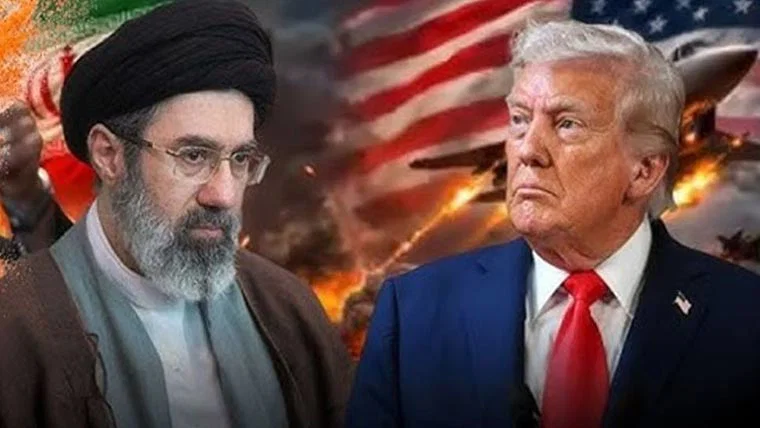
bouring countries to reconsider their defence relationships.
For Gulf governments, however, security policy involves several competing considerations, including protection of energy infrastructure, maritime trade, territorial integrity and international economic links.
American military installations and defence partnerships have long formed part of the security arrangements of several Gulf states. Whether countries in the region will substantially change those relationships remains uncertain. Iran’s statements alone do not establish that Gulf governments intend to withdraw from existing agreements.
Strait of Hormuz and Global Energy Security
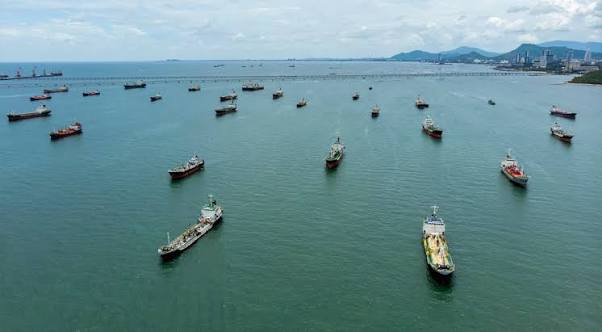
The Strait of Hormuz remains a major concern in the wider confrontation. The narrow waterway connects the Persian Gulf with the Gulf of Oman and is one of the world’s most important routes for international oil and liquefied natural gas shipments.
The US Congressional Research Service has highlighted the waterway’s importance to global energy markets and the disruptions caused by the conflict that began in February 2026. Roughly one-fifth of global liquefied natural gas trade normally passes through the strait, while a substantial share of seaborne oil trade also relies on the route.
Shipping conditions remain volatile.October 8 that only seven commodity vessels crossed the strait on Tuesday, the lowest number since July 23, according to shipping analytics firm Kpler. Crude oil movements through the waterway had also fallen from their wartime weekly high.
These disruptions raise concerns about supply availability, shipping costs and energy prices. The extent of the impact depends on how long restrictions persist, whether alternative export routes can compensate and whether diplomatic efforts produce an agreement on safe maritime passage.
Gulf Military Bases Under Scrutiny
Iran has targeted US military facilities in Gulf countries during the confrontation, placing additional attention on the risks faced by states hosting American forces. Such attacks have intensified debate over the protection offered by foreign military deployments when regional conflict escalates.
The presence of US forces can provide military capabilities, intelligence cooperation and deterrence. However, no security arrangement can eliminate every risk from missiles, drones or attacks on critical infrastructure.
The effectiveness of these arrangements must therefore be assessed against the specific threats involved, the protection available to civilian and energy facilities, and the ability of regional governments to coordinate their responses.
The supplied report also refers to Houthi attacks affecting Saudi facilities and airports, as well as threats to shipping near Bab al-Mandab and infrastructure associated with Saudi Arabia’s East-West Pipeline. Those specific incidents should be independently verified before being presented as confirmed developments.
Regional Security Implications
The debate over the Iran US Security Umbrella highlights the difficult choices facing Gulf governments as they balance defence partnerships with regional diplomacy and economic stability.
Iran is using the current crisis to challenge American influence and promote a different regional security arrangement. Gulf states, meanwhile, must weigh the risks of escalation against their reliance on stable energy exports, international shipping and established defence relationships.
The future direction of regional security will depend on military developments, diplomatic negotiations and the decisions of individual governments. For now, Tehran’s statements underline the widening disagreement over who should guarantee security in West Asia and how that security should be maintained.See More on Pulse Paksitan