Table of Contents
Petrol Price Cut Announced for Consumers Across Pakistan
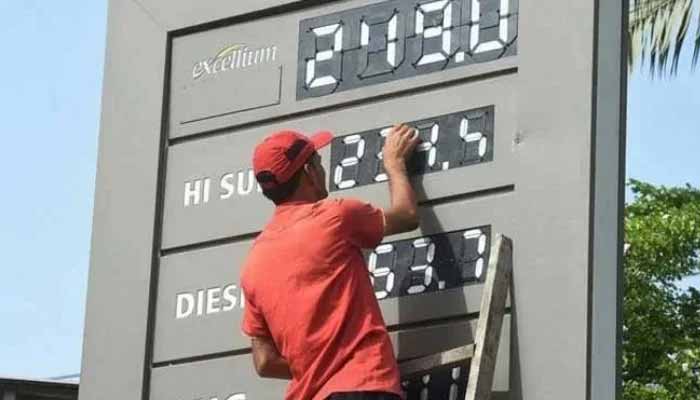
The federal government has announced a fresh petrol price cut of Rs5 per litre for both petrol and high-speed diesel (HSD), offering temporary relief to consumers affected by weeks of rising fuel costs. The revised petroleum prices will take effect from May 16, according to an official notification issued by the Petroleum Division.
Government Announces Fresh Petrol Price Cut
Under the latest revision, the price of petrol has been reduced to Rs409.78 per litre, while high-speed diesel will now cost Rs409.58 per litre. The adjustment follows last week’s steep increase, when petrol prices were raised by Rs14.92 per litre and diesel by Rs15 per litre.
The government has adopted a weekly petroleum price review mechanism in recent months due to continued volatility in global oil markets. Officials say the move is intended to help local fuel prices respond more quickly to international market fluctuations.
New Petrol and Diesel Prices in Pakistan
The latest reduction comes at a time when consumers and businesses have been struggling with inflationary pressure linked to rising transportation and energy costs.
Petrol is primarily consumed by private vehicle owners, motorcyclists, and rickshaw drivers. Any increase in petrol rates directly affects the daily travel expenses of middle-income and lower-income households.
Meanwhile, high-speed diesel remains a critical fuel source for Pakistan’s transport and agricultural sectors. Trucks, buses, tractors, and other heavy machinery depend heavily on diesel, making its pricing a major factor in determining the cost of goods and food supplies across the country.
Why Fuel Prices Are Changing Weekly
Pakistan shifted to weekly petroleum price adjustments following escalating tensions in the Middle East earlier this year. The ongoing conflict involving Iran, Israel, and the United States has significantly disrupted global oil supply chains.
One of the major concerns has been instability around the Strait of Hormuz, one of the world’s most important oil transit routes. A significant portion of global oil shipments passes through the strategic waterway, making geopolitical tensions there a direct threat to international energy markets.
The uncertainty has caused frequent fluctuations in crude oil prices, prompting governments worldwide, including Pakistan, to regularly revise local fuel rates.
Global Oil Market Pressures Continue
International oil prices continued to rise on Friday as investor concerns intensified over shipping security in the Gulf region.
Brent crude futures climbed by more than 3% to reach approximately $109 per barrel, while US West Texas Intermediate crude also posted strong gains above $105 per barrel.
Analysts attribute the latest surge to renewed tensions surrounding attacks and seizures involving commercial vessels near the Strait of Hormuz. Market fears have also increased after recent statements from US President Donald Trump and Iranian officials reduced expectations of a diplomatic resolution.
Over the past week alone, Brent crude prices have recorded gains exceeding 7%, while WTI crude rose more than 10%.
Impact on Consumers and Inflation
Although the latest petrol price cut provides some relief, not complete relief to consumers, economists warn that fuel prices are likely to remain unstable if geopolitical tensions persist.
Diesel prices are especially important for Pakistan’s inflation outlook because they directly affect freight transportation and agricultural production costs. Higher diesel rates often lead to increased prices for vegetables, food items, and other essential goods.
Consumers, transporters, and businesses are now closely watching global oil trends to see whether further reductions in local petroleum prices will be possible in the coming weeks.