Table of Contents
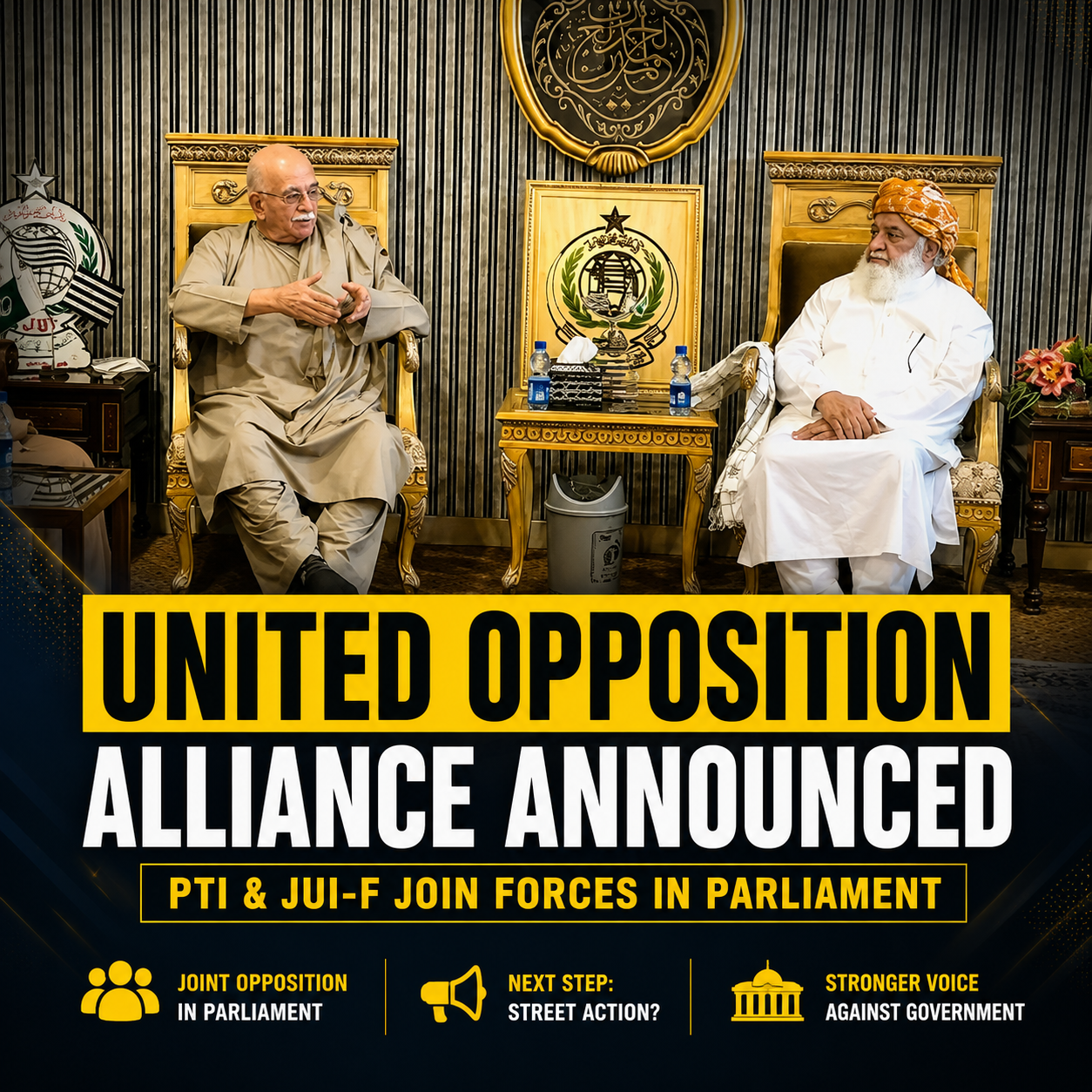
United Opposition Alliance efforts gained momentum in Pakistan as Jamiat Ulema-e-Islam-Fazl (JUI-F) chief Maulana Fazlur Rehman and senior opposition leaders agreed in principle to establish a coordinated opposition platform in Parliament, with further consultations expected on its structure and future political strategy.
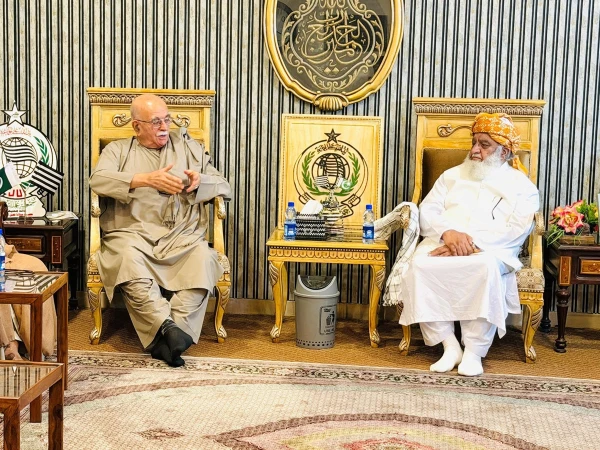
The development comes amid intensified political engagement among opposition parties, following recent meetings involving Pakistan Tehreek-e-Insaf (PTI), JUI-F, Tehreek Tahafuz Ayeen-i-Pakistan (TTAP) leaders and other parliamentary figures.
United Opposition Alliance Takes Shape
According to reports, Fazlur Rehman held discussions with National Assembly Opposition Leader Mahmood Khan Achakzai and Senate Opposition Leader Allama Raja Nasir Abbas regarding parliamentary affairs, cooperation between opposition groups and the political situation in the country.
A spokesperson for the opposition alliance said the participants had agreed in principle to move toward a “united opposition” and continue consultations to develop a joint course of action.
Fazlur Rehman subsequently told reporters that the meeting represented an initial step and that opposition parties would continue consultations before finalising a comprehensive strategy.
He said the opposition wanted to strengthen coordination and play a more effective joint role inside Parliament. The possibility of convening an All-Parties Conference has also been discussed as part of efforts to bring additional opposition groups onto a common platform.
Fazlur Rehman Calls for Parliamentary Coordination
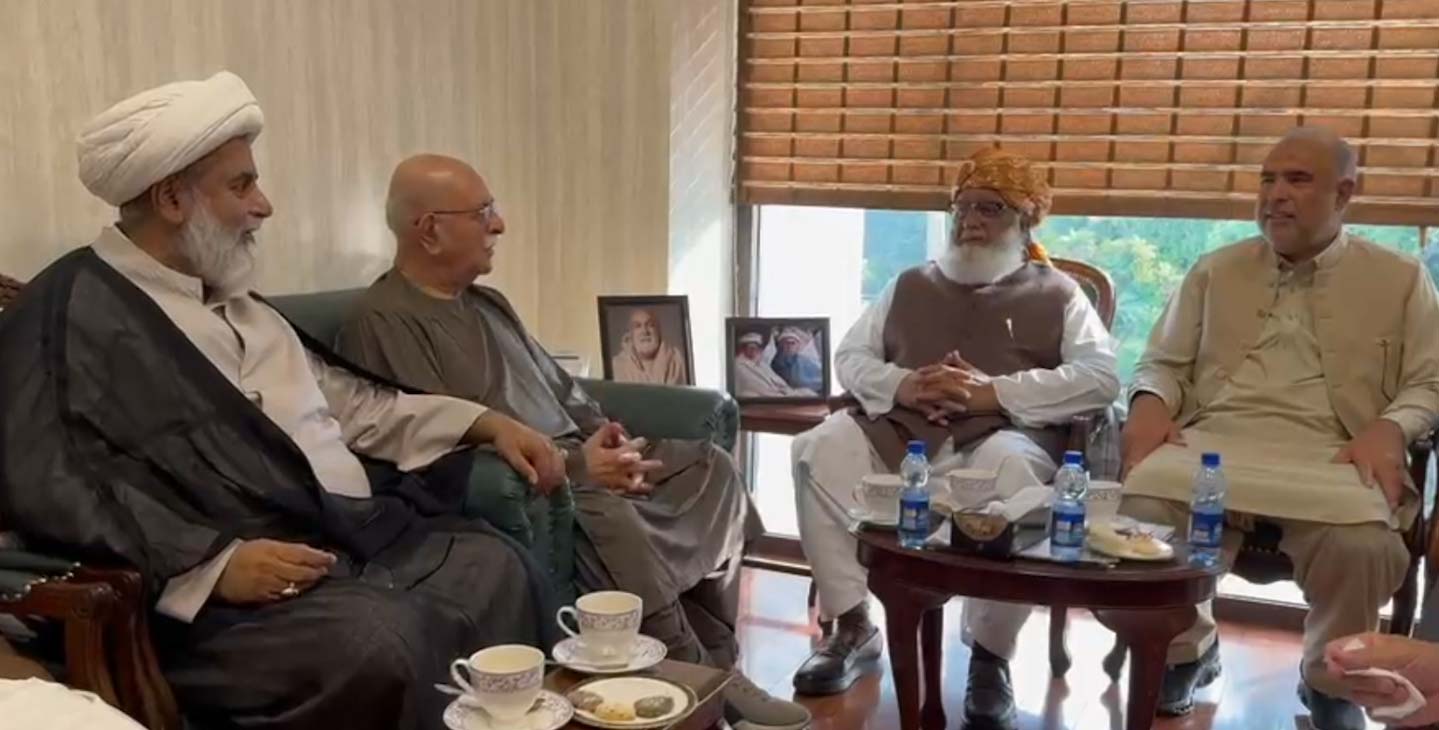
The JUI-F chief has argued that the political circumstances require opposition parties to work together rather than pursue separate strategies.
He has also raised concerns about law and order, particularly the security situation in parts of the country. According to his remarks, repeated security operations have not produced the level of improvement expected by the opposition.
Fazlur Rehman also highlighted difficulties faced by traders in the tribal districts and concerns surrounding Pakistan’s western border and regional trade.
He further criticised discussions surrounding the creation of new provinces, arguing that the country should first address its existing political, economic and security challenges.
The JUI-F leader said opposition parties would present their collective position before the public after completing consultations within their respective organisations.
PTI Signals Possible Street Mobilisation
PTI Secretary-General Salman Akram Raja welcomed the move toward greater opposition coordination, describing it as a response to the country’s political circumstances.
Raja said opposition parties were now working together inside Parliament but suggested that the process could eventually extend beyond the parliamentary arena.
He indicated that a future phase could involve opposition activity on the streets, although the precise form and timing of any such mobilisation had not been finalised.
The development follows several days of political contacts between opposition leaders. On August 19, PPP Chairman Bilawal Bhutto Zardari also met opposition leaders, with both sides agreeing to maintain contact and cooperate on legislative matters.
Achakzai and Raja Nasir Abbas Back Joint Strategy
Mahmood Khan Achakzai, who serves as opposition leader in the National Assembly, has increasingly called for opposition parties to coordinate their efforts around constitutional and democratic issues.
The National Assembly’s official website currently lists Achakzai as the Leader of the Opposition.
Senate Opposition Leader Allama Raja Nasir Abbas has also supported the formation of a united parliamentary opposition.
He argued that opposition parties need to collectively respond to what they consider serious political and constitutional challenges.
Both leaders have stressed the importance of strengthening Parliament as the principal forum for political debate and decision-making.
Opposition Raises Law and Order Concerns
Former National Assembly Speaker Asad Qaiser has also backed greater cooperation among opposition parties.
He has called for improved security across the provinces and urged implementation of the National Action Plan.
Opposition leaders have simultaneously criticised the government over what they describe as failures in maintaining law and order and protecting political and constitutional rights.
These claims represent the opposition’s political position and have been strongly disputed by government representatives.
What Comes Next for the Alliance
The proposed United Opposition Alliance is still at an early stage. The agreement reached so far is described as being in principle, with additional consultations required before the alliance’s structure, membership and detailed programme are finalised.
The role of other political parties will be particularly important. Fazlur Rehman has indicated that further discussions are needed, including consideration of an All-Parties Conference. The Pakistan Peoples Party remains a significant factor because it is currently part of the federal governing arrangement, making its potential involvement in a broader opposition platform uncertain.
For now, the emerging alignment marks a significant development in Pakistan’s parliamentary politics. If the participating parties succeed in turning their initial understanding into a formal and disciplined alliance, the opposition could gain greater coordination in Parliament and potentially greater influence over the country’s wider political discourse.See More on Pulse Pakistan