Table of Contents
Strait of Hormuz Oil Flow Rebounds as Vance Signals Major Shift
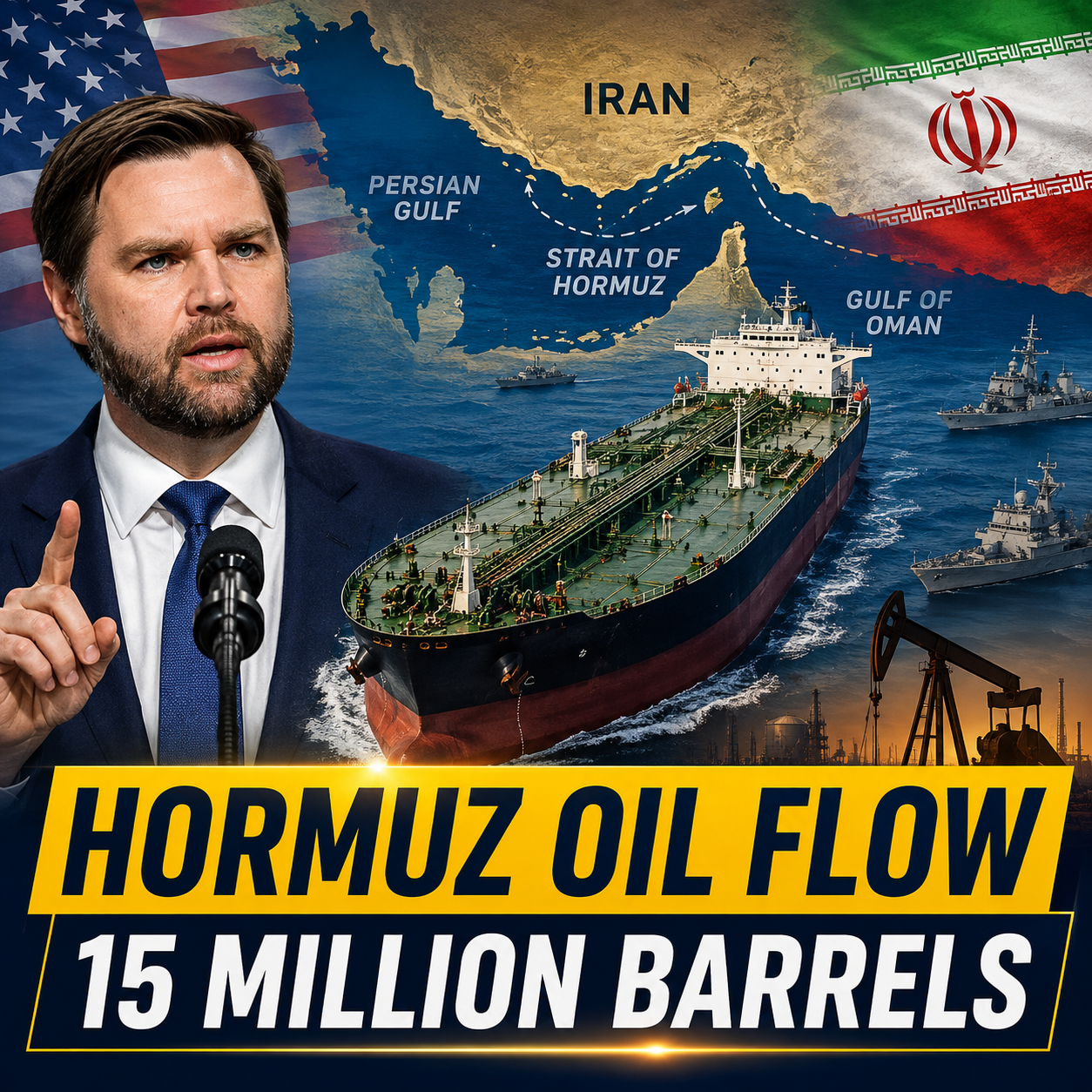
Strait of Hormuz oil shipments have increased significantly amid the continuing US-Iran conflict, with US Vice President JD Vance claiming that flows through the strategic waterway have moved close to pre-war levels. However, independent shipping data indicates that overall maritime traffic remains substantially below normal levels.

Vance Says Oil Flow Through Hormuz Has Recovered
Speaking at a White House briefing, Vance said approximately 15 million barrels of oil passed through the Strait of Hormuz on Wednesday.
He described the development as evidence that Iran’s ability to control the strategically vital waterway had significantly weakened. Vance said oil and gas flows, which had previously fallen to almost nothing under Iranian threats, were now approaching levels seen before the conflict.
The claim comes as Washington continues efforts to keep energy shipments moving through one of the world’s most important maritime routes.
Before the conflict, roughly 20 million barrels of Gulf oil moved through the strait, according to reporting cited by The Washington Post. Vance said the United States had escorted about 15 million barrels on Wednesday.
US Demands End to Attacks on Commercial Ships
Vance said Washington would not resume negotiations with Tehran while Iranian forces continue attacking commercial shipping.
He argued that Iran must stop firing on commercial vessels before diplomatic discussions can restart. Reuters reported that Vance offered no timetable for the end of the conflict and said the situation depended largely on whether Iran stopped targeting ships.
The comments highlight the central role of maritime security in the US strategy toward Iran. Washington has repeatedly linked high energy prices and disrupted shipping to attacks on commercial vessels in the region.
Shipping Data Shows Continued Disruption
Despite Vance’s assessment that oil flows are nearing pre-war levels, independent data paints a more cautious picture.
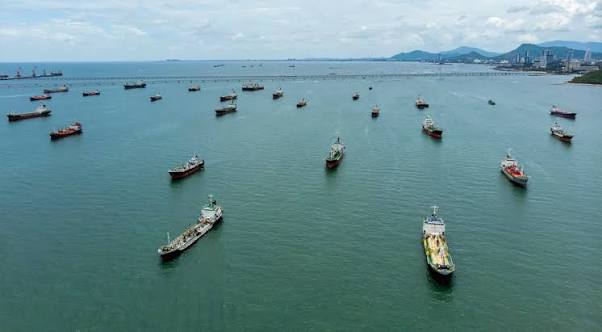
Reuters reported on Friday that only four commodity vessels crossed the Strait of Hormuz on Thursday, compared with a 10-day average of about 15. Before the war began, around 125 large commercial vessels were passing through the waterway each day.
Kpler data also showed that observed oil and refined-product volumes exiting the strait during the conflict had generally remained between 4 million and 6 million barrels per day, apart from a temporary increase during an earlier US-Iran agreement.
The contrasting figures suggest that while some large oil shipments are moving through the waterway, normal commercial traffic has yet to fully recover.
Wedding Strike Claims Under Investigation
Vance also addressed reports of a US strike on a wedding gathering in southern Iran.
He said Washington was investigating the incident but expressed skepticism toward Iranian state-media accounts. Vance maintained that the US military does not deliberately target civilians, while acknowledging that investigations were continuing.
Reuters later reported that weapons experts examining verified images and video assessed that the strike likely resulted from a direct hit by a US munition. The United States has not accepted responsibility for the incident.
China’s Role in Pressure on Iran
Vance also said China was willing to cooperate with Washington’s efforts to economically isolate Tehran.
He described Beijing as more responsible than Iran while acknowledging that Washington and Beijing continue to have significant disagreements. The comments are notable because China has historically been a major buyer of Iranian oil.
Vance indicated that cooperation from China could strengthen US efforts to pressure Iran economically and force Tehran toward an agreement.
Nuclear Issue Remains a US Priority
Beyond shipping security, Washington continues to insist that Iran must not acquire nuclear weapons.
Vance has declined to give a timeline for the end of the conflict, saying he could not predict when Iran would stop attacks on commercial shipping. Reuters reported that renewed fighting and elevated energy prices are adding political pressure on the Trump administration ahead of the November US midterm elections.
For now, the Strait of Hormuz remains a critical indicator of the wider conflict. While US officials point to rising oil shipments as evidence of improved access, independent shipping data shows that the broader flow of commercial vessels remains well below pre-war conditions. See More on Pulse Pakistan