Table of Contents
Two Holy Mosques Protection: Pakistan Issues Powerful Warning Against Regional Escalation
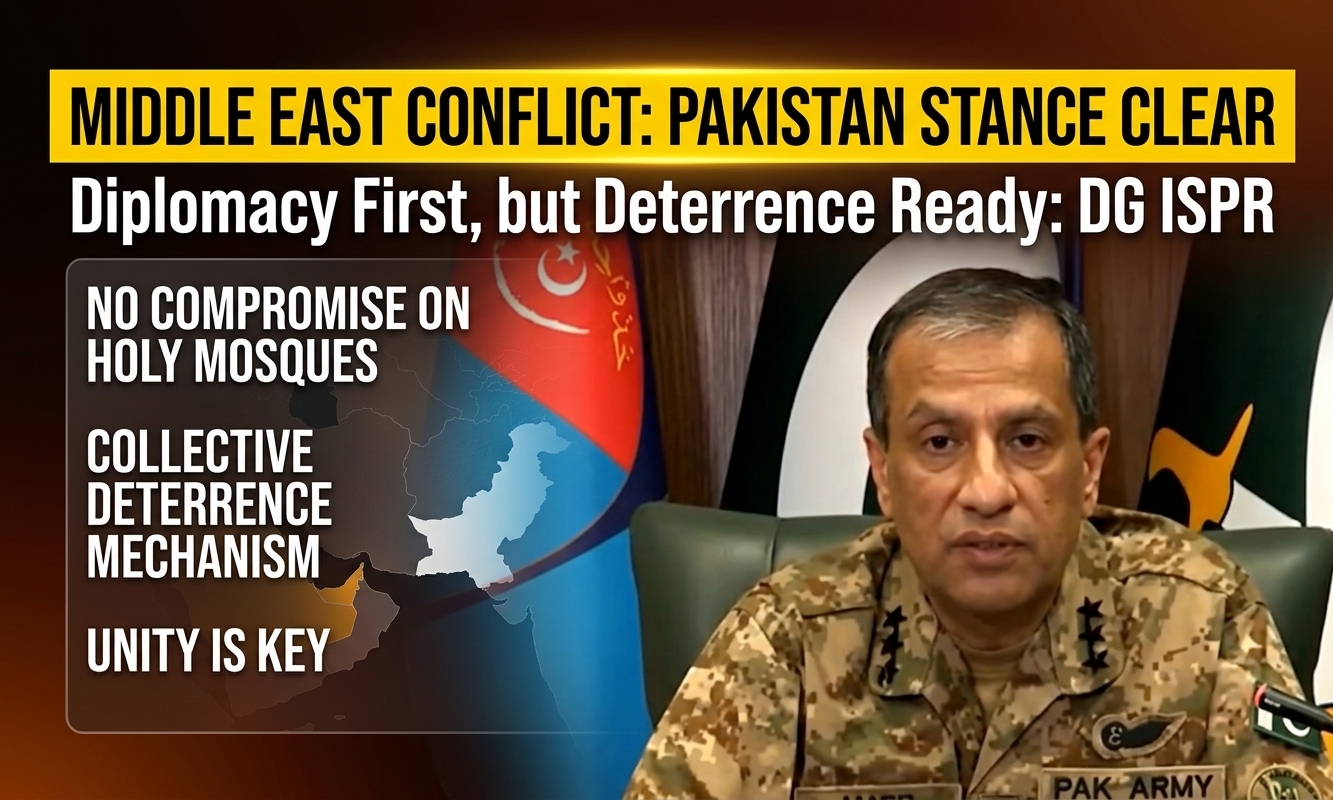
Two Holy Mosques Protection remains a central priority of Pakistan’s regional security policy, according to Director General Inter-Services Public Relations (DG ISPR) Lieutenant General Ahmed Sharif Chaudhry. Speaking to an Arab television channel, the military spokesperson emphasized Pakistan’s commitment to Saudi Arabia’s sovereignty and territorial integrity while warning that continued military escalation in the Middle East could trigger a collective deterrence response under the Makkah Alliance framework.
Pakistan Reaffirms Commitment to Two Holy Mosques Protection
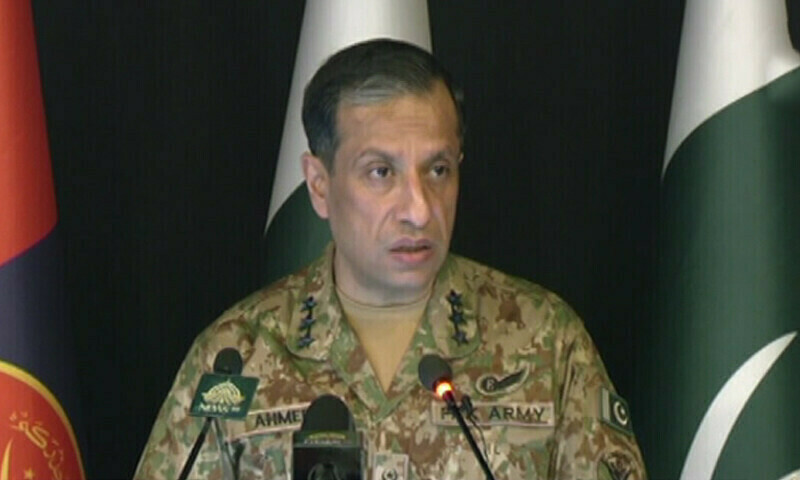
RAWALPINDI: Lieutenant General Ahmed Sharif Chaudhry has reiterated that safeguarding the holy cities of Makkah and Madinah is an unwavering priority for Pakistan.
During his interview with an Arab television network, the DG ISPR stressed that Pakistan would not compromise on the security of Islam’s two holiest mosques.
He said the country’s position regarding Saudi Arabia’s sovereignty, territorial integrity and the protection of sacred Islamic sites had already been communicated through Pakistan’s political leadership and the Field Marshal.
The military spokesperson also described strong public, political and military reactions to reported attacks on sacred locations.
He maintained that the security of religious sites remains an issue of profound importance for Pakistan.
Makkah Alliance Defence Agreement Gains Momentum
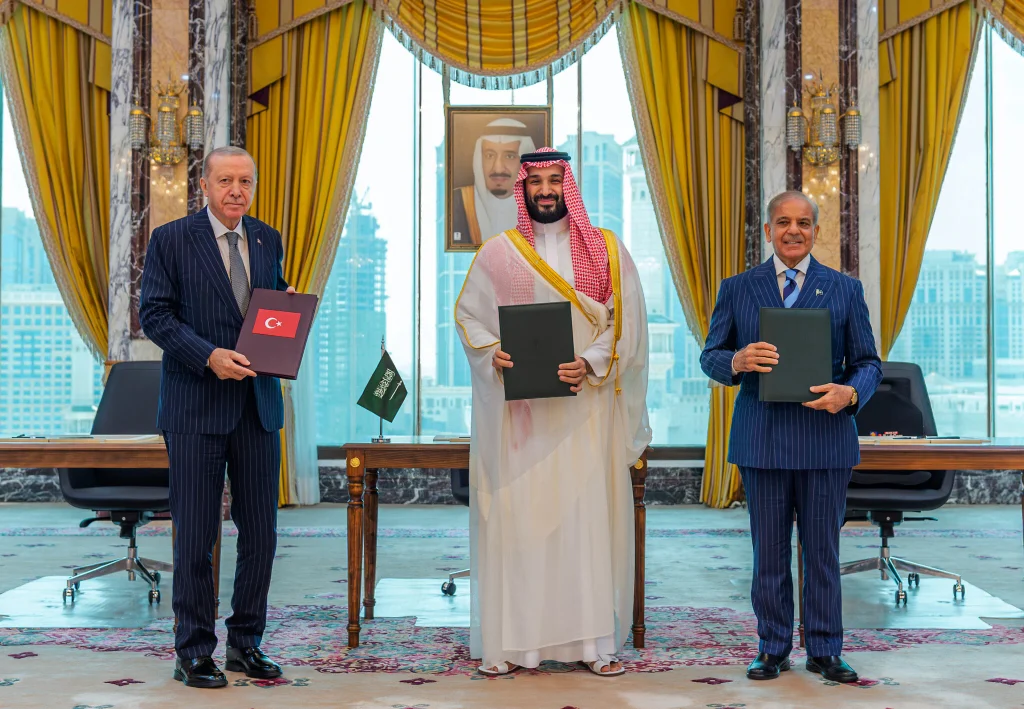
Discussing the Makkah Alliance Defence Agreement, the DG ISPR said the joint security initiative had advanced considerably within a relatively short period.
He described the arrangement as a shared strategic vision involving Pakistan, Saudi Arabia and Türkiye.
According to his remarks, the partnership seeks to strengthen cooperation on regional security while maintaining a defensive rather than offensive posture.
The spokesperson emphasized that the alliance was not established to threaten any particular country.
Instead, its stated purpose is to support stability, security and prosperity across the region.
Pakistan Calls for Diplomatic Resolution
Lieutenant General Ahmed Sharif Chaudhry warned that expanding the Middle East conflict would serve no country’s interests.
He urged the parties involved to pursue meaningful negotiations and reach an acceptable diplomatic settlement.
The DG ISPR stressed that further escalation, regardless of its scale, could deepen regional instability rather than resolve existing disputes.
His comments placed particular emphasis on preventing the conflict from developing into a broader military confrontation.
Pakistan’s stated preference, according to the spokesperson, remains a negotiated outcome capable of reducing tensions and protecting regional security.
Collective Deterrence and Regional Security
The military spokesperson also addressed the possibility of diplomatic negotiations failing.
He said that if peaceful efforts proved unsuccessful and military confrontation continued, the Makkah Alliance’s collective deterrence mechanism would become operational.
However, he emphasized that the alliance’s leadership, objectives and operational direction were clearly defined.
The DG ISPR maintained that the partnership had no aggressive intentions and should not be interpreted as a framework for initiating conflict.
His remarks presented collective deterrence as a defensive response rather than a substitute for diplomacy.
He did not provide specific operational details or a timetable for any potential activation.
Pakistan, Saudi Arabia and Türkiye Emphasize Unity
Highlighting the relationship among Pakistan, Saudi Arabia and Türkiye, the DG ISPR said the three countries shared an interest in regional peace and economic prosperity.
He emphasized that cooperation among Muslim-majority countries should promote stability rather than deepen divisions.
The spokesperson urged Muslim nations to prioritize unity and dialogue instead of confrontation.
He also reiterated that Two Holy Mosques Protection remains a non-negotiable concern for Pakistan.
Regional Implications of the Defence Partnership
The remarks underscore Pakistan’s stated commitment to Saudi security while reinforcing its preference for diplomatic engagement.
The Makkah Alliance, as described by the military spokesperson, combines regional security cooperation with the principle of collective deterrence.
Nevertheless, the precise legal commitments and operational procedures of the arrangement were not detailed in the reported interview.
For now, Pakistan’s publicly stated position places diplomacy first, with collective deterrence presented as a possible response if negotiations fail and military confrontation persists.
The DG ISPR concluded by emphasizing that Muslim countries should work together to promote lasting peace, stability and security throughout the region.See More on Pulse Pakistan