Table of Contents
Petrol Price in Pakistan has increased again as the federal government announced another revision in petroleum product prices, adding further pressure on consumers already facing elevated living costs.
According to the latest notification issued by the Petroleum Division, petrol has been increased by Rs4.42 per litre, while the price of high-speed diesel (HSD) has risen by Rs6.10 per litre. The revised rates will take effect from September 15, 2026.
The latest adjustment comes shortly after the government raised petrol and diesel prices for September 12–14. During that period, petrol was priced at Rs375.82 per litre and HSD at Rs403.32 per litre.
Petrol Price in Pakistan Reaches Rs380.24
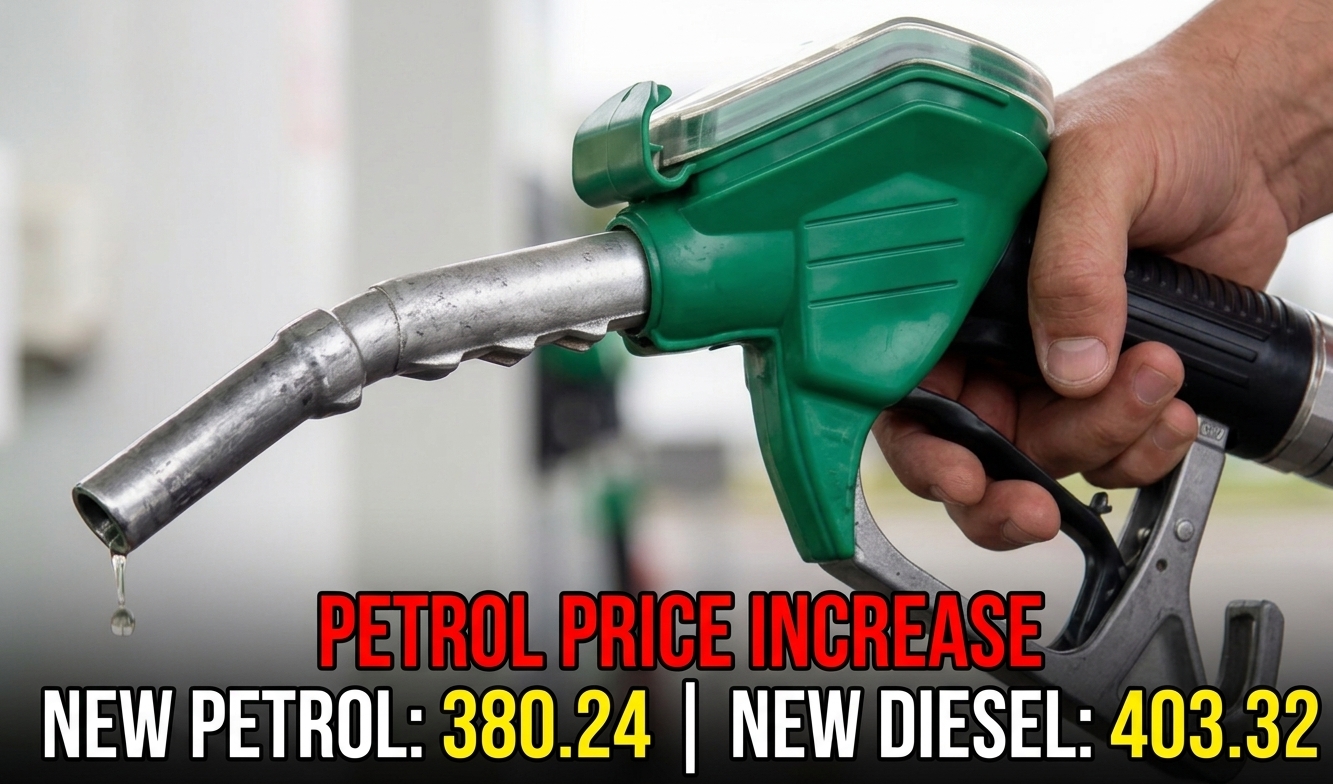
Under the latest revision, petrol will now be available at Rs380.24 per litre, compared with the previous rate of Rs375.82.
The price of high-speed diesel has also crossed another significant level, increasing to Rs409.42 per litre from Rs403.32.
The Petroleum Division has been publishing frequent price revisions in September as international oil-market conditions continue to influence domestic fuel rates. The ministry’s official website shows a series of petroleum-price notifications issued throughout the month.
The latest increase is particularly significant for diesel users because HSD is widely used in commercial transportation, agriculture, logistics and other economic activities. Higher diesel costs can therefore feed into transportation and production expenses.
Higher Fuel Costs Could Add to Inflationary Pressure
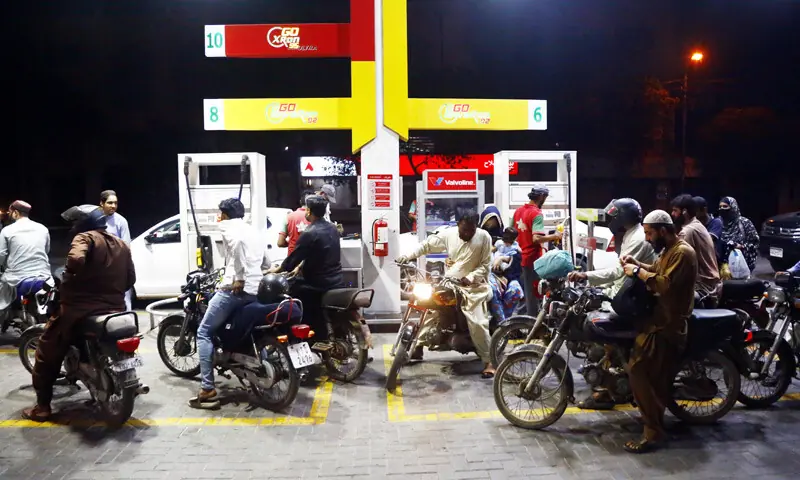
The increase in petroleum prices is expected to create additional financial pressure for households and businesses.
Petrol directly affects the cost of daily commuting for millions of citizens, while higher diesel prices can influence freight charges and the transportation of essential commodities.
As transportation expenses rise, businesses may face higher operating costs. These additional expenses can eventually be reflected in the prices of food, consumer goods and other necessities.
Recent fuel-price revisions have already placed motorists and transport operators under increasing pressure. The government has been adjusting fuel rates frequently amid volatility in international energy markets.
International Oil Market Remains Key Factor
Pakistan’s domestic petroleum prices remain closely linked to international oil-market movements and the country’s pricing mechanism.
Recent reporting has linked the latest increases to rising international oil prices and concerns over energy supplies amid continuing tensions in the Middle East. Business Recorder reported that the September 15 increase marked the sixth consecutive hike in petroleum prices.
The government has also previously moved toward more frequent fuel-price adjustments because of fluctuations in global oil markets. This approach allows domestic prices to respond more quickly to changes in international crude and refined-product prices.
Public Voices Anger Over Another Increase
The latest increase has drawn criticism from consumers who say repeated fuel-price hikes are making household budgets increasingly difficult to manage.
Citizens are particularly concerned that more expensive petrol will increase commuting costs, while higher diesel prices could push up transportation and delivery charges.
For many households already dealing with elevated prices for food, electricity and other essential services, another increase in fuel costs represents an additional financial burden.
The new rates are scheduled to apply from September 15, with petrol selling at Rs380.24 per litre and high-speed diesel at Rs409.42 per litre.
The latest revision underscores the continuing sensitivity of Pakistan’s domestic economy to movements in international energy markets and the broader geopolitical environment.The latest increase could also affect businesses that rely heavily on fuel for daily operations. Transport companies, delivery services, manufacturers and agricultural operators may face higher running costs, while commuters could see their monthly travel expenses rise. Any sustained increase in fuel prices may therefore have broader consequences for household budgets and business activity.See More on Pulse Pakistan