Table of Contents
Islamabad ATC orders PTI passports blocked
PTI passports of 24 Pakistan Tehreek-e-Insaf lawmakers have been ordered blocked by an Anti-Terrorism Court (ATC) in Islamabad as legal proceedings against the party’s leaders continue in connection with the November 26 protest case.
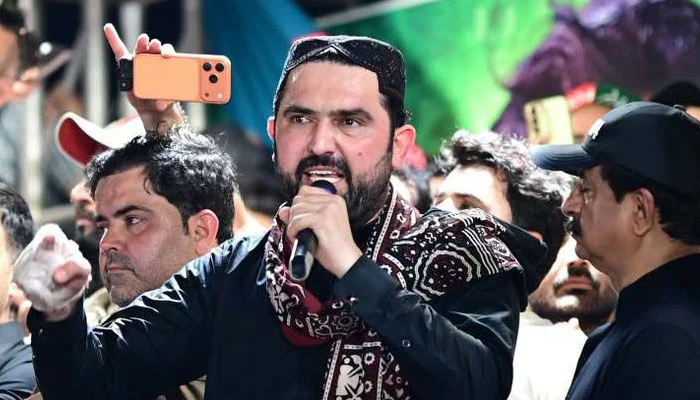
The court’s action affects members of both the National Assembly and provincial assemblies, including Khyber Pakhtunkhwa Chief Minister Sohail Afridi. The development adds another significant legal measure against PTI leaders who are facing proceedings over their alleged involvement in protest-related cases.
The court has also issued or maintained arrest-related proceedings against several PTI lawmakers who have not appeared before it.
Sohail Afridi among lawmakers named
Sohail Afridi is among the prominent PTI figures whose passport has been ordered blocked. Other lawmakers named in the court’s order include former National Assembly speaker Asad Qaiser, Shehram Khan Tarakai, Shah Ahad, Sher Ali Arbab, Muhammad Iqbal Afridi and Dr Amjad Ali.
The passport restrictions come as the legal cases involving PTI leaders continue to move through the courts. The proceedings are linked to cases arising from demonstrations and unrest associated with the party’s November 26 protest.
The court’s decision could restrict the affected lawmakers’ ability to travel internationally while the relevant legal proceedings remain pending.
Other PTI lawmakers affected
The order also covers Junaid Akbar, Shahid Khattak, Zubair Wazir, Omar Ayub, Arshad Umarzai, Zar Alam, Mian Umar, Akhtar Khan, Humayun Khan, Riaz Khan, Abdul Kabir Khan and Tufail Anjum.
In addition, the passports of Asif Mehsud, Ajab Gul, Muhammad Usman, Babar Saleem Swati, Irfan Saleem, Advocate Ali Zaman and Malik Shahab have also been ordered blocked.
The broad list demonstrates the scale of the legal action involving PTI lawmakers. The affected politicians include both senior party figures and members who have been nominated in different protest-related cases.
The passport orders are separate from the question of guilt or innocence in the underlying cases. The accused lawmakers remain subject to the judicial process, where allegations are to be determined according to law.
Arrest warrants in November 26 protest case
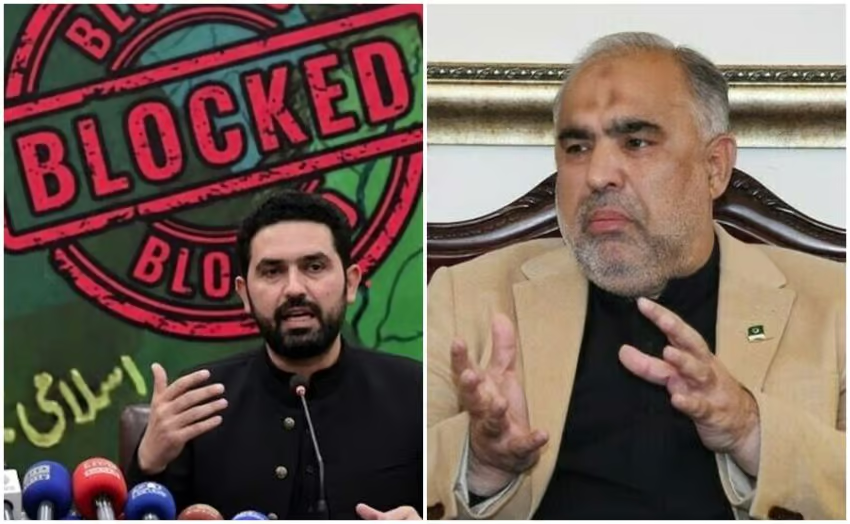
The passport-blocking order comes alongside further action against PTI leaders and workers in connection with the November 26 protest.
According to the case details, arrest warrants have been issued for 12 members of the Khyber Pakhtunkhwa Assembly, while three members of the National Assembly have also been named in arrest warrants.
The warrants relate to a case registered at Kohsar Police Station under FIR No. 1033, according to the information provided in the case.
The November 26 protest became one of the major confrontations between PTI supporters and law-enforcement authorities in Islamabad. PTI had mobilised supporters for demonstrations in the federal capital, while authorities took measures to restrict movement and prevent protesters from reaching sensitive areas.
The subsequent legal proceedings resulted in multiple cases against PTI leaders and activists across Islamabad.
Legal proceedings continue
The latest action reflects the continued judicial pressure facing PTI leaders over protest-related cases. Islamabad courts have previously issued arrest warrants and initiated proceedings against several senior PTI figures who failed to appear before the courts.
In a related development, an Islamabad ATC recently maintained arrest warrants for Khyber Pakhtunkhwa Chief Minister Sohail Afridi, PTI lawmaker Junaid Akbar and other accused in a November 26 protest case. The court also directed police to proceed with the relevant legal process.
Earlier proceedings have also involved efforts to declare some accused as proclaimed offenders after warrants could not be executed and repeated court appearances were missed.
For PTI, the latest passport restrictions represent another serious development as the party’s senior leadership and lawmakers continue to face cases stemming from demonstrations and clashes with authorities.
The court’s orders will now be followed by the relevant government departments responsible for implementing passport restrictions. The accused lawmakers, meanwhile, remain entitled to pursue their legal remedies through the courts.
The developments underline the continuing legal fallout from the November 26 protest and the growing number of judicial actions involving PTI leaders. Further proceedings are expected as courts consider arrest warrants, appearances, investigations and other legal requirements in the cases.See More on Pulse Pakistan