Table of Contents
KP Emergency Debate Intensifies
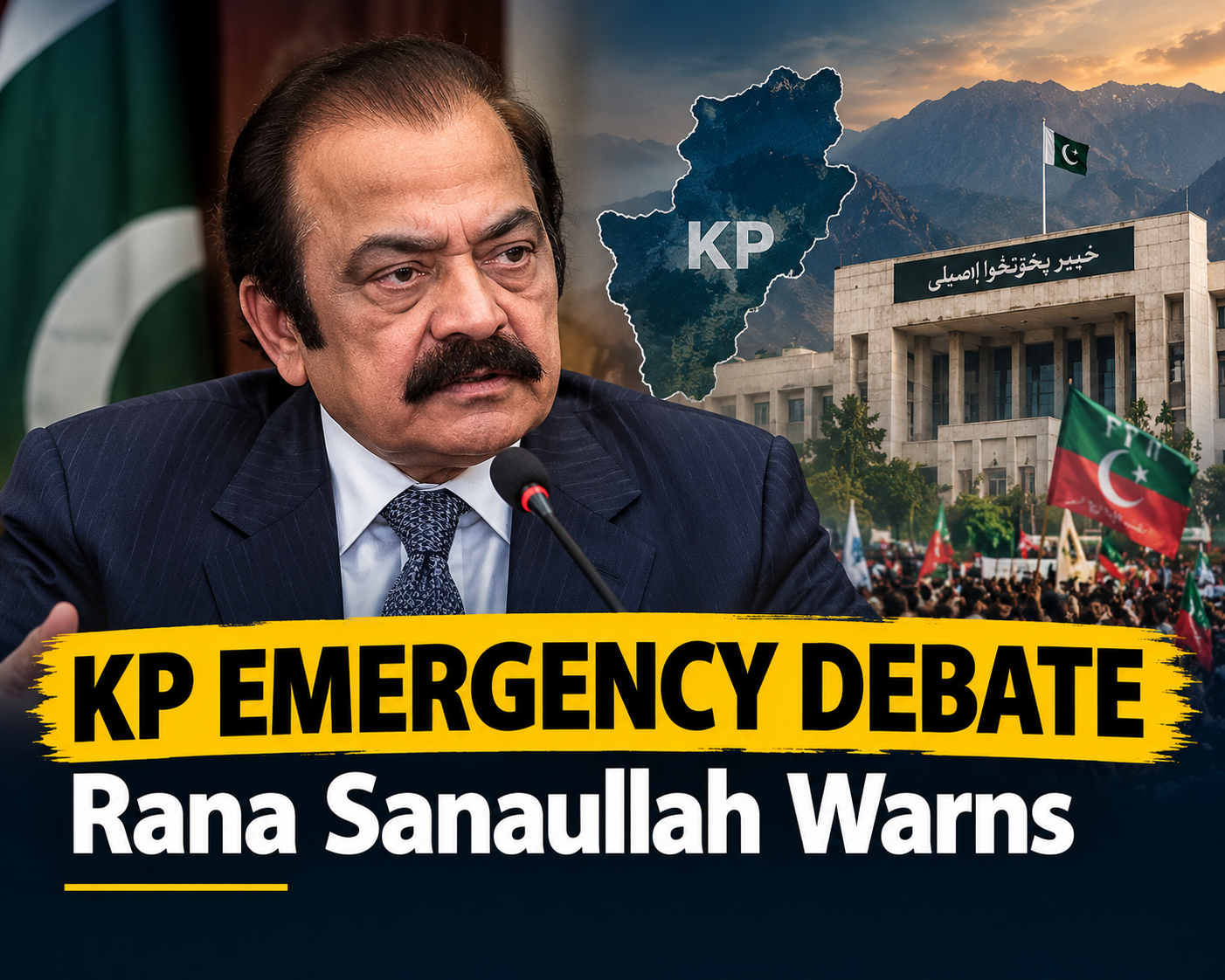
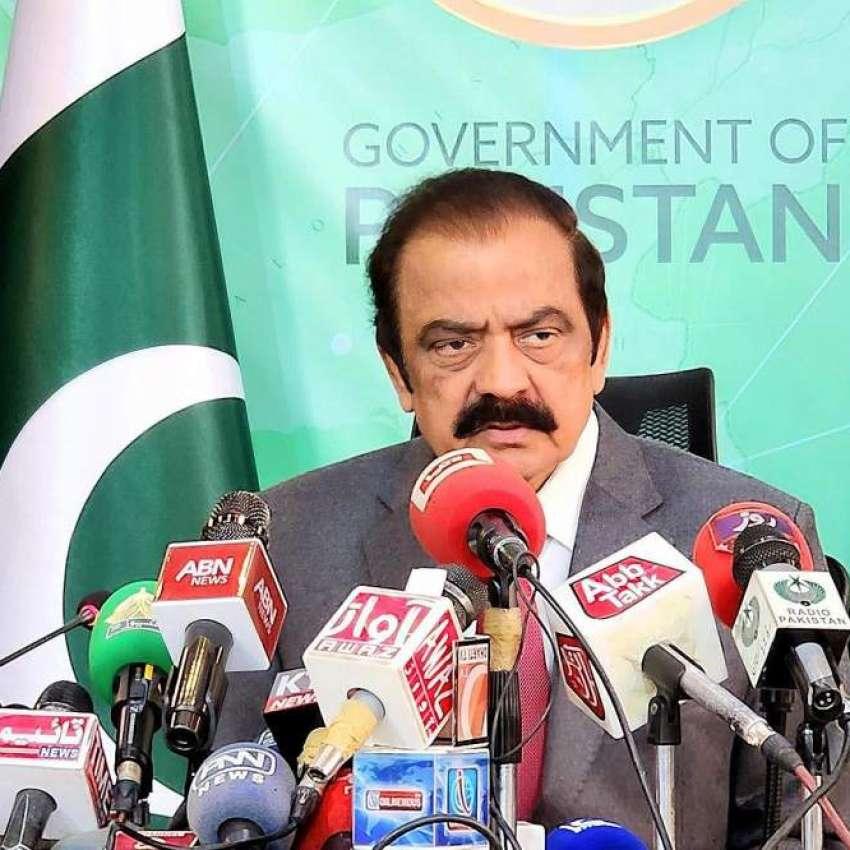
KP Emergency discussions have intensified after Prime Minister’s Adviser on Political Affairs and Pakistan Muslim League-Nawaz (PML-N) senior leader Senator Rana Sanaullah warned that the issue of imposing an emergency in Khyber Pakhtunkhwa was moving towards a dead end. He said negotiations had been considered as a way forward, but if dialogue was no longer a viable option, the government could be left with an alternative course of action.
KP Emergency Debate Intensifies
Rana Sanaullah’s remarks highlight the growing political disagreement between the federal government and the Pakistan Tehreek-e-Insaf (PTI)-led administration in Khyber Pakhtunkhwa.
Speaking about the possibility of imposing an emergency, the prime minister’s adviser indicated that the government had explored dialogue before considering other options. However, he suggested that the situation was becoming increasingly difficult to resolve through negotiations alone.
His comments do not, by themselves, establish that an emergency has been formally imposed or that a final decision has been made. Rather, they indicate that the possibility remains part of the political debate as the government assesses its options.
The issue carries significant political implications because it concerns relations between the federal government and a province governed by the opposition. Any decision regarding emergency measures would have important consequences for federal-provincial relations and the broader political environment.
Government’s Negotiation Efforts
According to Rana Sanaullah, the prime minister and the president initially considered negotiations as a possible way to address the dispute.
The government subsequently formed a committee to facilitate talks, and the negotiation process began. The stated objective was to find a workable solution through dialogue rather than allowing political tensions to escalate further.
However, Sanaullah said the initial negotiations failed to produce an agreement.
He added that the prime minister made another offer for talks, this time focusing on ending the long march. The renewed offer was intended to provide another opportunity for political engagement and prevent the confrontation from continuing.
The adviser suggested that the government had attempted more than one avenue for negotiations. His latest remarks indicate that the authorities may reconsider their approach if dialogue does not produce meaningful progress.
No specific deadline for further talks or details of a final government decision were provided in the supplied statement.
PTI’s Position on Terrorism
A central element of Rana Sanaullah’s statement was his call for the PTI and the Khyber Pakhtunkhwa chief minister to demonstrate a clear commitment to working with the federal government against terrorism.
He said relations could improve if the provincial leadership explicitly supported federal efforts to counter the security threat.
The remarks place counterterrorism cooperation at the centre of the political disagreement. Sanaullah argued that a clear commitment from the PTI leadership could help create conditions for improving relations and addressing the wider dispute.
His statement also suggests that the federal government considers cooperation on security matters an important factor in determining how the political situation develops.
However, the supplied remarks do not detail any specific counterterrorism commitments formally requested from the provincial government, nor do they establish the PTI’s response to this latest statement.
The distinction is important because the political positions of both sides, along with their willingness to engage, will influence whether the dispute can be resolved through negotiations.
Long March and the Political Standoff
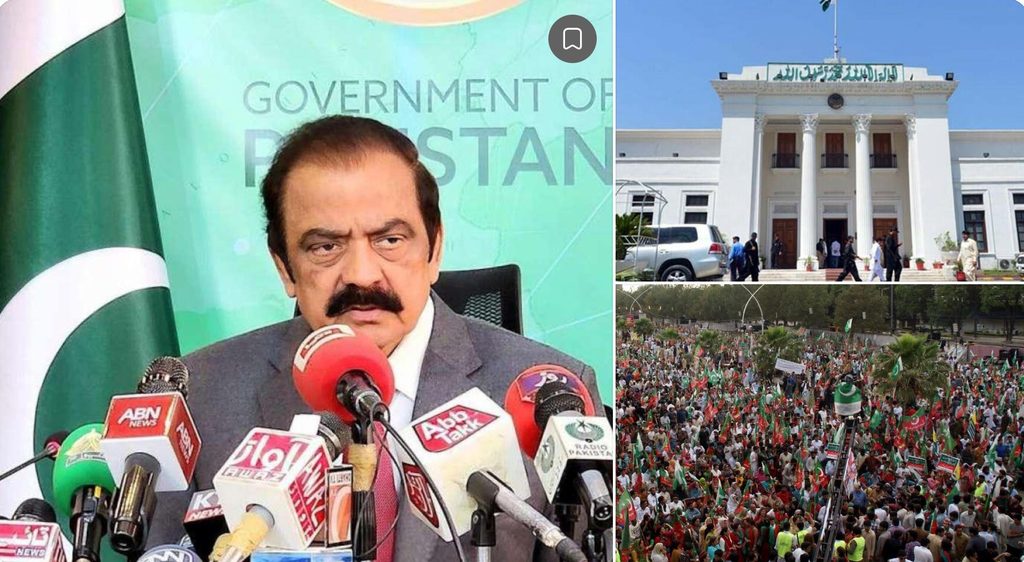
The PTI’s long march to Islamabad remains another point of contention in the dispute described by Sanaullah.
The prime minister’s adviser said that if the party did not make the expected commitment on counterterrorism cooperation, it would make little difference whether the long march proceeded to Islamabad.
His comments suggest that the government views the dispute as extending beyond the march itself. In his assessment, the broader question of cooperation against terrorism is more significant than whether the protest reaches the federal capital.
For the PTI, the march represents a political course of action, while the federal government has emphasised negotiations and security cooperation in its response.
The future of the confrontation will depend on the positions adopted by both sides and whether they can agree on a common basis for further engagement.
What Happens if Talks Fail?
Rana Sanaullah’s warning that the emergency issue is moving towards a dead end underscores the uncertainty surrounding the next stage of the dispute.
Although he indicated that the government could consider an alternative if negotiations became unworkable, he did not announce a final decision or provide details of what that alternative would involve.
The possibility of emergency measures therefore remains a subject of political discussion rather than a confirmed outcome based on the statement provided.
For now, the key questions are whether further negotiations can produce progress, whether the PTI leadership will respond to the call for counterterrorism cooperation, and how the federal government will proceed if the political deadlock continues.
The coming developments could shape relations between Islamabad and the Khyber Pakhtunkhwa government, particularly as political disagreements intersect with security concerns.
For both sides, finding a path towards constructive engagement could help reduce tensions. Without progress, however, the dispute over the proposed emergency and the long march may remain a significant challenge for Pakistan’s political leadership.See More on Pulse Pakistan