Table of Contents
Russia Iran Nuclear Deal Marks Major Breakthrough in Energy Cooperation
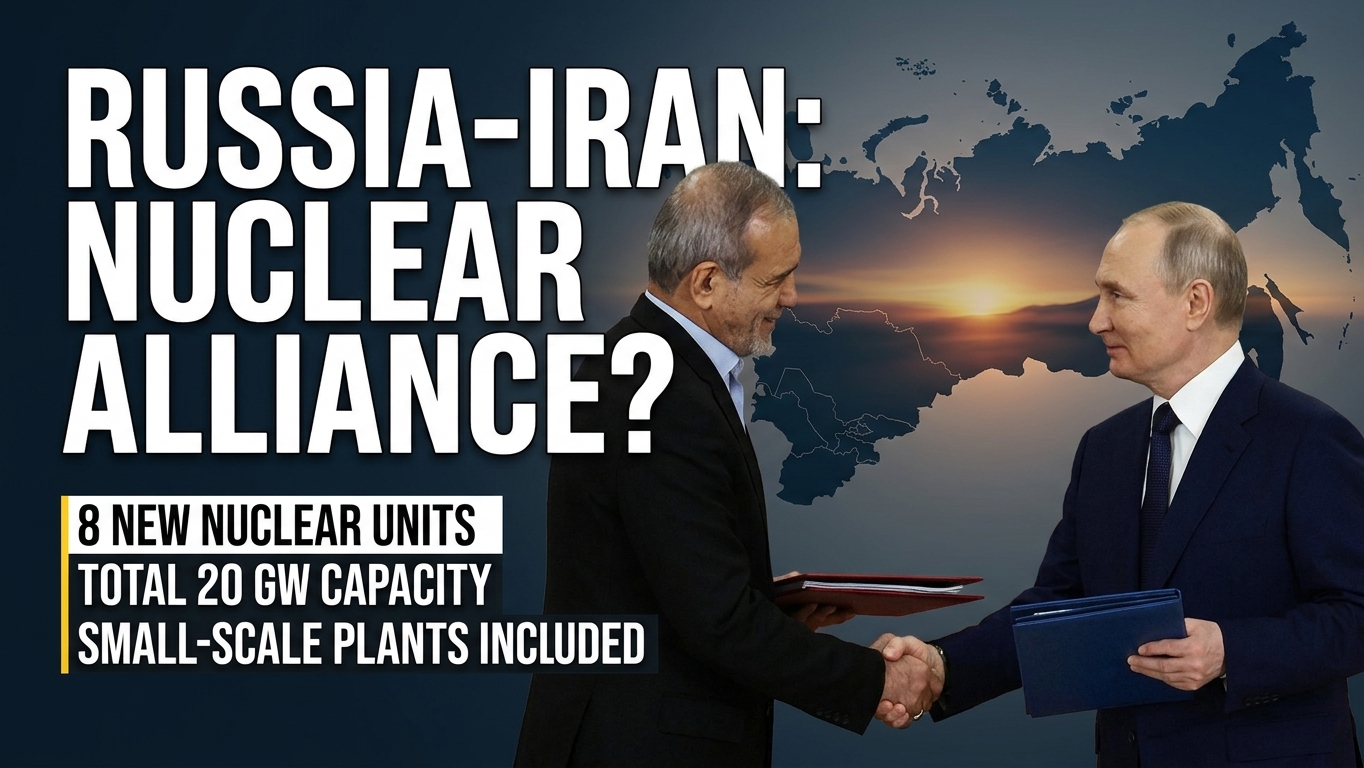
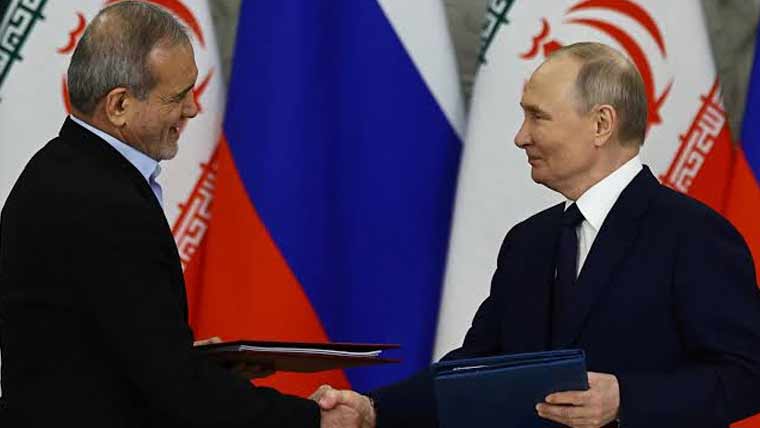
MOSCOW: Russia Iran Nuclear Deal agreements covering the construction of eight nuclear power units have highlighted expanding energy cooperation between Moscow and Tehran, with Russian state-owned nuclear corporation Rosatom outlining plans that include smaller nuclear power facilities and continued development of Iran’s Bushehr Nuclear Power Plant.
The agreements come as Iran pursues an ambitious strategy to increase nuclear electricity generation capacity to 20 gigawatts by 2041. Rosatom has also disclosed details about construction activities and Russian personnel involved in existing projects.
Russia Iran Nuclear Deal Expands Energy Cooperation
The latest agreements represent another development in the longstanding nuclear energy relationship between Russia and Iran.
According to the reported announcement from Rosatom, the agreements cover eight nuclear power units, including plans involving small nuclear power plants.
The announcement does not establish that all eight units are already under construction. Detailed implementation schedules, financing arrangements and individual project locations were not provided in the source report.
The Russia Iran Nuclear Deal reflects continued cooperation between the two countries in civilian nuclear technology, an area in which Russian expertise has played an important role in Iran’s electricity generation infrastructure.
Rosatom Advances Bushehr Nuclear Power Plant
Rosatom confirmed that construction work remains underway on the second and third units of the Bushehr Nuclear Power Plant.
Located along Iran’s Persian Gulf coast, Bushehr is a central component of the country’s civilian nuclear energy program.
Its first reactor was developed with Russian assistance, establishing a foundation for further cooperation between the two countries.
The additional units are intended to expand electricity generation capacity once construction, testing and commissioning are completed.
However, the latest announcement did not provide confirmed completion dates for these units.
Russian Specialists to Increase at Bushehr
The Russian corporation reported that 142 Russian specialists are currently working at the Bushehr construction site.
Rosatom also outlined plans to increase the number of Russian personnel involved in the project to 700.
That would represent an expansion of 558 specialists compared with the figure disclosed in the announcement.
The planned workforce increase suggests preparations for a larger construction and technical workload, although the company has not specified when the additional personnel will arrive.
Such projects require specialists in engineering, construction, reactor systems, safety procedures and technical supervision.
Iran Targets 20 Gigawatts of Nuclear Capacity
Iran has established a long-term objective of reaching 20 gigawatts of nuclear electricity generation capacity by 2041.
The target forms part of efforts to expand the country’s electricity supply and diversify its power generation infrastructure.
Nuclear power can provide continuous electricity generation, complementing other energy sources when facilities operate reliably.
Nevertheless, reaching the target would require substantial investment, construction capacity, specialized personnel and long-term regulatory oversight.
The Russia Iran Nuclear Deal could contribute to this objective, but the reported agreements alone do not establish how much capacity will ultimately be delivered or when.
Small Nuclear Power Plants Enter Expansion Plans
One notable element of the agreements is the inclusion of smaller nuclear power plant projects.
Small nuclear reactors are generally designed to generate less electricity individually than conventional large-scale nuclear units.
Depending on their design, such systems may offer different construction, deployment and infrastructure requirements.
However, their economic performance and practical advantages depend on technology, financing, regulatory approvals and project conditions.
Rosatom’s announcement did not identify the exact reactor models, proposed capacities or locations associated with Iran’s smaller nuclear projects.
Those details will be important in assessing how the facilities fit into the country’s broader energy strategy.
Strategic Importance and Future Outlook
The Russia Iran Nuclear Deal also carries broader significance because civilian nuclear cooperation between Moscow and Tehran operates within a sensitive international environment.
Iran’s nuclear activities have long attracted international scrutiny, particularly regarding safeguards, transparency and the distinction between civilian energy development and proliferation concerns.
Civilian nuclear electricity generation is not inherently evidence of nuclear weapons development.
Future progress on the announced projects will depend on construction milestones, financing, technical arrangements and applicable international safeguards.
For now, the agreements underscore Russia’s continuing role in Iran’s nuclear electricity sector and Tehran’s ambition to expand its generation capacity over the coming years.
The central development is the announcement of agreements covering eight nuclear power units, alongside ongoing construction at Bushehr and a proposed increase in Russian technical personnel.See More on Pulse Pakistan