Table of Contents
New Provinces have become a major political issue in Pakistan as the Pakistan Muslim League-Nawaz (PML-N) prepares to convene its Central Executive Committee (CEC) to discuss proposals for creating additional provinces and administrative units. The proposed meeting is also expected to consider holding a referendum to seek public opinion on the matter, amid growing differences among political parties.
PML-N Plans CEC Meeting on New Provinces
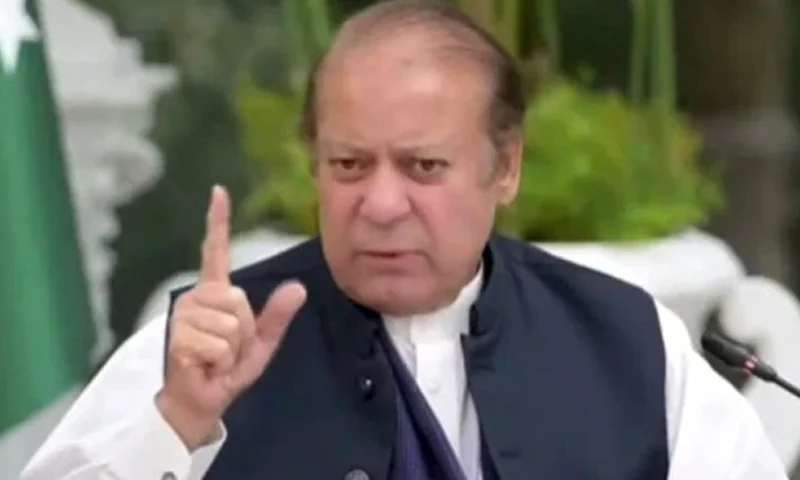
According to party sources, the PML-N is considering convening its Central Executive Committee meeting next week. Party leader and former prime minister Nawaz Sharif is expected to preside over the gathering.
The meeting is likely to provide a platform for senior party figures to exchange views on proposals concerning the restructuring of Pakistan’s administrative framework.
Discussions are expected to cover the possible creation of new provinces, the establishment of smaller administrative units and the political implications of seeking public support through a referendum.
The development comes as the debate over administrative restructuring has gained renewed momentum, with government representatives and political leaders offering different perspectives on how Pakistan’s governance system should be organised.
Nawaz Sharif and Senior Leadership Yet to Clarify Position
Although several senior PML-N figures have expressed their views on the creation of new provinces, the party’s most prominent leadership has so far avoided announcing a clear position.
Former prime minister Nawaz Sharif, Prime Minister Shehbaz Sharif and Punjab Chief Minister Maryam Nawaz have not publicly outlined their positions on the proposed changes.
Their stance will be closely watched as the party considers its approach to an issue that carries significant political, constitutional and administrative implications.
The proposed CEC meeting could help clarify the party’s position and determine how it intends to proceed with consultations involving other political stakeholders.
Khawaja Asif Signals Possible Referendum
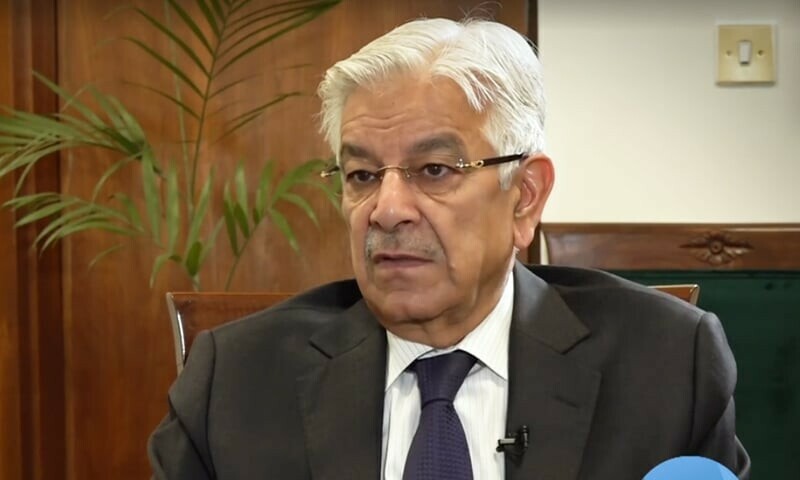
Defence Minister Khawaja Asif has indicated that the debate over new provinces could move towards a more concrete outcome around the end of the current year, with the process potentially advancing early next year.
Speaking on a television programme, Asif said discussions among political stakeholders were expected to take a definitive shape soon, although he avoided giving a specific date for a possible referendum.
He also emphasised the importance of preparing a joint document with input from all relevant stakeholders to minimise disagreements and develop an acceptable framework.
Asif maintained that constitutional procedures for amendments would have to be respected alongside any proposed referendum.
His remarks have added momentum to discussions about whether public consultation could help resolve disagreements over administrative restructuring.
PPP Rejects Division of Sindh
The Pakistan Peoples Party (PPP) has strongly opposed proposals that could result in the division of Sindh.
PPP leaders have maintained that the party will not accept any attempt to alter the province’s existing boundaries. The party has also rejected the proposed referendum as a means of deciding the province’s future.
PPP Sindh President Nisar Ahmed Khuhro previously stated that the party would resist any move to divide Sindh, arguing that the Constitution already provides a framework for addressing such matters.
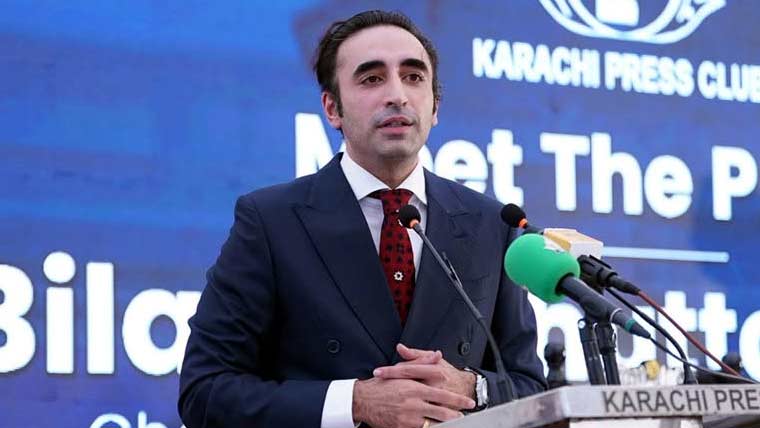
PPP Chairman Bilawal Bhutto-Zardari has also opposed the proposed division of provinces, warning against any attempt to impose changes without the consent of the affected population.
The Sindh Assembly has separately adopted a resolution rejecting proposals to divide the province or alter its territorial boundaries.
Constitutional and Political Challenges Ahead
The creation of new provinces involves more than political agreement. Any change to provincial boundaries must follow the constitutional amendment procedure.
Article 239(4) of Pakistan’s Constitution requires a constitutional amendment affecting the limits of a province to receive approval from at least two-thirds of the total membership of the provincial assembly concerned before it can be presented for presidential assent.
This requirement makes consensus among political parties and provincial stakeholders particularly important.
For the PML-N, the upcoming CEC deliberations could become an important step towards determining its political strategy on the issue.
However, differences between coalition partners, particularly over Sindh’s territorial integrity, remain a significant challenge.
Whether consultations lead to a mutually acceptable proposal or deepen political disagreements will depend on the willingness of parties to reach consensus while respecting constitutional requirements.See More on Pulse Pakistan