Table of Contents
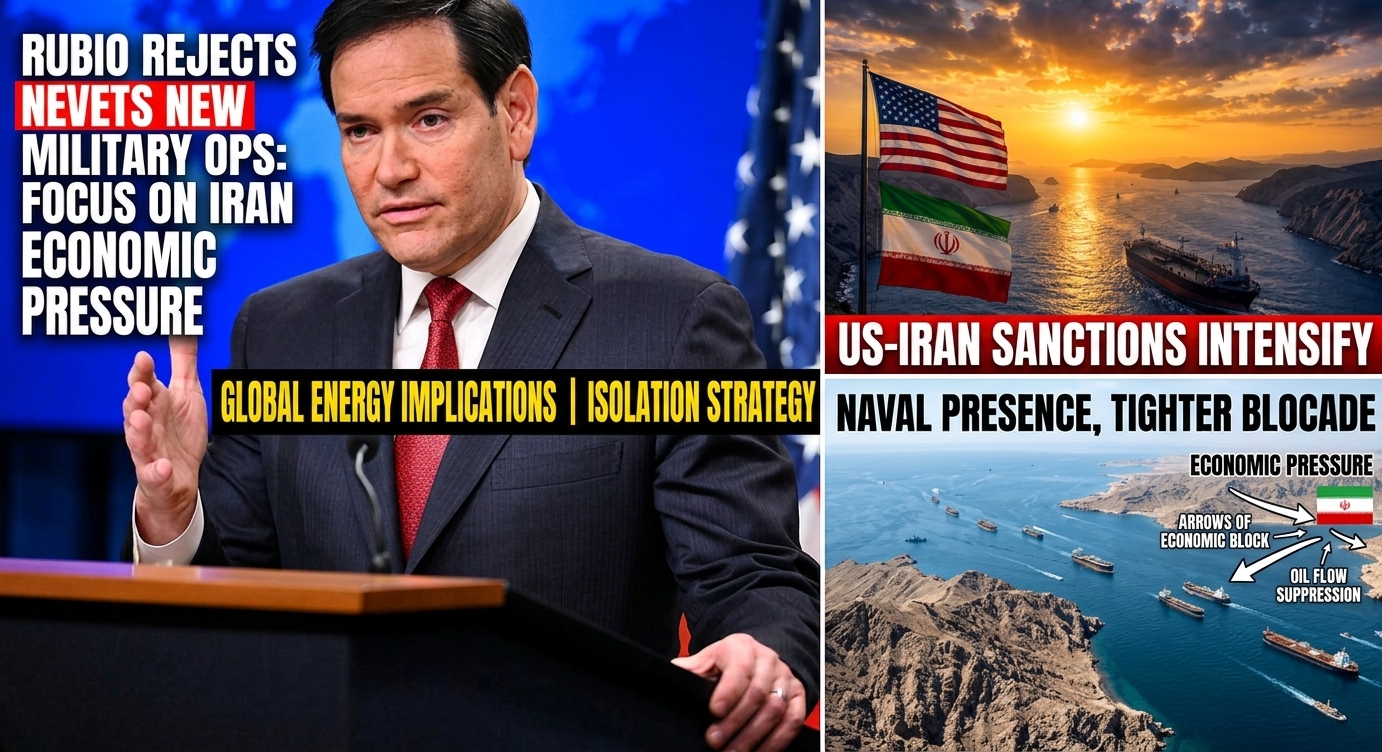
US economic pressure on Iran is becoming a central part of Washington’s strategy as the Trump administration signals that further large-scale military operations may not be necessary. US Secretary of State Marco Rubio says economic sanctions and a naval blockade are inflicting significant damage on Tehran, while diplomatic contacts through intermediaries continue amid tensions over a possible agreement.
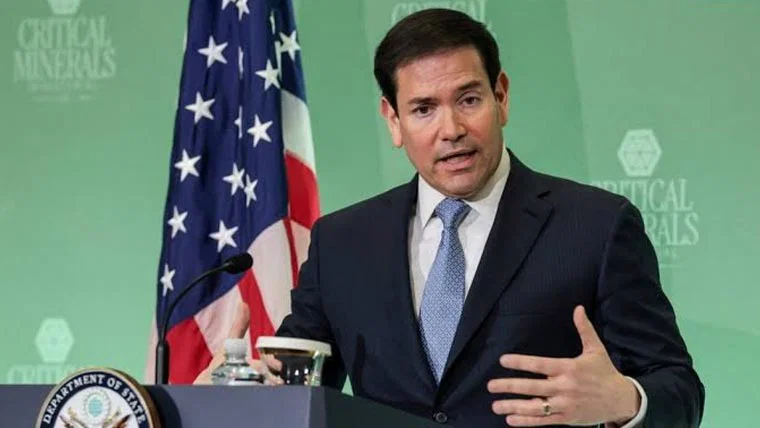
Speaking to reporters in Paris on November 10, Rubio defended the administration’s approach, arguing that economic measures are achieving objectives that would otherwise require additional military action.
His remarks came during meetings with foreign ministers from the Group of Seven (G7), as Washington considers its next steps in dealing with Iran.
US Shifts Towards Economic Pressure on Iran
Rubio said the United States does not currently need to resume major combat operations against Iran because the economic campaign is producing substantial results.
According to Reuters, the secretary of state told reporters that the economic damage being inflicted on Iran was growing and that Washington could achieve its objectives through economic means rather than additional military strikes.
He also indicated that President Donald Trump had received similar assessments from regional allies in the Middle East.
The comments suggest that the administration is placing greater emphasis on financial restrictions, sanctions and maritime pressure as it seeks to influence Tehran’s decisions.
Rubio rejected the suggestion that avoiding further military action would amount to a stalemate, arguing that economic pressure offered Washington an alternative way to pursue its strategic objectives.
Rubio Defends Sanctions and Naval Blockade
The US secretary of state described the economic campaign against Iran as increasingly effective, particularly because of restrictions affecting the country’s ability to sell energy internationally.
He said the naval blockade was producing positive results and that the administration intended to maintain pressure on Tehran.
The strategy reflects Washington’s effort to weaken Iran’s economic capacity without immediately returning to an expanded military campaign.
Reuters reported that Rubio had briefed G7 counterparts on the effectiveness of the sanctions and maritime restrictions.
The administration believes these measures can increase pressure on the Iranian leadership while keeping additional military options available if circumstances change.
Iran’s Demands Complicate Negotiations
Despite the economic pressure, diplomatic communication between Washington and Tehran has not completely stopped.
Rubio acknowledged that different countries were continuing to engage with Iran through diplomatic channels and intermediaries.
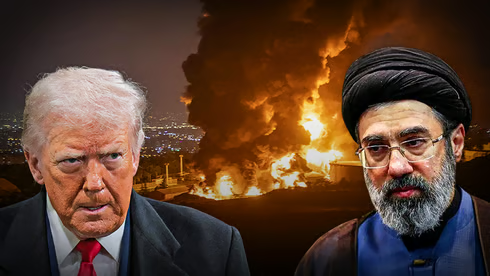
However, he expressed serious reservations about Tehran’s negotiating position, describing its demands as unacceptable and unrealistic.
Iran has reportedly sought compensation for wartime damage, an end to sanctions and the lifting of restrictions associated with the conflict.
Washington, meanwhile, has shown little willingness to accept conditions it considers incompatible with its objectives.
Rubio maintained that the United States would not agree to an unfavourable agreement simply to bring the confrontation to an end.
The diplomatic challenge is therefore to find common ground while both sides continue to maintain competing demands.
Strait of Hormuz Remains Strategically Important
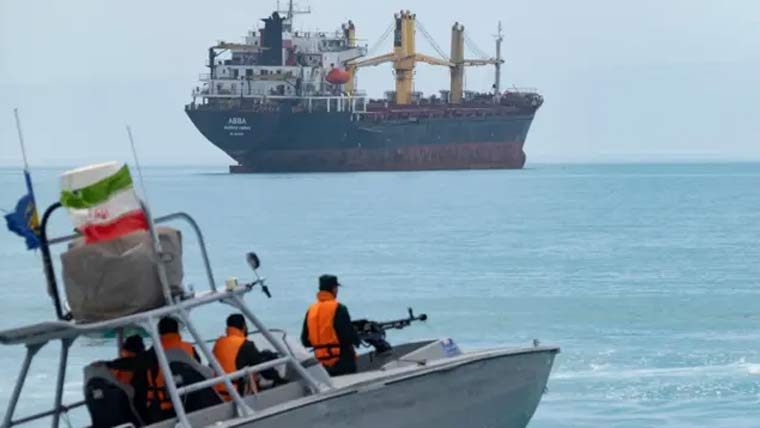
The Strait of Hormuz remains one of the most important elements of the confrontation because of its significance for international energy supplies.
A substantial volume of global oil trade normally passes through the narrow waterway, making any disruption a concern for energy-importing countries and international markets.
Rubio indicated that oil shipments through the strait were continuing, while Washington’s maritime restrictions remained part of its broader strategy against Iran.
The situation has wider economic implications because uncertainty surrounding the waterway can affect shipping costs, energy prices and international trade.
For countries dependent on imported oil, developments in the Gulf remain particularly important.
US Warns Tehran Against Further Escalation
Rubio also warned that Iran would face serious consequences if it chose to intensify the confrontation.
Washington’s position indicates that avoiding another major military campaign does not mean abandoning its pressure strategy or ruling out a response to future threats.
The administration is maintaining economic restrictions while leaving diplomatic channels open.
This combination of economic pressure and diplomatic engagement reflects an attempt to secure concessions without immediately expanding military involvement.
However, the possibility of renewed confrontation remains a concern as negotiations continue without a clear breakthrough.
Rubio Discusses Ukraine and Russia
During his Paris engagements, Rubio also addressed the ongoing Russia-Ukraine conflict and relations between Washington and European governments.
He said the United States and Europe shared important objectives regarding the conflict and emphasised that European countries were participating in the diplomatic process.
His comments came as G7 foreign ministers discussed international security, the war in Ukraine and tensions involving Iran.
European governments have repeatedly stressed that they should have a meaningful role in any negotiations concerning Ukraine’s future security arrangements.
The discussions in Paris highlighted the importance of coordination between Washington and its European partners on major international challenges.
A Strategy Focused on Pressure and Diplomacy
Rubio’s latest remarks indicate that Washington currently sees economic pressure as a major instrument for dealing with Tehran.
While the United States is not signalling an immediate return to large-scale military operations, sanctions, maritime restrictions and diplomatic negotiations remain central to its approach.
Whether these measures will persuade Iran to accept Washington’s conditions remains uncertain.
For now, the confrontation continues to be shaped by competing demands, economic restrictions and efforts to prevent another major escalation in the region.See More on Pulse Pakistan