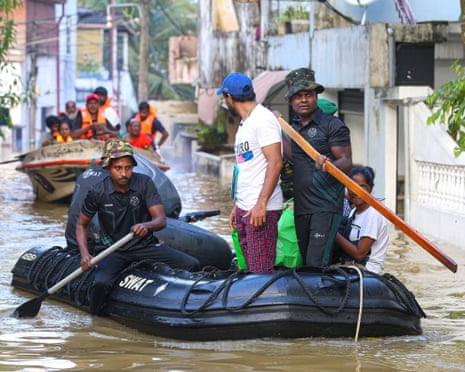
Pakistan Ships Aid to Sri Lanka After India Blocks Airspace Amid Cyclone Crisis
Pakistan has dispatched 200 tonnes of humanitarian relief supplies to Sri Lanka by sea after India refused permission for the aircraft to use its airspace, forcing Islamabad to reroute the mission as Colombo battles the aftermath of a devastating cyclone.
Nearly 465 people have lost their lives, 366 remain missing, and more than 1.5 million have been affected as Cyclone Ditwah triggered landslides and floods across Sri Lanka. The storm, described as the country’s deadliest disaster since the 2004 tsunami, prompted President Anura Kumara Dissanayake to declare a state of emergency and appeal for international assistance.
Pakistan’s Support Despite Airspace Hurdle
The Foreign Office confirmed that the relief cargo—carrying essential supplies for affected communities—was sent via sea after the Indian government denied an overflight request.
A departure ceremony was held in Islamabad, attended by Minister of State for Finance Bilal Azhar Kayani and Sri Lankan High Commissioner Admiral Ravindra C. Wijegunaratne. The ministry reiterated that Pakistan “stands in full solidarity with the people of Sri Lanka” in their moment of tragedy.
PM Shehbaz Expresses Condolences in Call With Sri Lankan President
Prime Minister Shehbaz Sharif spoke by phone with President Dissanayake, offering condolences over the widespread loss of life and property. He praised Sri Lankan authorities and rescue workers for their rapid response under extremely challenging circumstances.
The prime minister later wrote on X that Pakistan, as a “neighbor and brotherly country,” would continue supporting Sri Lanka’s relief efforts.
Regional Crisis Deepens as Monsoon Rains Batter Multiple Countries
The cyclone and intense monsoon rains also struck Indonesia’s Sumatra, southern Thailand and northern Malaysia, contributing to a regional humanitarian emergency. Across four countries, more than 1,300 deaths have been reported as governments and aid organizations race to reach isolated communities.
Experts say climate change is amplifying such extreme weather events, with warmer oceans and a moisture-loaded atmosphere intensifying storms across South Asia and Southeast Asia.