Table of Contents
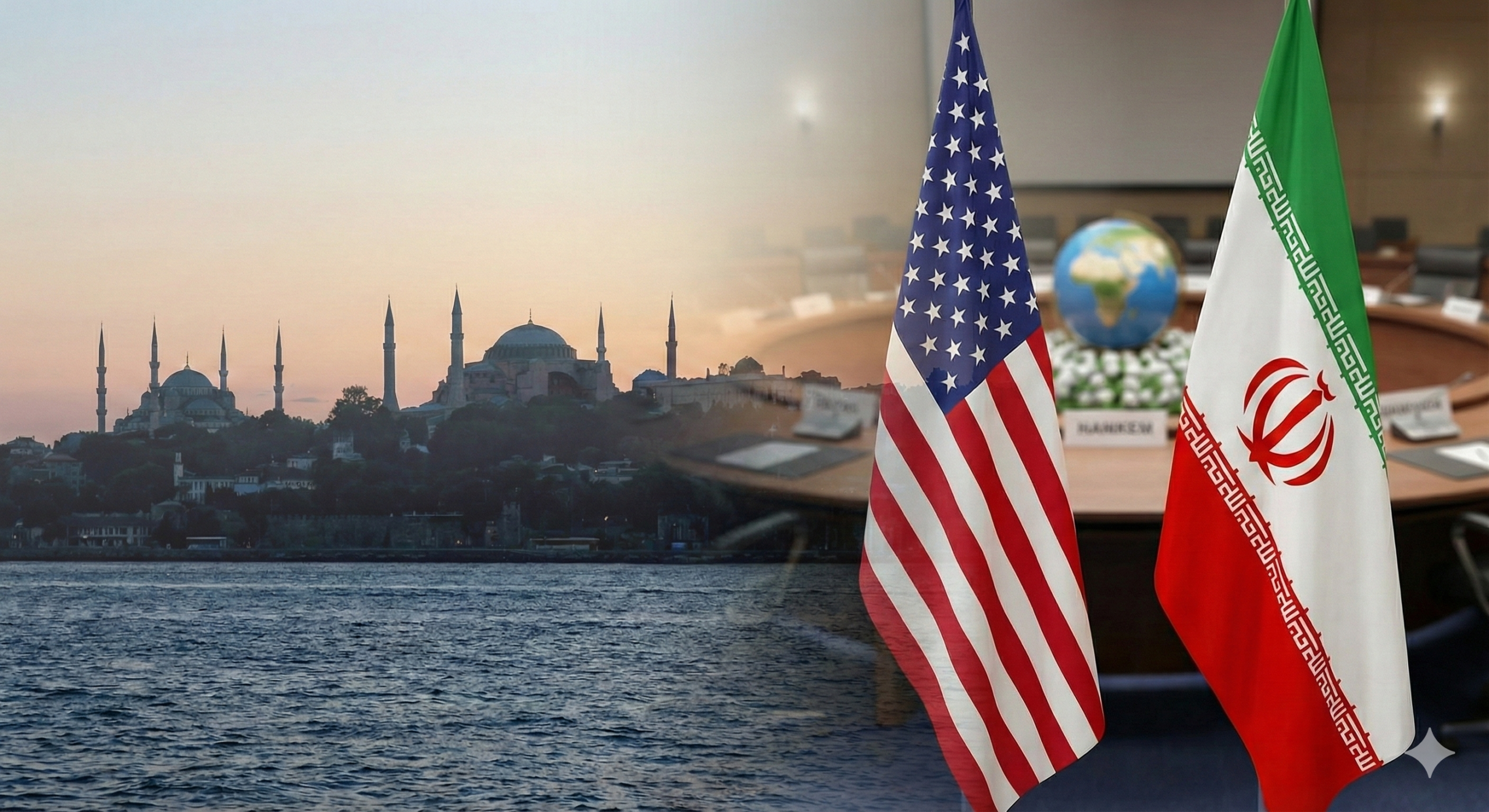
Iran-US nuclear talks are set to resume on Friday in Istanbul, marking a renewed diplomatic effort to ease one of the Middle East’s most enduring and volatile disputes. Officials from Tehran and Washington confirmed the meeting, while regional diplomats said several Middle Eastern countries would also participate, underscoring the high stakes surrounding Iran’s nuclear programme and regional stability.
The talks will bring together US Special Envoy Steve Witkoff and Iranian Foreign Minister Abbas Araqchi. The Istanbul meeting is widely seen as an attempt to revive stalled negotiations and reduce fears of a broader regional conflict following months of escalating rhetoric and military posturing.
Regional Powers Join Diplomatic Push
A regional diplomat told international media that representatives from Qatar, Saudi Arabia, the United Arab Emirates, Egypt, and several other countries would attend parallel meetings in Istanbul. These sessions are expected to include bilateral and trilateral discussions aimed at supporting de-escalation and encouraging compromise between Tehran and Washington.
Turkey, which is hosting the nuclear talks, has positioned itself as a mediator and has repeatedly called for diplomacy over confrontation. Regional governments have also expressed concern that further escalation could destabilise energy markets and regional security.
Rising Military Tensions in the Gulf
The renewed diplomatic effort comes amid heightened tensions, including a noticeable US naval buildup near Iran’s coastline. Washington has increased its military presence following deadly anti-government protests in Iran last month, the most severe unrest since the 1979 revolution.
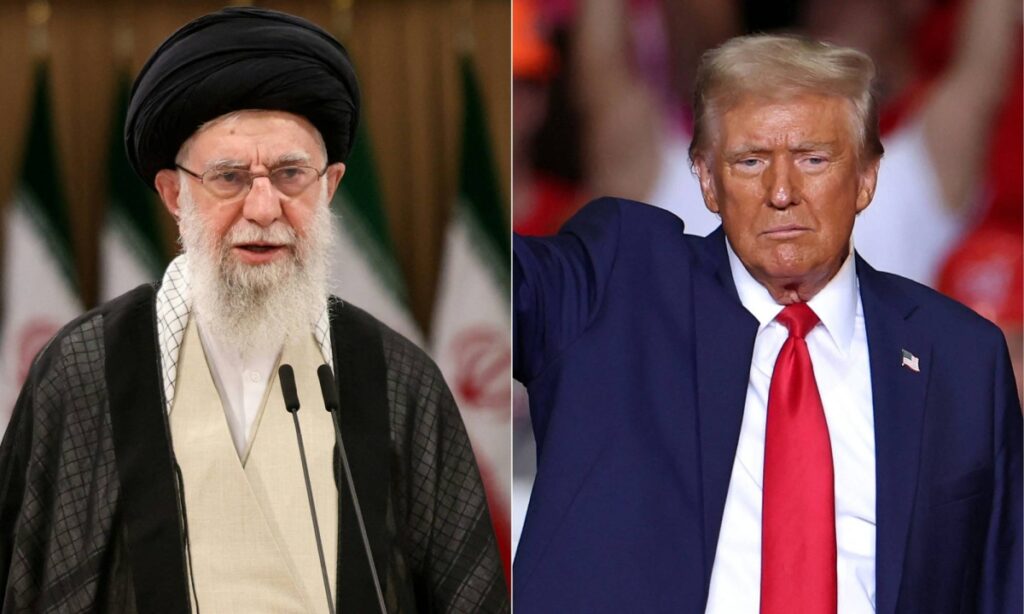
US President Donald Trump, who previously threatened intervention but stopped short of direct action, has since pressed Tehran to make nuclear concessions. He has described recent communications as “serious,” while Iran’s senior officials have acknowledged that preparations for renewed nuclear talks are underway.
Key Demands and Sticking Points
According to Iranian sources, Washington has outlined three core demands: zero uranium enrichment inside Iran, limits on Tehran’s ballistic missile programme, and an end to its support for regional proxy groups. Iran has consistently rejected these conditions, calling them violations of its sovereignty.
However, Iranian officials indicated there may be room for flexibility. One senior official said Tehran could consider handing over approximately 400 kilograms of highly enriched uranium and pausing enrichment under a multinational consortium arrangement. In return, Iran is seeking the lifting of economic sanctions and the withdrawal of US military assets from near its borders.
Nuclear Sites and International Concerns
The nuclear dispute remains deeply complicated by unresolved questions surrounding Iran’s nuclear facilities and the true extent of the damage sustained. Satellite imagery reviewed by international analysts indicates only limited repair and reconstruction activity at key sites, including Isfahan and Natanz. These facilities were hit during US action last year, which followed an Israeli bombing campaign, adding further layers of tension, uncertainty, and mistrust to an already fragile and highly sensitive nuclear standoff.
The UN nuclear watchdog has repeatedly asked Iran to clarify the status of its enriched uranium stockpile since those strikes. Western governments remain concerned that Iran’s enrichment capabilities could be diverted toward weapons development, a claim Tehran denies, insisting its programme is strictly civilian.
What Comes Next for US-Iran Diplomacy
After multiple rounds of nuclear talks stalled since 2023, the Istanbul meeting represents a potential turning point. Iranian officials stress that negotiations should proceed without preconditions, while Washington maintains that meaningful concessions are essential.
As one Iranian source put it, diplomacy is moving forward, but the next steps depend on decisions in Washington. With regional powers now directly involved, the outcome of the Istanbul nuclear talks could shape the future of Iran-US nuclear talks and the broader security landscape of the Middle East.