Table of Contents
Full News Article
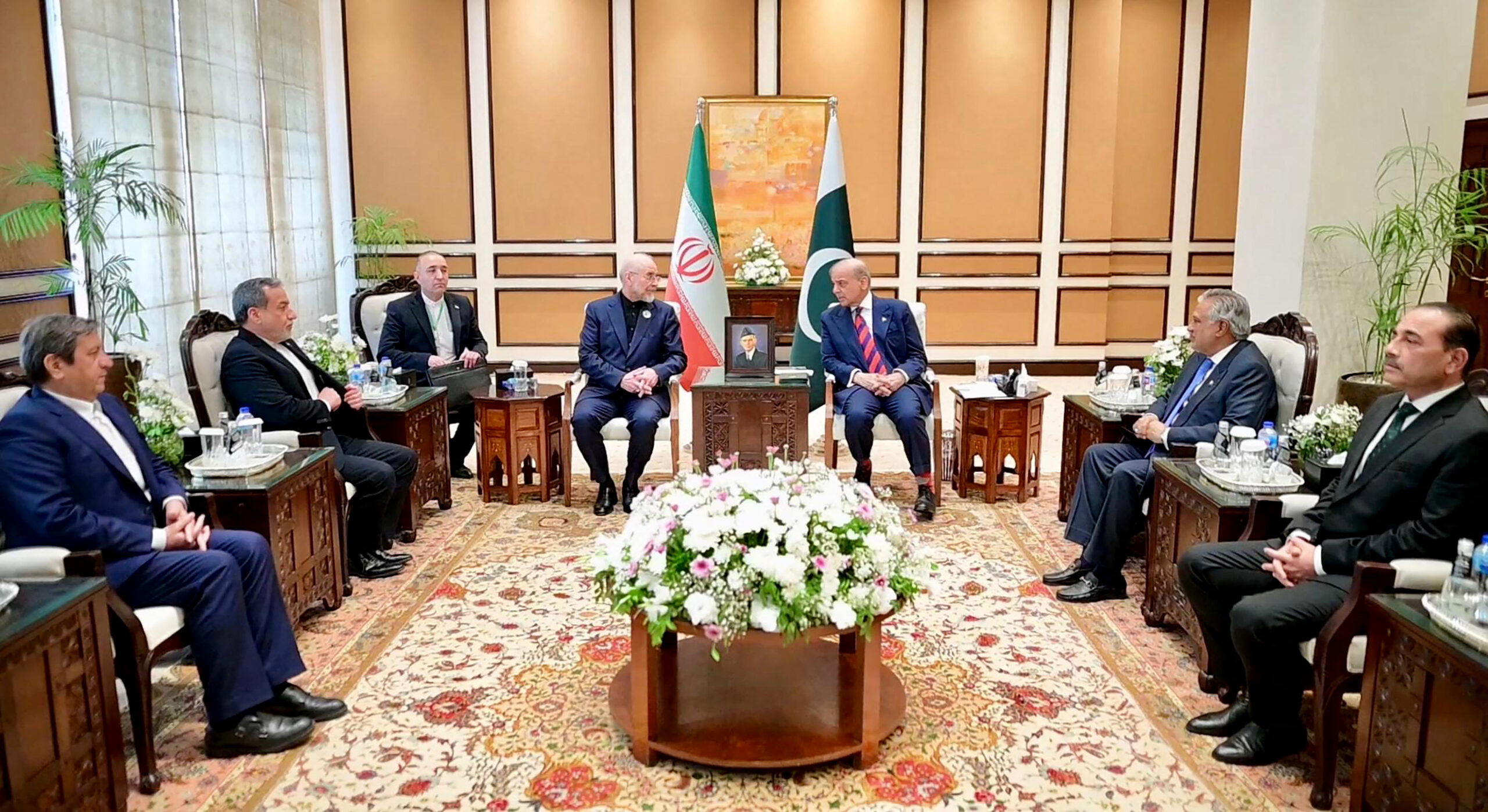
Iran US Talks are entering a critical phase as renewed diplomatic engagement between Tehran and Washington unfolds, with Pakistan emerging as a key facilitator in the high-stakes negotiations. Political analyst Tahir Javed has highlighted the growing significance of these talks, emphasizing both the complexity of the process and the broader geopolitical implications.
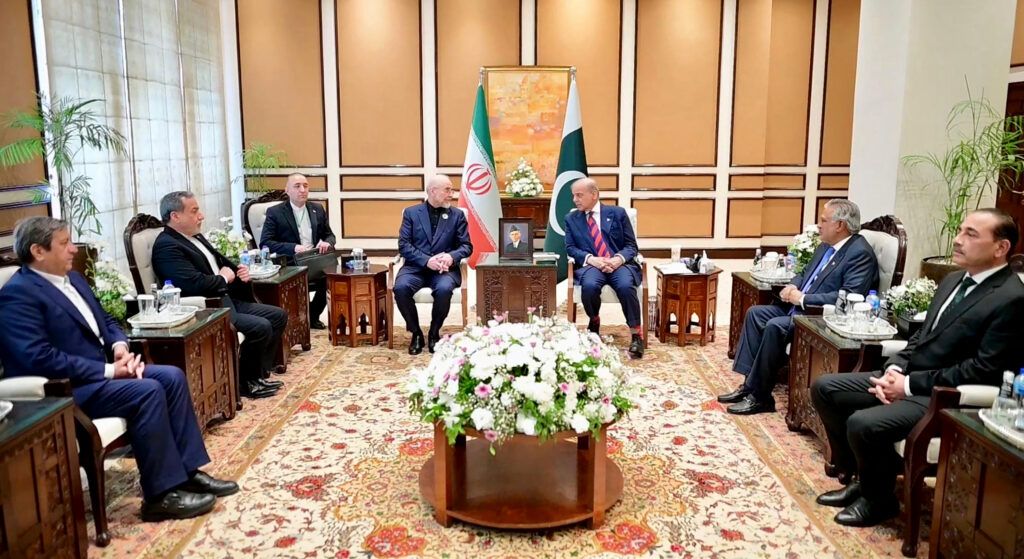
In recent discussions aired on Aik News, Javed outlined how indirect negotiations between Iran and the United States are progressing cautiously. He stressed that any meaningful breakthrough will require a phased, multi-day dialogue rather than an immediate agreement, as both sides navigate sensitive political and economic issues.
Pakistan’s Emerging Diplomatic Role
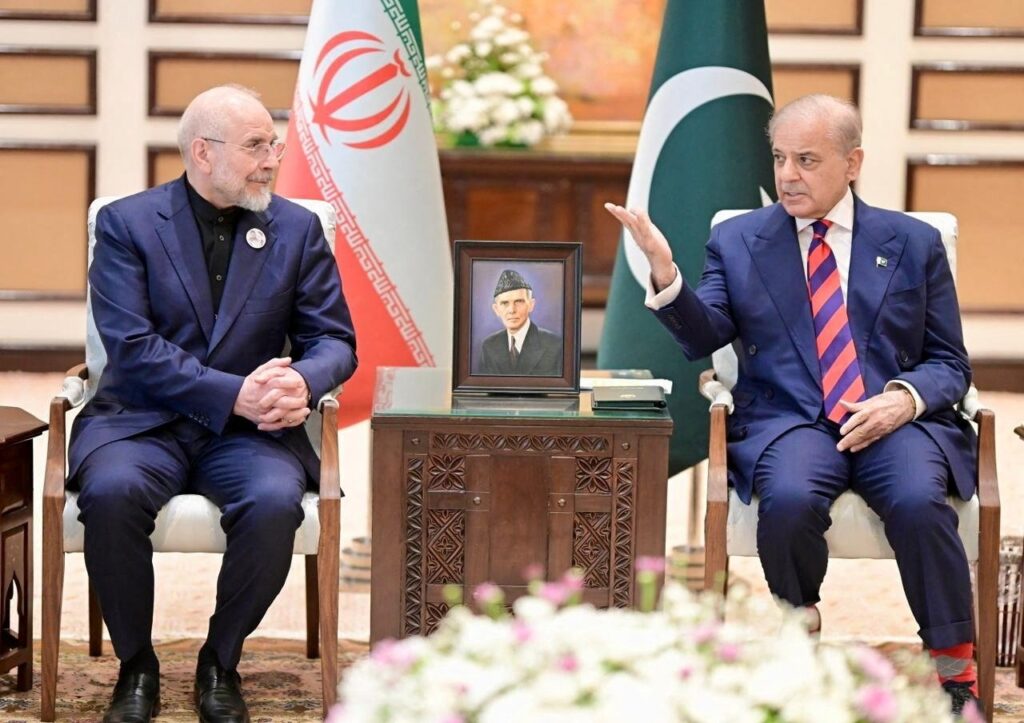
Pakistan’s role as a mediator has been described as a major diplomatic achievement. Speaking on 92 News, Tahir Javed noted that successfully bringing both nations to the negotiating table reflects Islamabad’s growing credibility in global conflict resolution.
He emphasized that coordinated efforts by state institutions have enabled Pakistan to host and facilitate these discussions, positioning the country as a neutral ground for dialogue. The development is being viewed as a positive step toward improving Pakistan’s international image and diplomatic standing.
Step-by-Step Negotiation Strategy
According to Javed, the Iran US Talks are expected to follow a gradual, structured process. He explained on Aik News that both sides are likely to prioritize confidence-building measures before addressing more contentious issues.
While sanctions relief may be relatively easier for Washington to implement, the unfreezing of Iranian financial assets remains a key sticking point. This issue continues to serve as a major source of leverage in the negotiations.
Strait of Hormuz and Global Risks
A major concern raised during the discussions is Iran’s stance on the Strait of Hormuz, one of the world’s most critical oil transit routes.
Javed warned that proposals to impose heavy transit fees on commercial shipping could have far-reaching economic consequences. He described such measures as unrealistic, noting that they could trigger global inflation and disrupt international trade flows.
He argued that resolving disputes related to the Strait would require multilateral consensus, as unilateral actions could escalate tensions and destabilize global markets.
Nuclear Program and Security Concerns
The longstanding issue of Iran’s nuclear program remains central to the Iran US Talks. Javed highlighted a renewed willingness from both sides to re-engage in a controlled negotiation framework.
Despite previous agreements collapsing, current signals suggest a more pragmatic approach, with both Tehran and Washington appearing open to compromise under international oversight.
JD Vance’s Strategic Involvement
A notable development in the talks is the involvement of JD Vance, whose participation signals a shift in U.S. diplomatic strategy.
Javed explained that Vance’s engagement reflects an attempt to move away from more aggressive policy approaches and toward dialogue-driven solutions. He also suggested that this role could have significant implications for Vance’s political trajectory, as successful diplomacy may strengthen his position domestically and internationally.
Regional Challenges and Global Stakes
While optimism surrounds the talks, several challenges remain. Javed pointed out that regional actors, including Israel and India, may have reservations about the negotiations and Pakistan’s growing diplomatic influence.
He also noted that internal political pressures within the United States, including concerns from Congress, could impact the pace and direction of the talks.
Outlook and Long-Term Impact
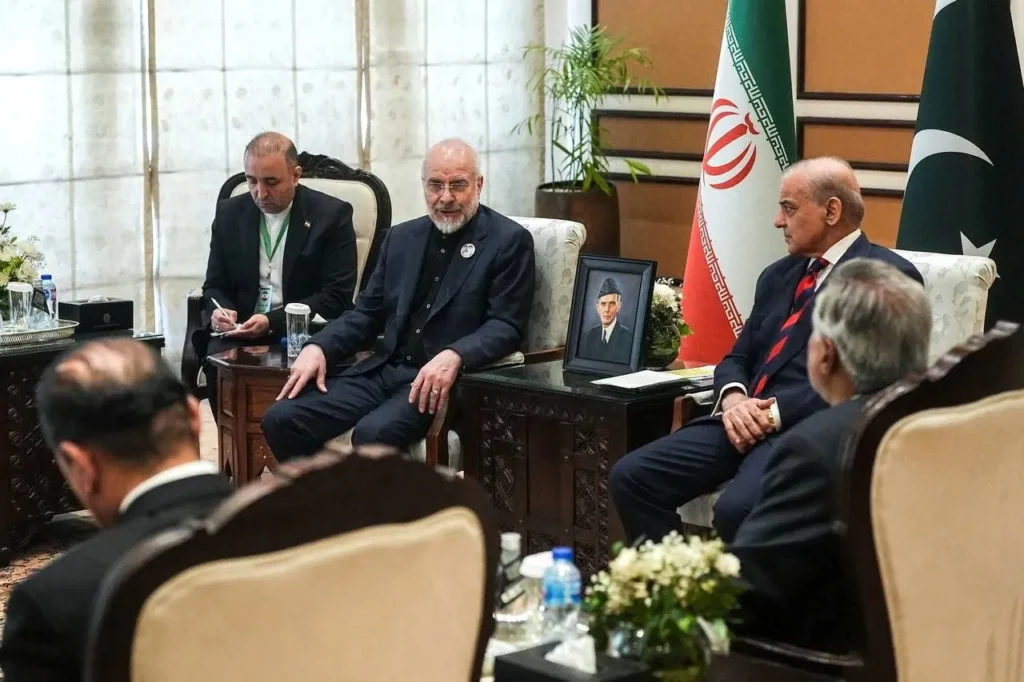
Despite uncertainties, Javed described the ongoing Iran US Talks as a potential “win-win” scenario. Even without a final agreement, the dialogue process is helping both sides clarify their positions and explore possible compromises.
He suggested that a successful outcome could provide Iran with long-term economic relief and stability, potentially boosting its global standing. Drawing a historical parallel, Javed compared the potential agreement to the Treaty of Hudaybiyyah, describing it as a strategic step toward sustainable peace.
As diplomatic efforts continue, Pakistan’s role as a mediator may prove pivotal in shaping the future of regional stability and international relations.