Table of Contents
Strait of Hormuz tensions deepen as Gulf nations raise alarm
Growing Strait of Hormuz tensions are once again placing the Gulf region under intense international scrutiny after Qatar warned Tehran against using the critical waterway as leverage against neighboring states. The warning comes as Britain announced a new military deployment to protect shipping lanes amid fears that the fragile US-Iran truce could collapse.
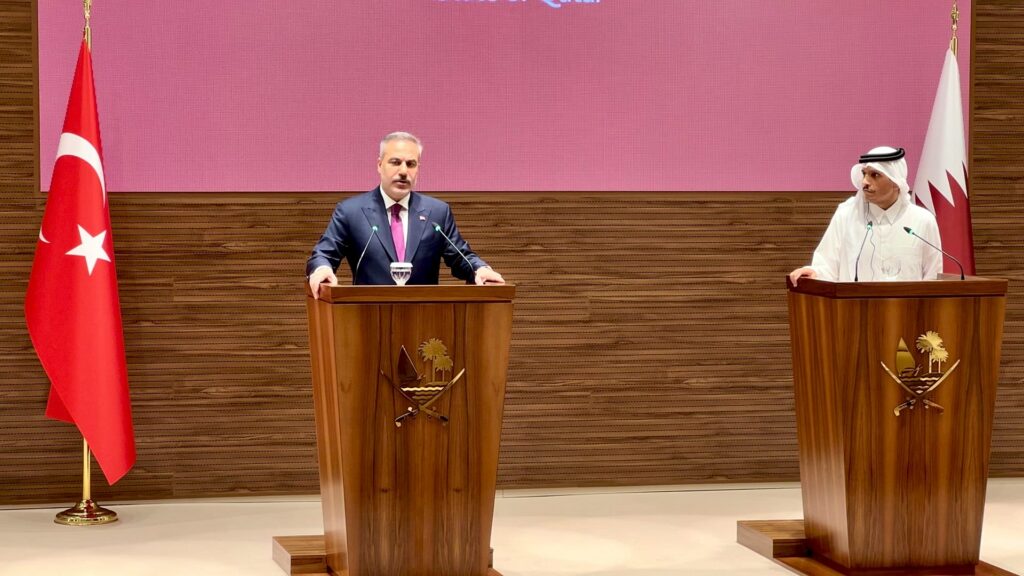
Qatar warns Iran against regional “blackmail”
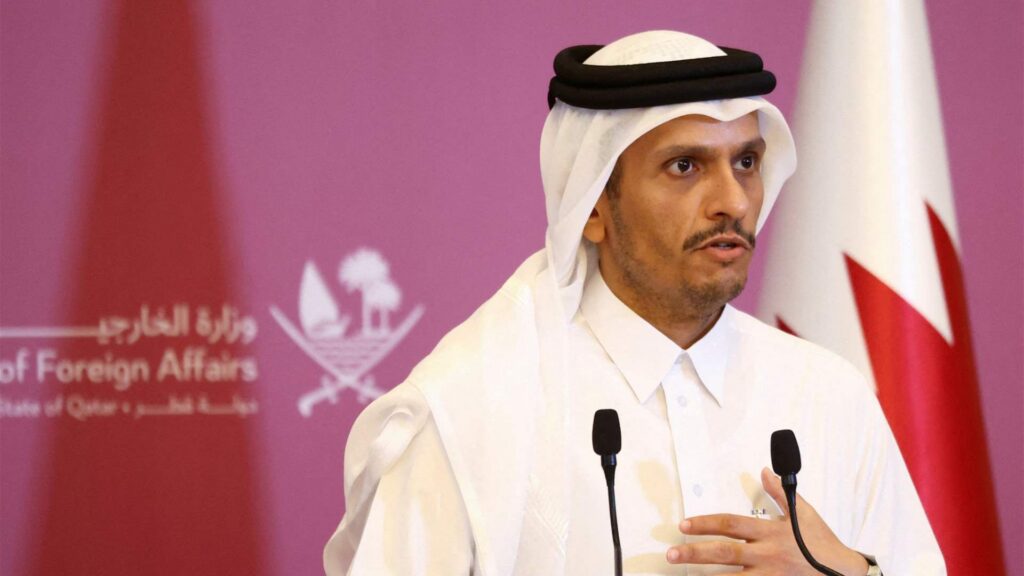
Qatar issued a strong diplomatic message urging Iran not to use the Strait of Hormuz as a political pressure tool against Gulf countries. The comments emerged after statements linked to Iran’s Revolutionary Guard Corps suggested shifting interpretations regarding the strategic waterway’s operational boundaries.
According to Iranian media reports, a deputy political director within the IRGC Navy stated that historical definitions of the strait had evolved over time. Although no direct threat was issued, the remarks sparked concern across Gulf capitals already monitoring heightened regional instability.
Qatar’s response signals growing unease among Gulf Cooperation Council states over the possibility of escalating maritime tensions that could disrupt global energy markets and regional trade routes.
UK deploys military assets to secure shipping routes
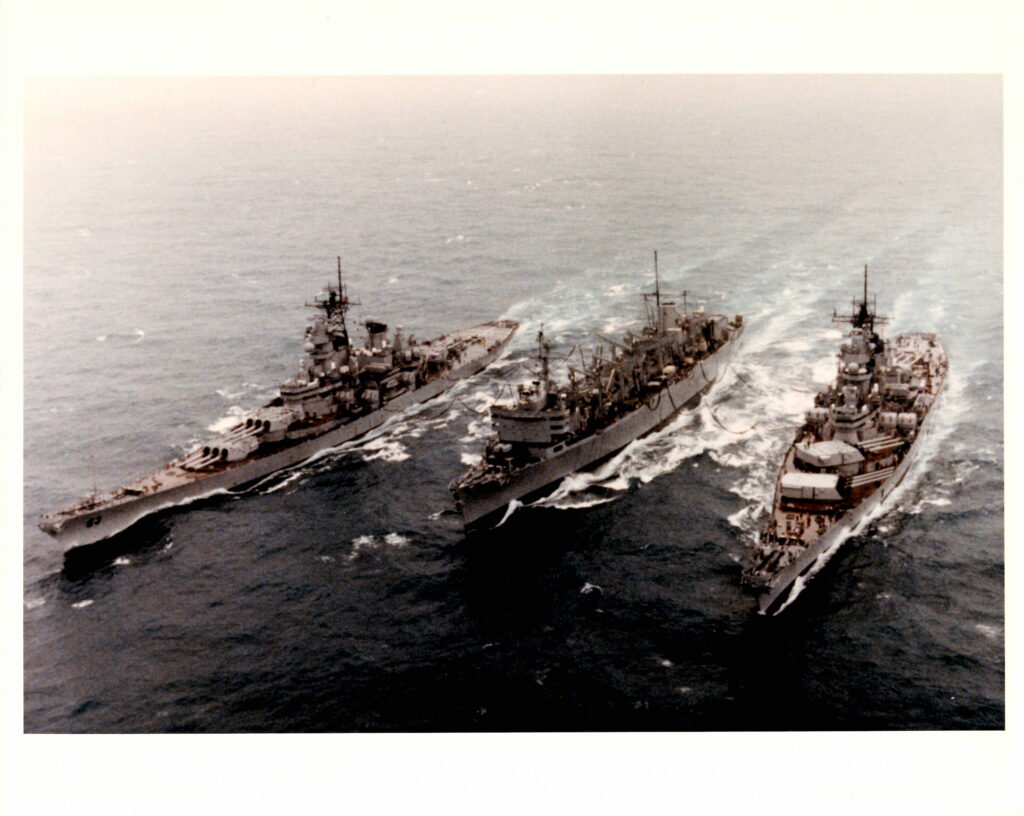
Amid increasing uncertainty, the United Kingdom confirmed that it would contribute additional military resources to a multinational maritime security operation focused on the Strait of Hormuz.
British authorities announced plans to deploy autonomous mine-hunting systems, Royal Air Force Typhoon fighter jets, and the Royal Navy destroyer HMS Dragon as part of the mission aimed at protecting commercial shipping traffic.
The UK government said the deployment is intended to ensure freedom of navigation and deter potential threats against vessels moving through one of the world’s busiest oil transit corridors.
Security analysts believe the move reflects broader Western concerns that any disruption in the Gulf could severely impact global energy supplies and international shipping stability.
Why the Strait of Hormuz Matters
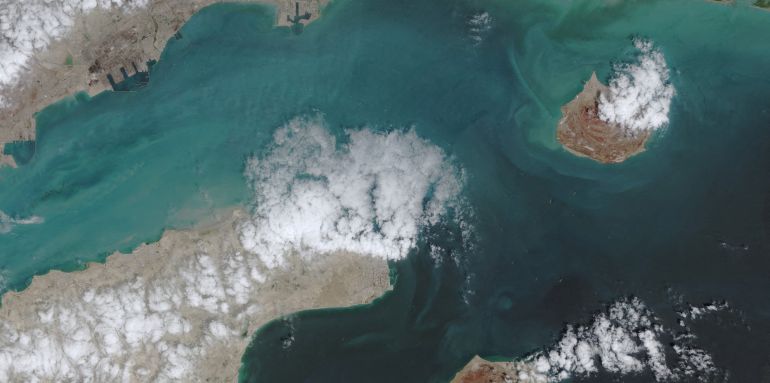
The Strait of Hormuz is one of the most critical maritime chokepoints in the world, through which a large portion of global oil exports passes. It connects the Persian Gulf to international waters, making it essential for global energy trade and supply chains.
Economic Impact of Tensions
Any instability or escalation in the region can quickly disrupt oil flows, leading to higher fuel prices worldwide. It also increases shipping and insurance costs, affecting global trade and putting pressure on both businesses and consumers, especially in energy-dependent countries.
Global and Geopolitical Concerns
Regional observers and geopolitical experts note that even indirect threats involving the Strait of Hormuz frequently trigger strong reactions from international markets and military alliances. Countries that heavily depend on Gulf oil imports, particularly in Asia and Europe, remain highly sensitive to developments in the region. Military activity, diplomatic disputes, or increased naval deployments near the strait often lead to heightened security measures and emergency consultations among allied nations. The strategic importance of the waterway means that tensions there are rarely viewed as a local issue alone; instead, they are considered a matter of international concern with the potential to impact energy security, trade routes, and broader geopolitical stability across multiple regions of the world.
US-Iran truce faces renewed pressure
The latest developments also place additional strain on the already fragile ceasefire understandings between Washington and Tehran. While diplomatic channels remain open, repeated security warnings and military deployments are fueling fears that miscalculations in the Gulf could lead to wider confrontation.
Western allies are increasingly emphasizing defensive coordination while Gulf states continue urging restraint from all parties involved.
Despite the tense atmosphere, international diplomats continue pushing for de-escalation measures to prevent any interruption to maritime commerce or regional stability.
As global attention turns back to the Gulf, the evolving Strait of Hormuz tensions are expected to remain a major geopolitical flashpoint in the coming weeks.