Table of Contents
Full News Article
Trump Issues Stern Warning to Global Powers
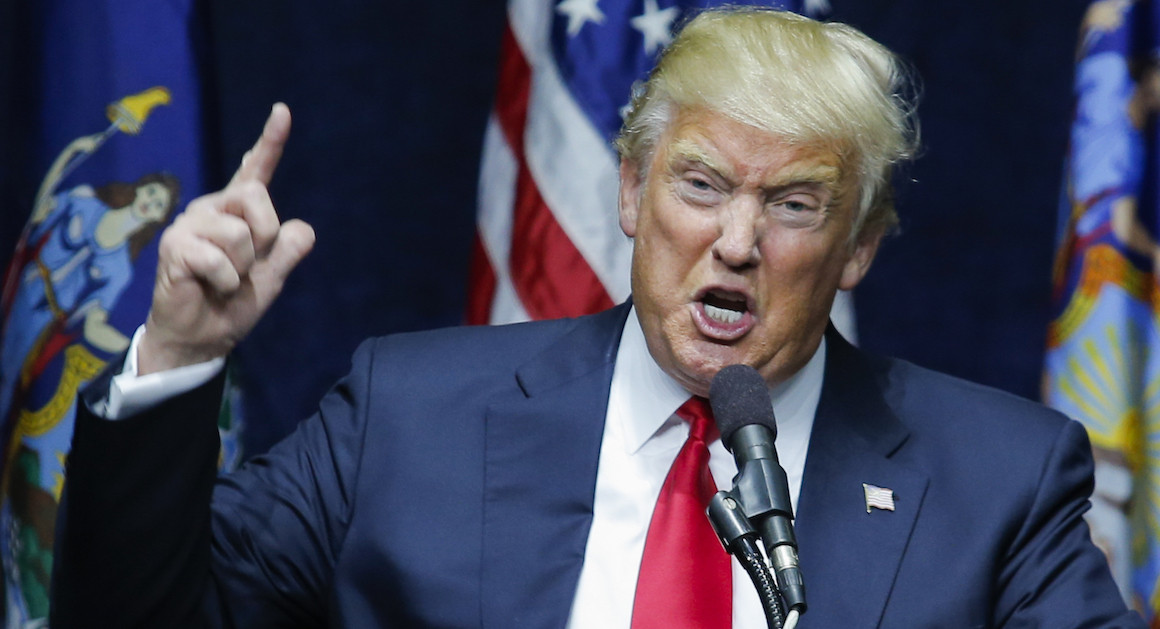
Trump Iran Warning dominates headlines as President Donald Trump challenges countries that have not supported US-led strikes against Iran. Speaking on Truth Social, he called on nations like the United Kingdom and France to secure their own energy supplies and “learn to fight for yourself,” criticizing their limited engagement.
The remarks come as Iran effectively blocked traffic through the Strait of Hormuz, a key oil shipping route, following a month of escalating conflict that has disrupted energy markets worldwide.
US Military Strategy and Diplomatic Moves
US Secretary of War Pete Hegseth described the next days as decisive, noting desertions and morale issues in the Iranian military. The US has left its options open, including potential troop deployments inside Iran, while maintaining strategic unpredictability.
Top US General Caine reinforced that while the US prefers diplomacy, military readiness remains high. These statements come as Trump seeks to pressure Iran to comply with US objectives without directly reopening the Strait of Hormuz by force.
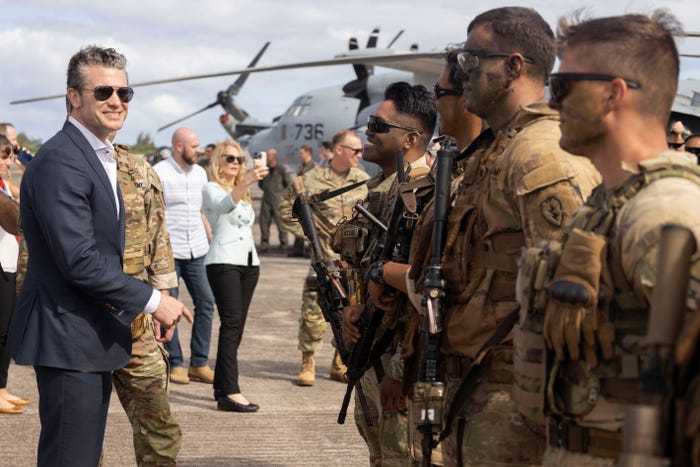
The Trump Iran Warning has sent shockwaves across the Middle East, influencing military strategies and alliances in the region.
Iran Targets Dubai Oil Tanker
Tensions intensified after Iran struck the Kuwait-flagged oil tanker Al-Salmi off Dubai, causing fire and hull damage. The tanker, carrying roughly 2 million barrels of crude oil valued at over $200 million, represents a major disruption to global energy flows.
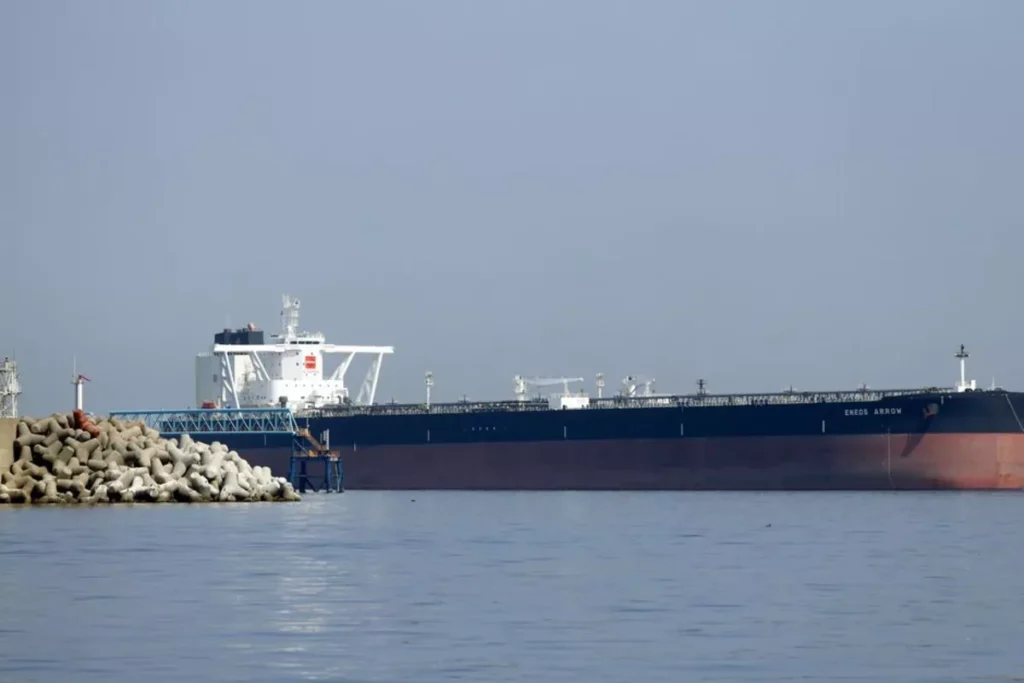
Dubai authorities contained the blaze, and no injuries were reported. This attack follows multiple missile and drone strikes on Gulf vessels since US-Israeli operations against Iran began on February 28.
Economic Fallout: Oil Prices Soar
Global oil prices spiked after the tanker attack, briefly surpassing $101 per barrel, while US gasoline prices rose above $4 per gallon — the highest in three years. The surge adds pressure on households and political scrutiny for the Trump administration ahead of the November midterms, highlighting the conflict’s economic impact.
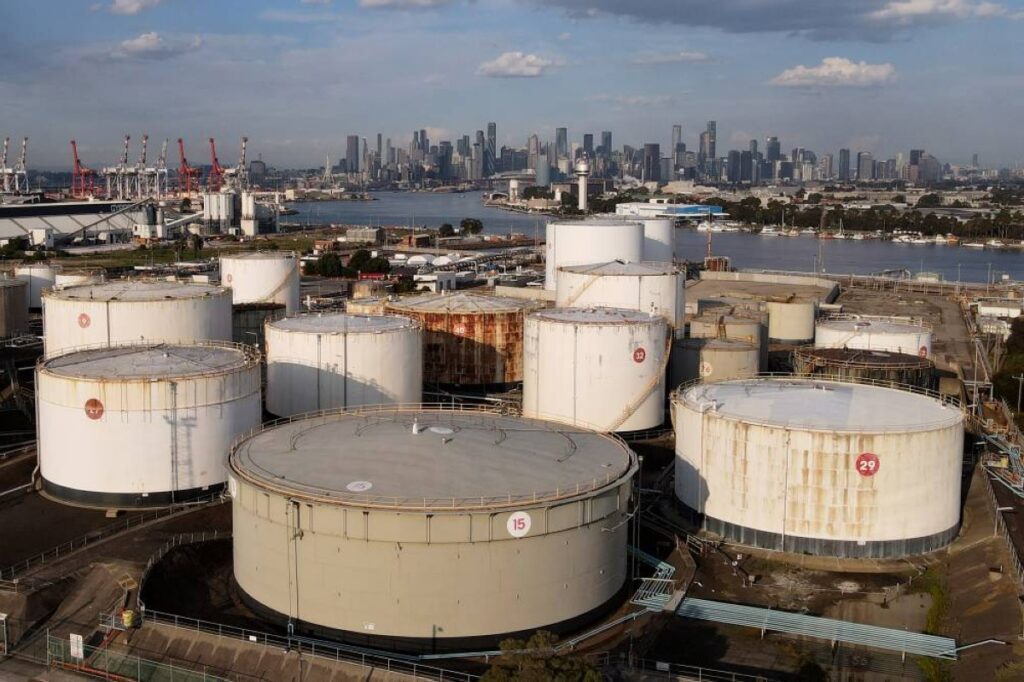
Analysts say the Trump Iran Warning directly affected energy markets, pushing crude prices higher and creating uncertainty for global oil supplie
International Reactions and EU Calls for Restraint
The European Union has urged restraint. European Council President Antonio Costa called the situation “extremely dangerous” and emphasized civilian protection and adherence to international law. Spain and Italy have denied US military access to key bases, signaling cautious European involvement.
Costa urged Iran to stop attacks and engage diplomatically via the UN to maintain freedom of navigation in the Strait of Hormuz. The EU reaffirmed readiness to support diplomatic efforts to reduce tensions.
Troop Deployments and Ongoing Negotiations
The US Army’s 82nd Airborne Division has deployed troops to the Middle East, expanding options for potential ground operations. Diplomatic channels remain active, with Iran receiving peace proposals via regional intermediaries.
Iran rejected these proposals as “unrealistic and excessive,” maintaining its stance on self-defense. Trump continues negotiations with Tehran, balancing military pressure with diplomacy, and has set an April 6 deadline for a potential agreement to reopen the Strait.
For ongoing coverage of the conflict and updates on the Trump Iran Warning, visit Pulse Pakistan.