Table of Contents
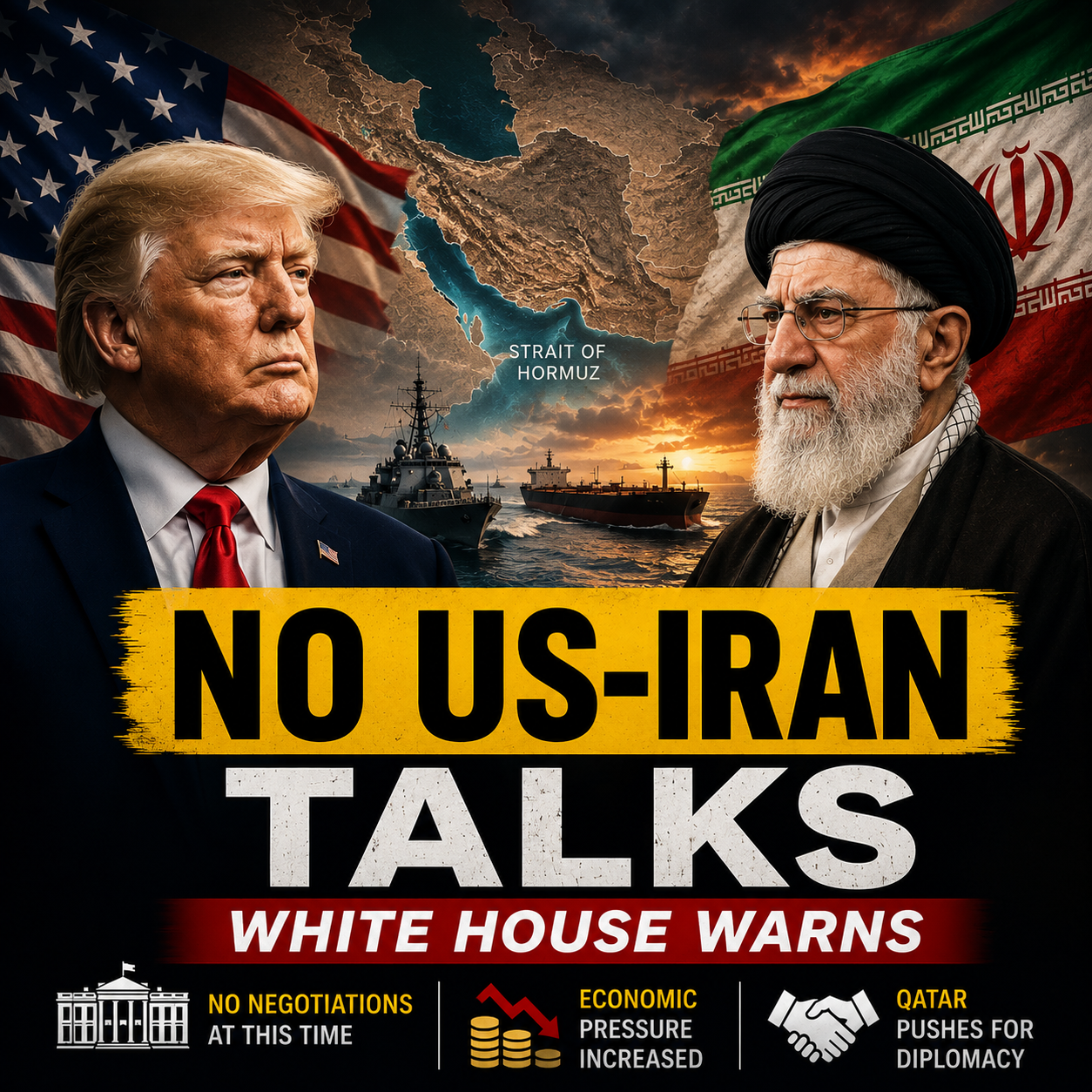
White House rules out current US-Iran talks
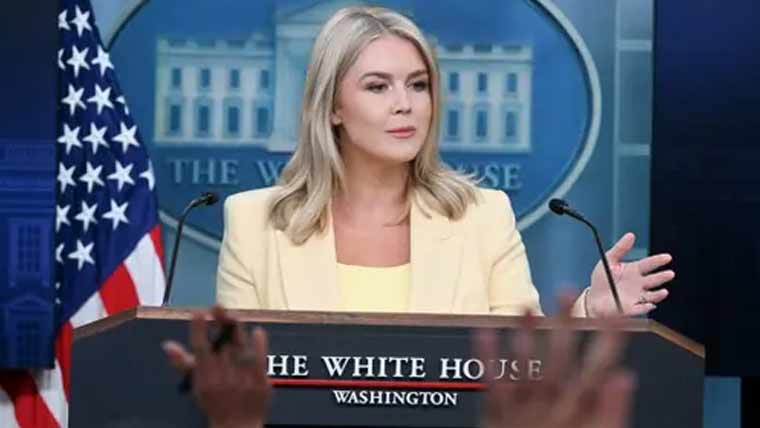
White House Press Secretary Karoline Leavitt said Thursday that no negotiations are currently underway between Washington and Tehran. Speaking to Fox News, she indicated that the situation would remain unchanged unless Trump determines that Iran is ready to come to the negotiating table in a meaningful manner.
The White House has also emphasized that the administration continues to retain military options, while making clear that economic pressure has become a major component of its strategy toward Tehran.
Leavitt said Trump’s principal objective remains preventing Iran from obtaining a nuclear weapon. Washington’s position suggests that any future diplomatic engagement is likely to be linked to broader US demands concerning Iran’s nuclear capabilities and regional activities.
Washington shifts toward economic pressure
The latest development follows a significant escalation in US economic measures against Iran.
US Treasury Secretary Scott Bessent announced on August 24 the launch of Operation Economic Outcast, describing it as a broad campaign designed to cut Iran’s international financial connections. The Treasury says the initiative is intended to target Iran’s economic networks and those supporting them.
The administration has also warned countries and companies maintaining financial relationships with Iran that they could face US sanctions.
The economic campaign represents a shift toward using financial and trade restrictions alongside the military pressure Washington has already applied during the conflict.
Qatar pushes for diplomatic breakthrough
While Washington says there are currently no direct negotiations, Qatar is attempting to keep a diplomatic channel open.
Qatari Prime Minister and Foreign Minister Sheikh Mohammed bin Abdulrahman Al Thani visited Tehran and held discussions with Iranian Foreign Minister Abbas Araghchi and other senior officials.
According to reporting by Reuters, the discussions included proposals for a temporary shipping arrangement through the Strait of Hormuz and cooperation on mine-clearing operations.
Qatar has previously played a mediation role between Washington and Tehran, making its latest diplomatic efforts significant as regional tensions remain high.
Strait of Hormuz remains central issue
The Strait of Hormuz has emerged as one of the most important obstacles to a wider diplomatic settlement.
The strategic waterway is crucial to global energy supplies, and restrictions on maritime traffic have contributed to concerns over oil prices and regional trade.
Iran and Oman have been discussing arrangements for safer maritime movement and possible mine-clearing operations. However, important details concerning the reopening and management of the waterway remain unresolved.
Washington has claimed that the US military is maintaining control of the main shipping route, while other reporting indicates that traffic through the strait remains significantly disrupted.
Iran rejects US pressure
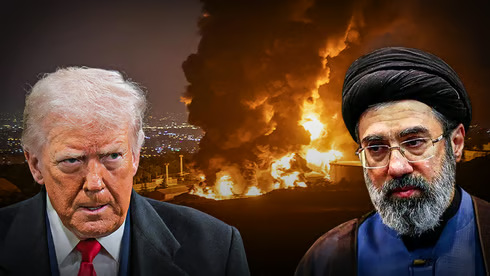
Iranian officials have strongly criticized Washington’s sanctions campaign and rejected what they describe as attempts to force Tehran into accepting US demands.
The diplomatic stalemate comes as both sides face pressure to resolve the conflict. For Washington, prolonged disruption around Hormuz carries economic risks, while Tehran continues to face intensified sanctions and international financial restrictions.
For now, however, the White House position is clear: US-Iran talks are not underway, and Washington says meaningful negotiations will require Tehran to demonstrate a willingness to engage.
Regional mediation efforts by Qatar and Oman could provide a potential route back to diplomacy, but the continuing dispute over the Strait of Hormuz, sanctions and Iran’s nuclear programme means a broader agreement remains uncertain.See More on Pulse Pakistan