Table of Contents
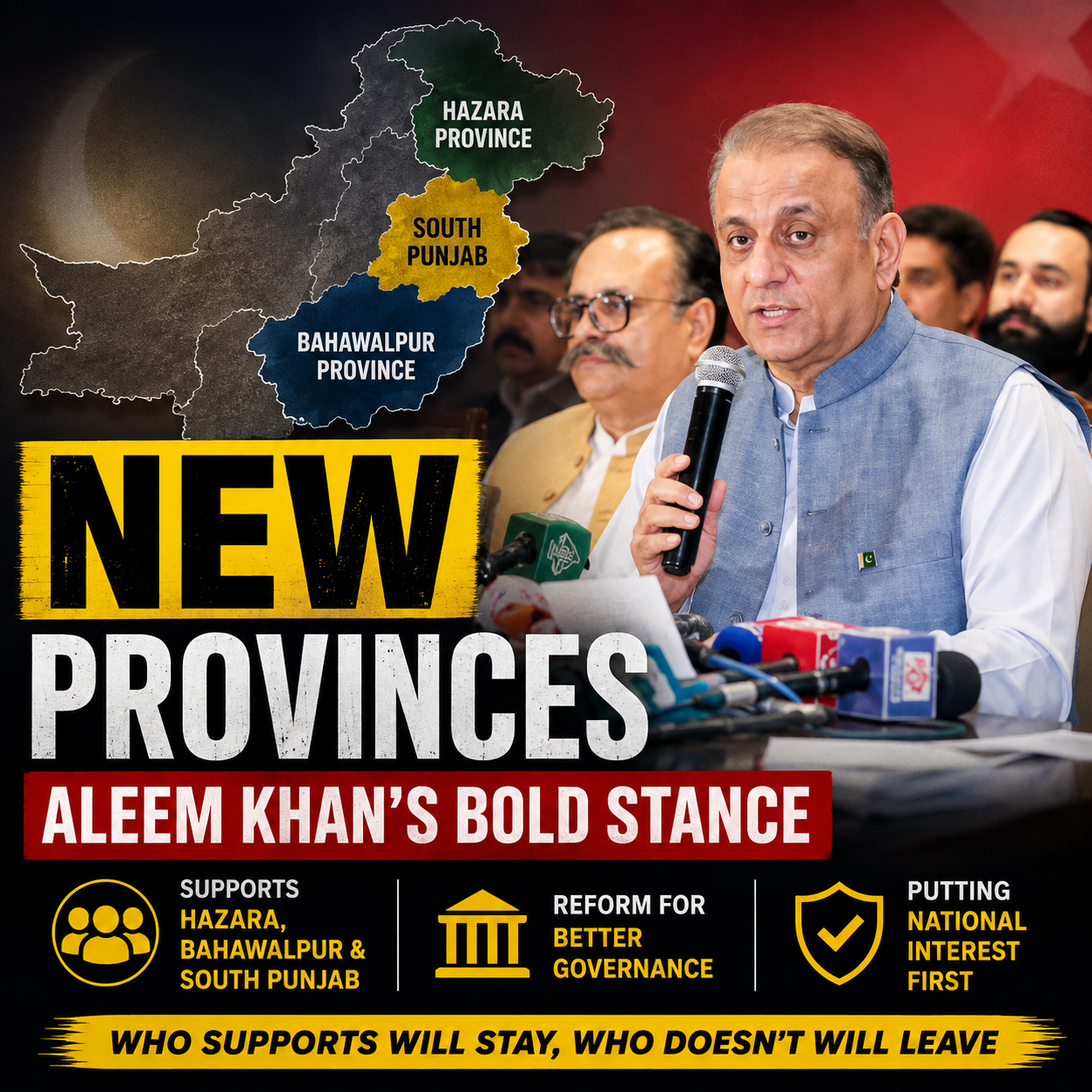
New provinces in Pakistan have once again become a prominent political issue after Istehkam-e-Pakistan Party (IPP) President Abdul Aleem Khan called for the creation of additional provinces and administrative units, arguing that restructuring is necessary to improve governance and deliver greater relief to citizens.
Speaking during a meeting with party leaders, Aleem Khan said the issue could no longer be avoided for political convenience. He maintained that Pakistan’s national interests should take precedence over individual or partisan considerations.
Aleem Khan renews call for new provinces
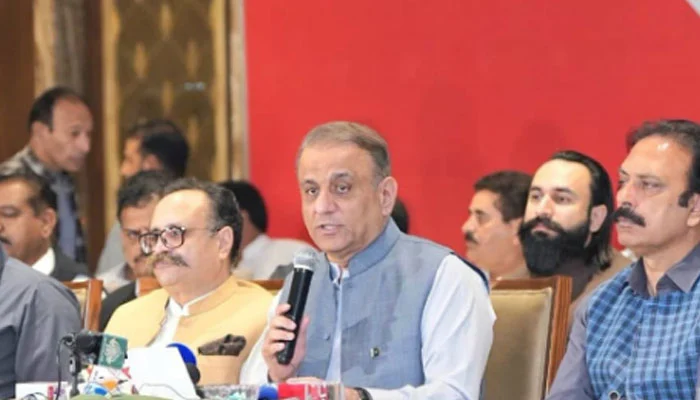
Aleem Khan argued that the country needs a more effective administrative structure to address growing population pressures and longstanding governance challenges.
He said that creating additional provinces and administrative units would bring government institutions closer to citizens and could make public services more accessible.
His latest remarks come amid renewed political debate over whether Pakistan’s existing four-province structure remains adequate for the country’s administrative and demographic needs.
Aleem Khan has previously argued that administrative restructuring should be treated as a national issue rather than being viewed through the lens of party politics. Recent reports show that he has supported dividing the country’s provinces into smaller administrative units to improve governance and service delivery.
IPP prepares a political strategy
During the latest party meeting, IPP leadership decided to formulate a concrete strategy at the party level concerning the creation of new provinces.
Aleem Khan said the issue was too important to be delayed because of political sensitivities. He stressed that Pakistan’s interests should remain above personal ambitions and short-term political considerations.
His comments indicate that the IPP intends to keep administrative restructuring on its political agenda and raise the matter at relevant forums.
The party has previously stated that it supports new provinces on administrative grounds and intends to continue advocating the issue.
Hazara, Bahawalpur and South Punjab demands

Among the proposals receiving Aleem Khan’s backing are separate provinces for Hazara, Bahawalpur and South Punjab.
He reiterated support for the Hazara province demand, which has been raised in the Khyber Pakhtunkhwa Assembly for years. According to recent reporting, calls for a separate Hazara province have been present in the provincial assembly since 2010, with support from political parties in the region.
Aleem Khan has also backed Bahawalpur and South Punjab as separate provinces. The IPP says such restructuring could help address administrative difficulties and improve the delivery of public services.
He has further referred to demands for additional administrative units in Punjab and Sindh, arguing that rapid population growth has increased pressure on existing structures.
Administrative reform versus political interests
Aleem Khan’s argument is centered on the idea that administrative boundaries should serve citizens rather than political interests.
He has repeatedly maintained that politicians should take ownership of the new-provinces debate and approach it as a governance issue.
Supporters of smaller administrative units argue that reducing the size of existing provinces could shorten the distance between government and citizens, improve administrative oversight and make public services more responsive.
However, creating a new province in Pakistan is constitutionally and politically complex. Any major territorial restructuring would require broad political consensus and constitutional amendments.
The debate therefore extends beyond the demands of individual regions and involves questions about representation, resource distribution, governance, political authority and federal-provincial relations.
Growing debate over Pakistan’s provincial structure
The renewed discussion comes as several political figures and parties continue to debate administrative restructuring.
Aleem Khan’s recent position adds momentum to a conversation that has persisted for years, particularly around demands for Hazara, South Punjab and Bahawalpur.
The IPP argues that Pakistan’s changing population and administrative requirements require policymakers to consider a new governance model.
Whether the proposal develops into a wider parliamentary initiative will ultimately depend on political consensus among federal and provincial stakeholders.
For now, Aleem Khan’s remarks have placed the creation of new provinces firmly back on the political agenda, with the IPP signaling that it intends to pursue the issue more systematically.
The debate is likely to continue as political parties weigh the potential administrative benefits against constitutional, financial and political challenges associated with redrawing Pakistan’s provincial map.See More on Pulse Pakistan