Table of Contents
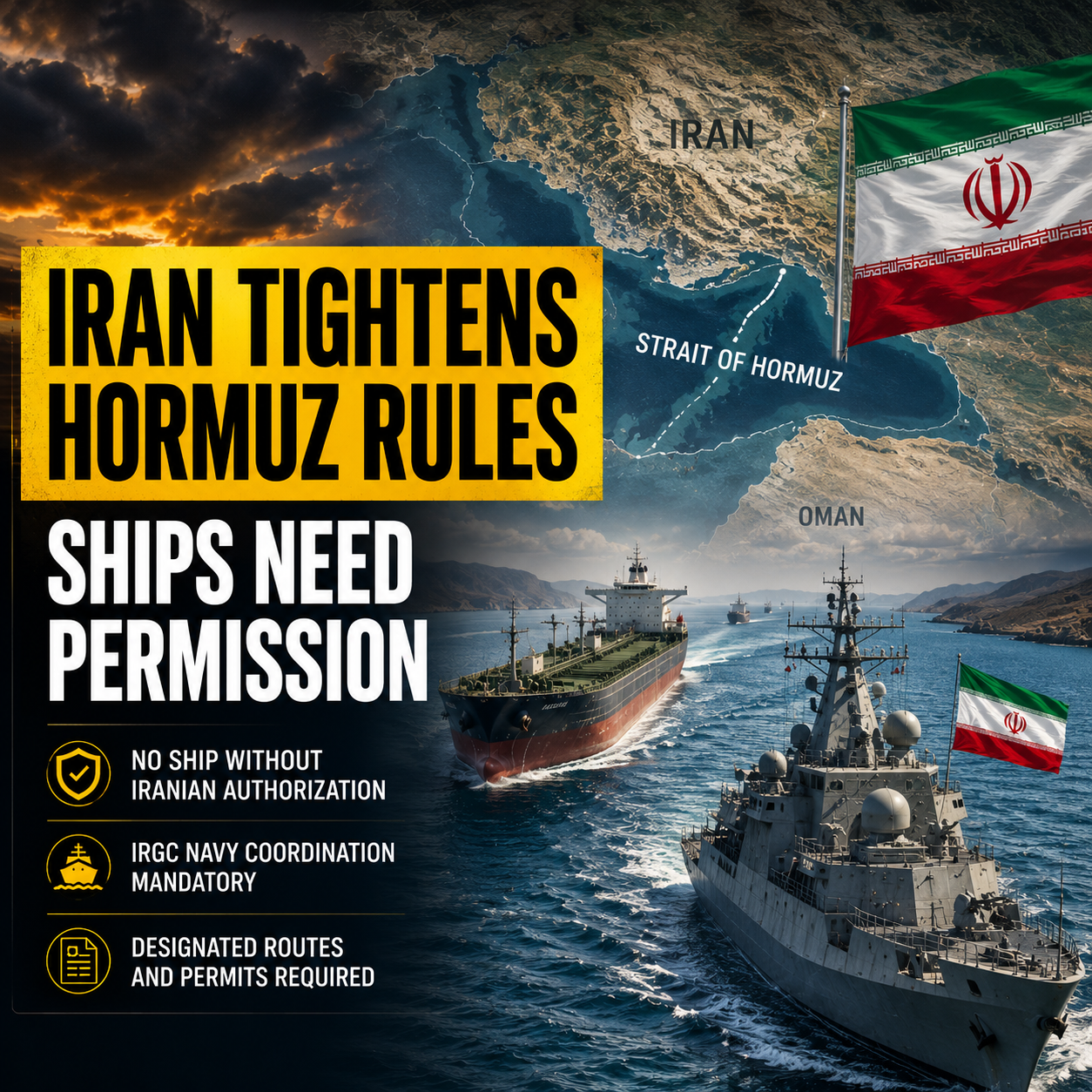
Strait of Hormuz has become the focus of renewed international attention after Iranian officials reiterated that vessels seeking to use the strategic waterway must comply with Tehran’s authorization procedures and designated navigation rules.
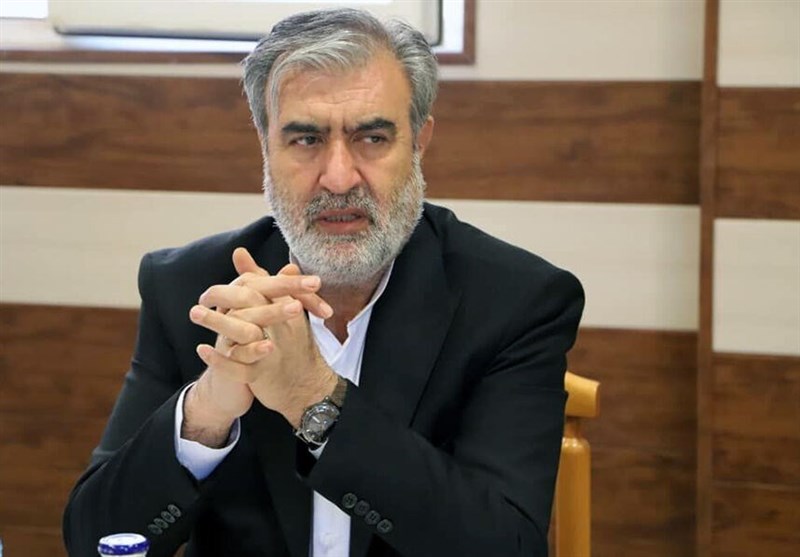
Iranian Parliamentary National Security and Foreign Policy Committee Chairman Ebrahim Azizi said vessels would not be permitted to pass through the waterway without authorization from Iranian authorities and coordination with the Islamic Revolutionary Guard Corps (IRGC) Navy.
The latest position comes as Iran seeks to formalize its role in managing maritime traffic through one of the world’s most important energy corridors.
Iran Tightens Control Over Strait of Hormuz
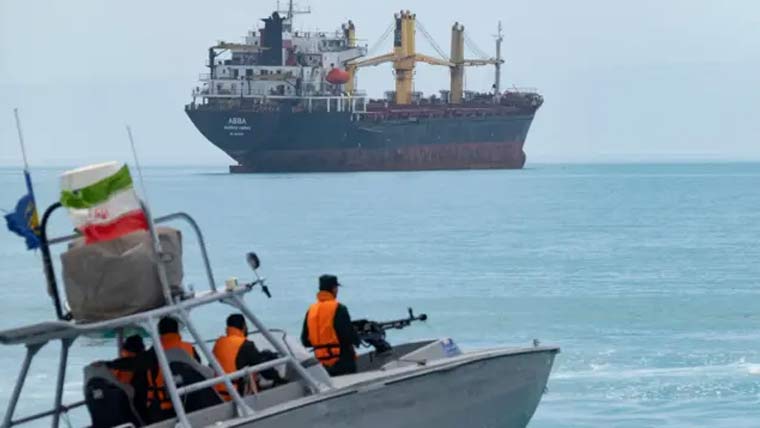
Azizi’s comments reflect Iran’s broader effort to establish tighter control over vessel movements through the waterway.
Iranian officials have repeatedly said that ships must use designated routes and obtain authorization before entering or crossing the Strait. In August, Azizi said vessels associated with what Tehran considers hostile parties would not be able to enter the Persian Gulf without Iranian approval.
The issue has become particularly sensitive following months of conflict and confrontation involving Iran, the United States and Israel.
Reuters reported earlier this month that maritime traffic through the Strait had fallen sharply, with only a fraction of the vessels that normally transit the waterway continuing to make the journey.
Ships Required to Follow Iranian Procedures
Under the procedures announced by Iranian authorities, civilian vessels are expected to use routes designated by Iran, while passage requires authorization from the IRGC Navy.
An IRGC Navy statement in April said civilian vessels could use the Iranian-designated route only with permission from the force. It also stated that military vessels remained prohibited from passing under the announced arrangements.
Iran’s military authorities subsequently said commercial vessels, oil tankers and other ships must comply with regulations established for the waterway.
The measures have raised questions internationally because the Strait is an international maritime chokepoint shared geographically between Iranian and Omani waters.
New Legal Framework for the Waterway
Iran has also moved toward creating a formal legal framework for managing the Strait.
In April, Iran’s parliamentary National Security and Foreign Policy Committee advanced legislation aimed at establishing a new legal regime for the waterway. The proposed framework included provisions concerning permitted vessels, secure navigation corridors and possible restrictions on ships linked to countries Tehran considers adversarial.
Iran’s deputy parliament speaker subsequently said a new law would determine conditions for maritime transit while taking international law and the rights of neighboring countries into account.
The developments indicate that Tehran’s approach is not limited to temporary wartime measures but could form part of a longer-term system for regulating maritime traffic.
European Countries Seek Transit Arrangements
Iranian state television reported in May that several European countries had begun discussions with Tehran over permission for their vessels to pass through the Strait.
According to the report, negotiations involved the IRGC Navy after ships from countries including China, Japan and Pakistan had already obtained passage arrangements.
The reported negotiations highlight the importance of securing predictable shipping routes as companies and governments attempt to navigate the increasingly complicated security environment.
Global Trade and Energy Implications
The Strait of Hormuz is a critical route for global energy supplies, linking the Persian Gulf with the Gulf of Oman and the Arabian Sea. Disruption to shipping through the waterway can affect oil and gas markets, insurance costs, freight rates and broader global supply chains.
Current diplomatic efforts are focused on restoring more stable maritime traffic. Reuters reported on August 27 that Iran was preparing conditions for reopening the Strait and had reached an understanding with Oman concerning a shipping corridor involving Iranian and Omani waters.
For international shipping companies, the central challenge remains balancing Iran’s stated security requirements with the need for predictable and legally recognized freedom of navigation.
As diplomatic efforts continue, the future management of the Strait of Hormuz is likely to remain a major issue in negotiations over regional security, energy supplies and international maritime trade.See More on Pulse Paksitan