Table of Contents
Bilawal Bhutto Urges Fresh Talks in Major Push to Resolve KP Emergency Crisis
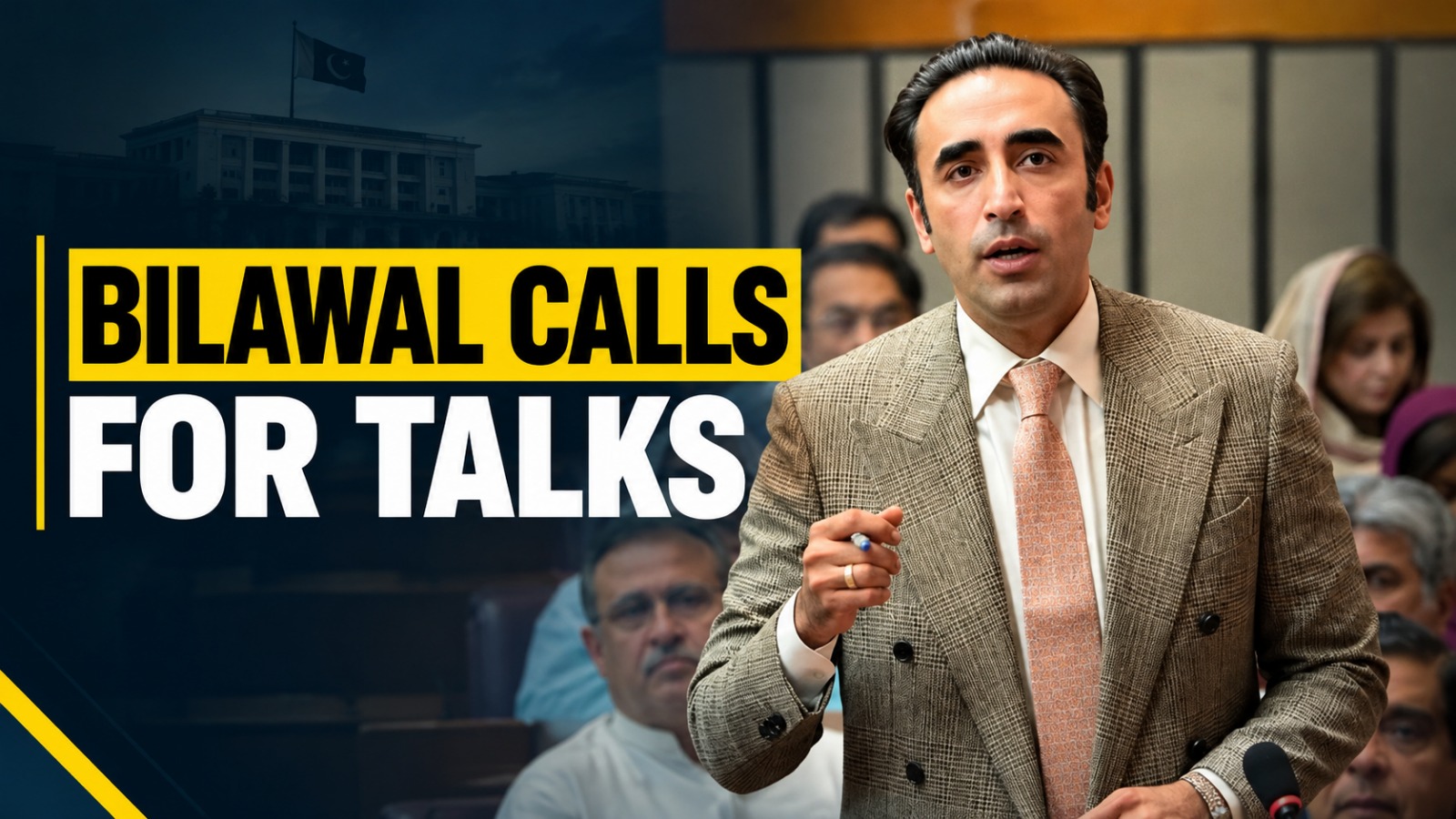
Bilawal Bhutto has urged Pakistan’s federal government to reopen negotiations with the opposition, calling for political unity and a joint strategy to combat terrorism amid the controversy surrounding emergency measures in Khyber Pakhtunkhwa.
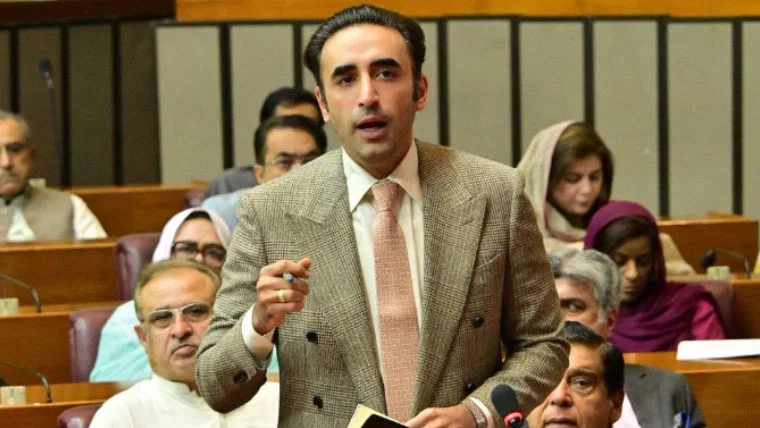
Addressing the National Assembly, Pakistan Peoples Party (PPP) Chairman Bilawal Bhutto Zardari defended the federal government’s decision on the province while maintaining that dialogue remained essential to resolving the political dispute. He said political differences should not prevent cooperation on matters of national security.
Bilawal Bhutto Calls for Renewed Political Dialogue
Bilawal Bhutto urged the government to extend another invitation to opposition parties, arguing that negotiations could help identify a middle ground and prevent further political confrontation.
He said the government had made extensive efforts to engage the opposition before proceeding with its decision concerning Khyber Pakhtunkhwa.
The PPP chairman emphasized that political space should be protected across the democratic system. According to him, restricting the space available to one political party could eventually affect other parties as well.
Despite his criticism of Pakistan Tehreek-e-Insaf (PTI), Bilawal maintained that the government should continue efforts to secure a negotiated settlement.
PPP Chairman Backs KP Emergency Decision
Bilawal Bhutto expressed his intention to support the federal government’s decision concerning the emergency in Khyber Pakhtunkhwa.
Referring to Article 232 of Pakistan’s Constitution, he said the constitutional framework provides for emergency measures under specified circumstances, including war, external aggression and certain internal disturbances.
He argued that the government had attempted to avoid such a step and described the decision as difficult but constitutionally grounded.
Bilawal maintained that the emergency should not be viewed as a permanent arrangement, saying the country needed a path toward stability and a coordinated response to security threats.
The precise legal status and duration of any emergency, however, must be established through the relevant official proclamations and constitutional procedures.
Criticism of PTI’s Provincial Leadership
Bilawal Bhutto placed significant responsibility for the situation in Khyber Pakhtunkhwa on PTI’s provincial leadership.
He accused the party of contributing to the circumstances that prompted the federal government’s action, describing its political approach as a form of “political suicide.”
He argued that the provincial government should have offered convincing reasons and alternatives that could have persuaded the federal authorities not to proceed with emergency measures.
Bilawal also said PTI’s provincial leadership had played an important role in shaping the current situation.
These remarks reflected the PPP chairman’s political assessment of the crisis. PTI’s response to his allegations was not included in the supplied report.
Unity Needed to Fight Terrorism
A central theme of Bilawal’s address was the need to separate political disagreements from counterterrorism efforts.
He urged political parties to cooperate on a comprehensive strategy against militant violence, stressing that security challenges required collective action rather than partisan confrontation.
Bilawal said the government and opposition should agree on practical measures to combat terrorism and establish a common framework for cooperation.
He also criticized what he described as the provincial government’s position regarding areas affected by terrorism, arguing that political leaders needed to agree on how those areas should be addressed.
The PPP chairman called for a coordinated approach involving political leadership and relevant state institutions.
Fresh Negotiations Urged to Resolve Political Crisis
Bilawal Bhutto reiterated his appeal for the federal government to reach out to opposition parties once again.
He said the objective should be to find a workable compromise rather than allow the dispute to deepen.
According to Bilawal, the government had pursued available political avenues before making its decision, but further engagement remained necessary.
His remarks presented dialogue as a way to reduce political tensions while enabling the government and opposition to focus on national security.
The proposal also underscored the challenge of building cross-party agreement on emergency measures, provincial governance and counterterrorism policy.
Bilawal’s Remarks on India and National Unity
During his address, Bilawal accused India of supporting terrorist elements operating in Pakistan. He also referred to what Pakistan calls Marka-e-Haq, claiming India had not accepted its defeat.
These allegations were part of Bilawal’s political address and were not independently verified in the supplied report.
He also highlighted Pakistan’s diplomatic role in facilitating a ceasefire between Iran and the United States, presenting it as an example of the country’s wider international responsibilities.
Concluding his remarks, Bilawal emphasized that Pakistan belonged to the government, opposition and PTI alike.
He urged political leaders to put national interests ahead of partisan differences and work together against terrorism.
The key message from Bilawal Bhutto’s address was a renewed call for political negotiations alongside his support for the federal government’s position on Khyber Pakhtunkhwa. Whether the appeal leads to fresh talks will depend on the response from the government and opposition leadership.See More on Pulse Pakistan