Pakistan-Afghanistan Border to Reopen Following Ceasefire Agreement
ISLAMABAD — The long-standing tension at the Pakistan-Afghanistan border is expected to ease as officials from both nations have reached an agreement to reopen the border within the next 24 to 48 hours. This development follows a ceasefire agreed upon earlier this week, signaling a potential thaw in the strained relations between the two neighboring countries.
Clashes Lead to Border Closure
On October 12, Pakistan closed the Torkham and Chaman border crossings after a series of attacks by the Afghan Taliban and affiliated militants on Pakistani Armed Forces posts. These clashes, which erupted on the night of October 11-12, resulted in heavy casualties on both sides. Pakistan reported the martyrdom of 23 soldiers while over 200 militants were killed in the ensuing conflict.
In response, Pakistan conducted precision strikes on militant targets in Afghanistan, including locations in Kandahar and Kabul. The escalating violence prompted Afghanistan to request a temporary ceasefire, which was initially granted for 48 hours on October 15.
Source: Policy Wire
Ceasefire Extended, Diplomatic Talks Underway
The ceasefire was extended for another 48 hours on October 17, as diplomatic talks moved to Doha, Qatar. The Pakistan and Afghan delegations held crucial negotiations, resulting in a formal agreement for a meaningful ceasefire. Defence Minister Khawaja Muhammad Asif confirmed the cessation of hostilities, with both sides agreeing to reconvene in Istanbul, Turkey, on October 25 for further discussions.
The Role of Terrorism in the Conflict
According to Minister Asif, both countries acknowledged that terrorism had been the primary driver of tensions. He emphasized that combating terrorism must remain the focus of both nations to prevent further destabilization in the region. He also mentioned that failure to curb terrorism could have severe repercussions on regional peace and security.
The defense minister expressed hope that the ceasefire would pave the way for peace and normal relations between Pakistan and Afghanistan, including the resumption of trade and cross-border transit. He also noted that Afghanistan would regain access to Pakistani ports, which would be vital for its economy.
Border Communities Await Resumption of Trade
For the residents living along the border, the ceasefire brings a welcome sense of relief. Life has begun to return to normal in areas like Baizai, where locals are hopeful that the restoration of peace will revive the critical cross-border trade.
“People can breathe and feel relieved,” said Sadiq Shah, a shopkeeper from Baizai. “But before that, gunfire damaged a few houses in our village.” Many residents, who are ethnically Pashtun and share cultural ties across the border, question the rationale behind the violence. “It’s incredible: both sides are Muslim, Pashtuns, so why fight?” Shah remarked.
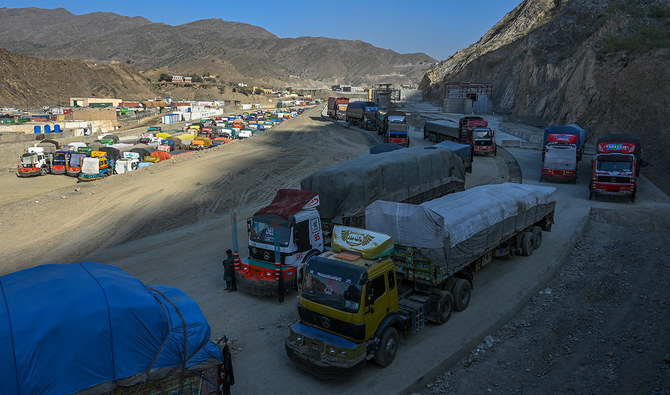
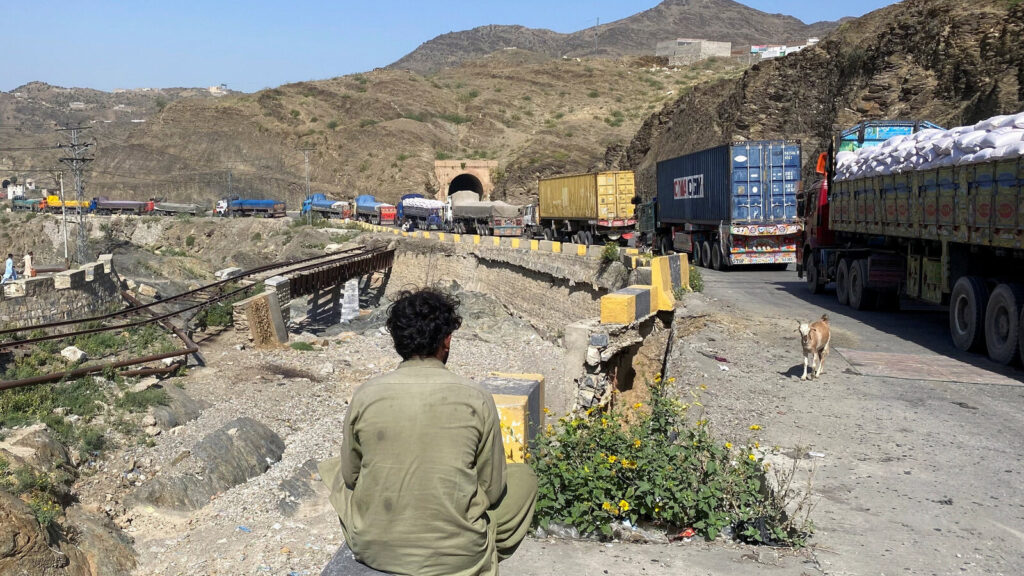
Currently, more than 1,500 trucks laden with goods such as cement, rice, and medicines remain stranded at the Torkham border, waiting for the resumption of trade. Abdul Rahman Habib, spokesman for Afghanistan’s economy ministry, noted that perishable goods like fruit and vegetables were rotting, contributing to significant financial losses for local businesses.
Economic Impact and Call for Separate Trade Relations
The continued closure of the border has had a severe impact on cross-border commerce. Habib warned that prolonged disruptions could lead to rising prices, increased unemployment, and market instability. He urged that trade should not be tied to political conflicts, stressing that business interests should be maintained separately from the political tensions that have plagued the region.
As both sides work toward a lasting peace, the immediate resumption of border trade remains a critical concern, not only for Pakistan and Afghanistan but also for the economic stability of the broader region.
This ceasefire agreement holds significant implications for future diplomatic relations and the economic well-being of both nations. With hope for renewed cooperation and stability, the border’s reopening could mark a turning point in Pakistan-Afghanistan relations.