Table of Contents
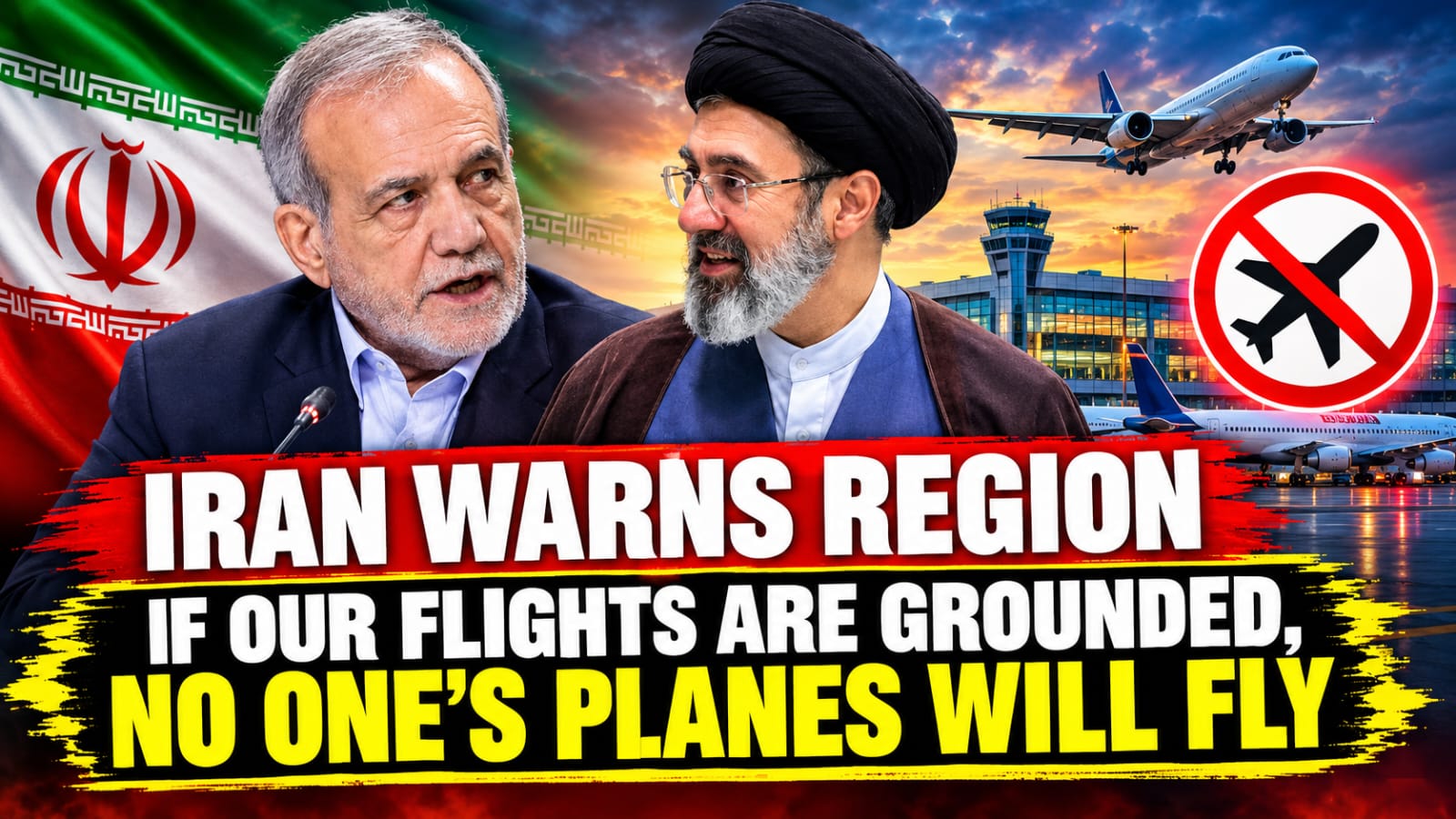
Iran flights have become the focus of a widening regional aviation dispute after Mohammad Mokhber, an adviser to Iran’s Supreme Leader Mojtaba Khamenei, warned that restrictions on Iranian carriers could have broader consequences for air travel across the region.
In a statement posted on X, Mokhber said flights and airport services in the region should either remain available to everyone or to no one. He warned that if Iran were denied the ability to operate flights or obtain airport services, other countries in the region would not be able to expect unrestricted access to the same facilities.

Iran Flights Warning Raises Regional Concerns
Mokhber also criticized countries cooperating with the United States over measures targeting Iran, saying that what he described as hostile policies would remain in the memory of the Iranian people.
His comments came as restrictions affecting Iranian airlines expanded across the Middle East. The latest developments have placed additional pressure on Tehran’s international passenger connections and raised concerns about the future of regional aviation links.
The warning did not specify what measures Iran could take or how Tehran would enforce its position. Reporting on the statement described it as a warning that broader regional aviation could be disrupted if Iranian airlines were denied access to flights and airport services.

US Sanctions Put Pressure on Iranian Airlines
The dispute follows a major US sanctions action announced by the Department of the Treasury on September 8.
According to the Treasury, the Office of Foreign Assets Control sanctioned 36 targets connected to Iran’s aviation sector. The action included 27 Iranian airlines and other entities that Washington accused of supporting activities involving the movement of weapons, personnel and illicit cargo.
Washington has also moved to restrict the ability of Iranian airlines to receive essential services outside Iran. These include airport access, landing facilities, fuel, ground handling and other aviation-related services.
The US measures have placed international companies and aviation providers in a difficult position because businesses dealing with sanctioned Iranian carriers can face the risk of secondary sanctions.
Iran has rejected the US measures and characterized restrictions on its aviation sector as pressure against civilian air transportation.
Iraq Suspends Iranian Flights
The pressure on Iran flights intensified on September 25 when Iranian connections were suspended at the remaining Iraqi airports serving Iranian carriers.
Reuters reported that Erbil and Sulaimaniya airports suspended Iranian flights on Friday, following earlier restrictions at Baghdad and Najaf. The development means Iranian flights have been suspended from all four Iraqi airports where they had been operating.
Najaf International Airport separately announced that flights to and from Iran would be suspended from 2 a.m. on September 25 until further notice, citing official instructions. The airport did not publicly provide a detailed reason for the decision.
The restrictions are particularly significant because Iraq has traditionally been an important destination and transit point for Iranian passengers.
UAE Halts Iranian Airline Operations
The United Arab Emirates also suspended flights operated by Iranian airlines to and from the country beginning September 24.
The UAE General Civil Aviation Authority said the suspension would remain in effect until further notice and linked the decision to the US ban affecting Iranian airlines’ access to airports internationally.
The UAE move adds another major regional aviation hub to the list of destinations where Iranian carriers face restrictions.
Other countries have also introduced or announced measures affecting Iranian aviation connections, contributing to a wider disruption in international travel involving Iranian airlines.
Growing Impact on Regional Travel
The expanding restrictions are creating additional difficulties for Iranian passengers seeking international connections.
As direct flights are cancelled or suspended, some travelers have increasingly had to consider alternative routes through neighboring countries and overland connections.
For Tehran, the issue now extends beyond individual airline operations. Mokhber’s statement frames access to international aviation services as a regional matter, suggesting that Iran considers unequal restrictions on its airlines unacceptable.
The situation remains fluid as governments, airports and aviation authorities respond to US sanctions and their potential consequences.
For passengers, the immediate impact is likely to remain uncertainty over flight schedules, airport access and alternative travel routes. For airlines and service providers, the growing sanctions environment could further complicate decisions over fuel, landing, ground handling and other services involving Iranian carriers.
The latest developments therefore mark a significant escalation in the dispute surrounding Iran flights, with Tehran warning that restrictions imposed on Iranian aviation could have consequences extending beyond Iran’s own air transport network.See More on Pulse Pakistan