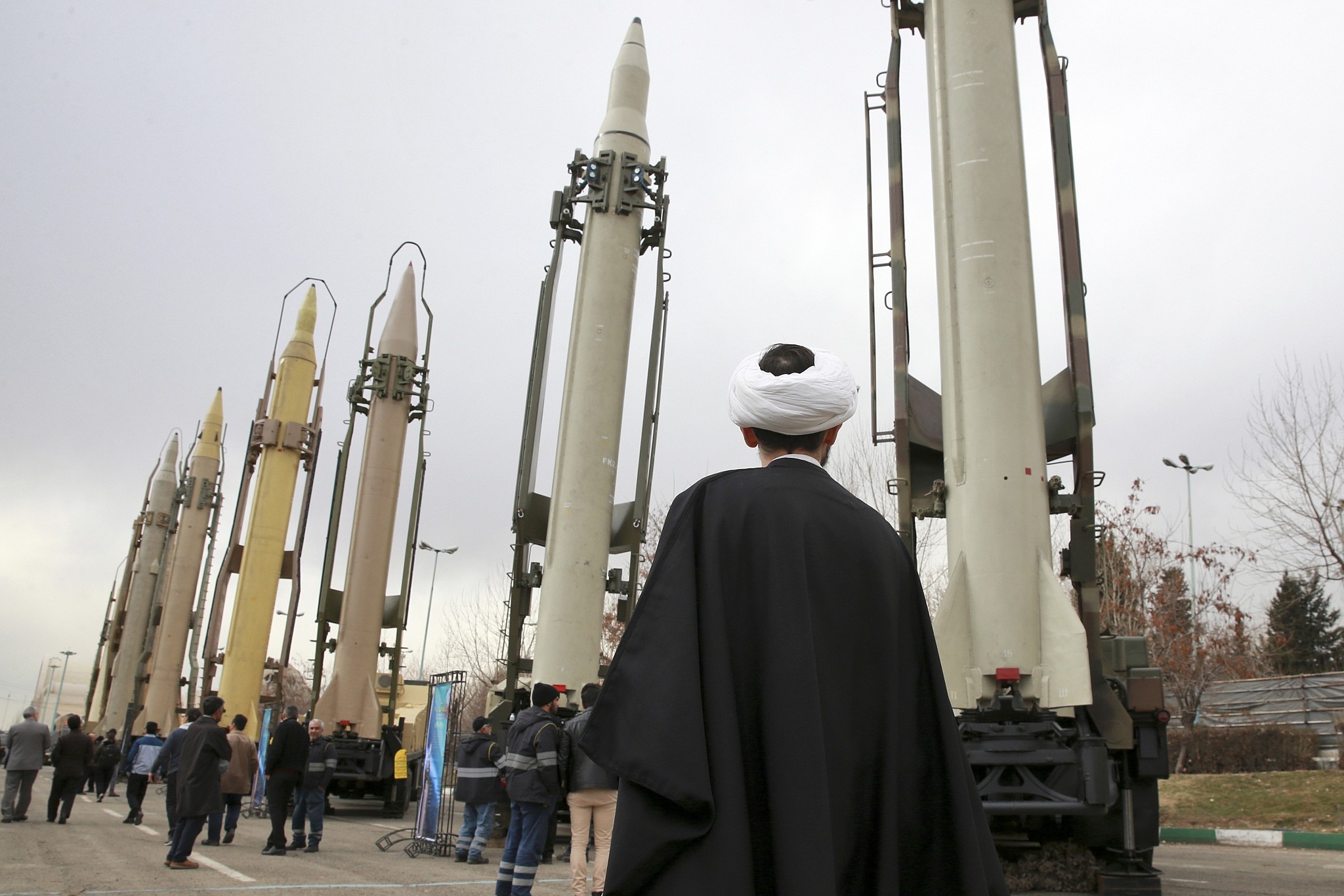
Iran has firmly rejected any discussion over its missile programme, describing it as purely defensive and essential for national security, as regional tensions with Israel and the United States remain high following last month’s brief but intense conflict.
Speaking at a weekly press briefing on Monday, Iranian Foreign Ministry spokesman Esmaeil Baqaei said Tehran’s missile capabilities were developed solely to protect Iranian territory and deter external aggression. He stressed that Iran’s defence posture, including its ballistic missile arsenal, was not open to negotiation under any circumstances.
“Iran’s missile programme was developed to defend Iran’s territory, not for negotiation,” Baqaei said. “Our defence capabilities are designed to deter aggressors from even considering an attack on Iran, and therefore they are not a subject for discussion.”
The remarks come weeks after a 12-day war between Iran and Israel in June, during which Israel cited Iran’s missile capabilities and nuclear programme as its primary security concerns. Israeli leaders have long argued that Iran’s expanding missile arsenal poses a direct threat, placing Israeli cities and military installations within striking range.
During the conflict, Israel launched what it described as unprecedented strikes on Iranian military infrastructure, nuclear-related facilities, and residential areas. Iranian officials say more than 1,000 people were killed in the attacks, a figure that includes both civilians and members of the security forces. In response, Iran fired multiple waves of ballistic missiles and armed drones towards Israeli territory, marking one of the most direct military confrontations between the two long-time adversaries.
Israel has acknowledged that more than 50 Iranian missiles landed inside its territory during the fighting, resulting in the deaths of 28 people. The exchanges raised fears of a broader regional war, drawing in global powers and destabilising an already volatile Middle East.
The United States briefly entered the conflict on Israel’s side, carrying out strikes on Iranian nuclear facilities before announcing a ceasefire. While Washington framed its actions as limited and preventative, Tehran has accused the US of escalating tensions and undermining regional stability.
According to a recent report by US broadcaster NBC, Israeli officials are increasingly concerned that Iran is now attempting to rebuild and expand its missile production capabilities following the war. The report suggests that Israel fears Tehran could emerge from the conflict with a more advanced and resilient missile programme, potentially prompting further pre-emptive military action.
NBC reported that Israeli Prime Minister Benjamin Netanyahu is expected to raise these concerns during an upcoming visit to the United States later this month. Citing unnamed sources with direct knowledge of the plans and former US officials, the report said Netanyahu may present President Donald Trump with various options for American involvement or assistance in any future military operations aimed at curbing Iran’s missile development.
Iran has repeatedly denied accusations that its missile programme is offensive or destabilising, arguing instead that it is a necessary response to decades of external pressure, sanctions, and military threats. Iranian officials often point to Israel’s own advanced military capabilities and undeclared nuclear arsenal as evidence of what they describe as a double standard in regional security debates.
Historically, Iran relied heavily on Western military equipment, particularly from the United States, prior to the 1979 Islamic Revolution. However, the severing of diplomatic ties with Washington forced Tehran to develop a domestic arms industry, including missile technology, to maintain its defence readiness. Iranian leaders now present this self-sufficiency as a strategic necessity rather than a political choice.
Tehran also argues that its missile capabilities play a stabilising role by deterring attacks, rather than provoking them. “Deterrence is the cornerstone of Iran’s defence doctrine,” Iranian officials have said repeatedly, framing their military posture as reactive rather than aggressive.
Despite these assurances, Iran’s missile programme remains a major point of contention in international diplomacy. Western governments and regional rivals continue to view it as a key element of Iran’s power projection and a threat to regional security, particularly when combined with Tehran’s nuclear activities.
As diplomatic efforts struggle to gain traction, analysts warn that the lack of dialogue over missile capabilities increases the risk of miscalculation. With Israel signalling readiness for further action and Iran standing firm on its non-negotiable stance, the aftermath of the June conflict appears to have set the stage for continued confrontation rather than de-escalation.