Full News Article
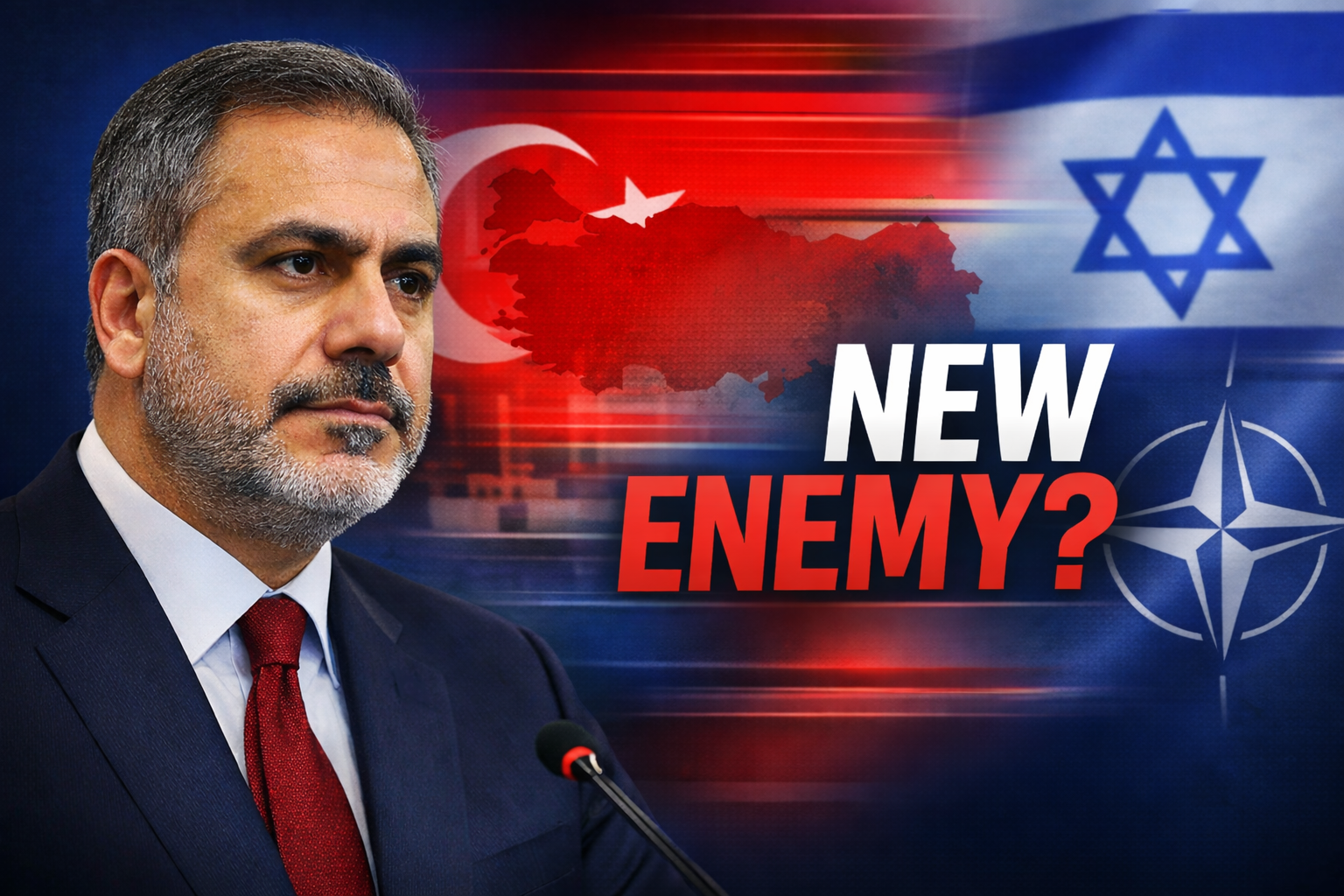
Israel-Turkiye tensions widened on Monday after Turkish Foreign Minister Hakan Fidan accused Israel of trying to redefine Turkiye as its next enemy, while also urging NATO allies to use July’s Ankara summit to rebuild a more stable relationship with U.S. President Donald Trump
Table of Contents
Israel-Turkiye Tensions Deepen After Fidan Remarks
Speaking in a televised interview with Anadolu, Fidan said Israel “cannot live without an enemy” and argued that, after Iran, Israeli political circles were increasingly portraying Turkiye as the next target. He said this was no longer limited to Prime Minister Benjamin Netanyahu’s government alone and described it as a development that was turning into a broader state approach.
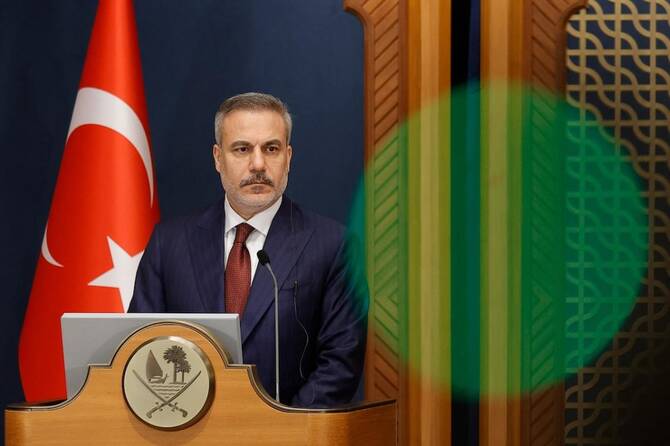
The remarks add fresh strain to a relationship already badly damaged since the Gaza war began after the October 7, 2023 Hamas attack on Israel. Since then, Ankara has sharply criticised Israeli military action and positioned itself as one of the most outspoken regional governments against Netanyahu’s policies.
The latest exchange came days after Turkiye’s foreign ministry issued a blistering statement over Netanyahu’s remarks about President Recep Tayyip Erdogan. In that April 11 statement, the ministry said Netanyahu’s current aim was to derail ongoing peace efforts and continue expansionist policies in the region. It also pointed to the International Criminal Court arrest warrant against the Israeli premier on war crimes and crimes against humanity charges.
Regional Fallout Shapes the Diplomatic Tone
Fidan’s comments also reflect the wider instability created by the Iran war and the deepening diplomatic splits it has caused inside the Western alliance. Reuters reported on Monday that NATO allies including Britain and France refused to take part in Trump’s proposed Strait of Hormuz blockade, instead backing a defensive multinational effort that would only move once active fighting had ended. Fidan said the waterway should be reopened through diplomacy and warned that creating an international force there would be complicated.
That regional backdrop matters because Ankara is now linking Israel-related rhetoric, the Iran crisis, and transatlantic uncertainty into one broader security picture. In effect, Turkiye is signalling that regional escalation and fractures inside NATO cannot be treated as separate issues anymore. That is an inference drawn from Fidan’s remarks and the sequencing of Turkey’s statements over the past several days.
NATO Summit Ankara Takes on New Weight
During the same interview, Fidan said NATO members should use the July 7-8 summit in Ankara to put relations with Washington on a more systematic footing. He said Turkiye believed Trump would attend because of his “personal respect” for Erdogan, even though the U.S. president was otherwise seen as reluctant to join the meeting.
The urgency behind that call is clear. Trump threatened earlier this month to consider pulling the United States out of NATO over European allies’ refusal to support operations linked to the Strait of Hormuz, and Reuters later reported that he had also discussed with advisers the possibility of removing some U.S. troops from Europe. No decision has been made, but the deliberations have intensified concerns across the alliance.
What Comes Next
For Turkiye, the Ankara summit is now shaping up as more than a routine alliance gathering. It could become a test of whether NATO can manage a possible reduction in U.S. involvement while keeping its internal political balance intact. NATO Secretary General Mark Rutte has said he understands Trump’s frustrations, while also noting that a large majority of European countries had supported Washington’s war effort in Iran.
For Israel-Turkiye tensions, meanwhile, Monday’s remarks show the dispute is no longer confined to bilateral criticism over Gaza. Ankara is now framing the issue as part of a wider regional strategy, one that could further complicate diplomacy at a time when both the Middle East and NATO are already under heavy pressure.
Also read Pulse Pakistan’s continuing coverage of the Iran war, Strait of Hormuz developments, and growing divisions within NATO.