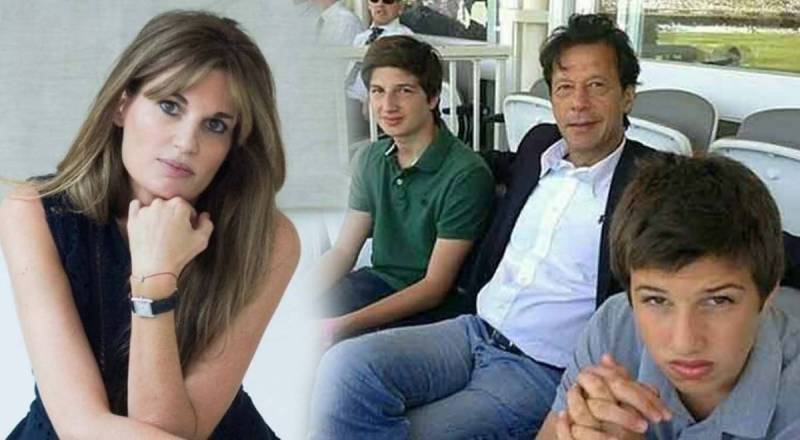
The Pakistani government has drawn sharp criticism for threatening to arrest the sons of former Prime Minister Imran Khan if they enter the country to join protests organized by his party, Pakistan Tehreek-e-Insaf (PTI). The remarks, made by senior officials, have sparked accusations of personal vendetta and raised concerns about democratic norms, as Khan remains in solitary confinement for nearly two years.
Imran Khan, the 71-year-old former cricketer-turned-politician, has been imprisoned since August 2023, facing multiple charges ranging from corruption to terrorism following his ouster through a no-confidence motion in April 2022. His ex-wife, Jemima Goldsmith, took to social media to condemn the government’s stance, highlighting that her sons, Kasim and Suleiman, have been denied phone contact with their father. “Pakistan’s government has now said if they go there to try to see him, they too will be arrested and put behind bars. This doesn’t happen in a democracy or a functioning state. This isn’t politics. It’s a personal vendetta,” she stated.
The controversy stems from statements by senior government figures. A high-ranking official warned that Khan’s sons could face arrest if they participate in PTI’s upcoming protests, expected later this month or next. The official clarified that any involvement in what they described as a “violent movement” would lead to consequences. Another government representative emphasized that while the sons are welcome to visit Pakistan, their participation in political activities as foreign nationals would be scrutinized by the interior ministry. “If they intend to spread discord, there is no permission for this,” the representative added, accusing PTI of using the sons as political tools.
Kasim Khan, one of Imran’s sons, also spoke out, denouncing the treatment of his father. “My father has now spent over 700 days in prison — held in solitary confinement,” he wrote. “He is denied access to his lawyers, not allowed visits from his family, fully cut off from us, and even his personal doctor is refused entry. This is not justice.” Kasim’s statement underscored the family’s frustration with what they describe as an attempt to isolate Khan, who continues to face legal battles.
PTI leaders have defended the sons’ right to join the party’s movement. Salman Akram Raja, the party’s secretary general, argued that Kasim and Suleiman have every right to participate in PTI’s campaign, citing historical precedents of political activism in Pakistan. He also noted that both Khan and his wife, Bushra Bibi, are entitled to have their sentences suspended. Meanwhile, Khan’s sister, Aleema, revealed that the UK-based sons plan to visit the US to raise awareness about their father’s situation before traveling to Pakistan to join PTI’s protests.
Government officials, however, have downplayed the potential impact of the sons’ involvement. One senior figure stated that their presence would not cause a “political upheaval” and dismissed the idea that their participation could secure Khan’s release. The official also rejected rumors of a government change in Khyber Pakhtunkhwa, asserting that the current administration remains stable.
The escalating tensions highlight the deepening divide between PTI and the government, with Khan’s family and supporters accusing authorities of targeting the former prime minister through punitive measures. As PTI prepares for its protests, the government’s response to Khan’s sons will likely remain a flashpoint in Pakistan’s volatile political landscape.