
Prime Minister Shehbaz Sharif has introduced a new scheme to provide soft agricultural loans to farmers through a Public Private Partnership (PPP) model, aiming to drive sustainable reforms in Pakistan’s agriculture sector. Announced during a high-level meeting in Islamabad, the initiative focuses on enhancing mechanization, digitization, and access to affordable financing to boost farmer incomes and national economic growth.
During a review meeting on Wednesday, Prime Minister Shehbaz Sharif outlined a comprehensive plan to transform Pakistan’s agriculture sector, emphasizing the provision of easy loans to farmers through a public-private partnership framework. The initiative is part of a broader strategy to modernize agriculture, with a focus on sustainable reforms that prioritize mechanization, digitization, and a business-friendly environment. “Agricultural reforms shall commence with the provision of easy loans to farmers,” Sharif stated, directing authorities to collaborate with provincial governments to develop short- and long-term strategies.
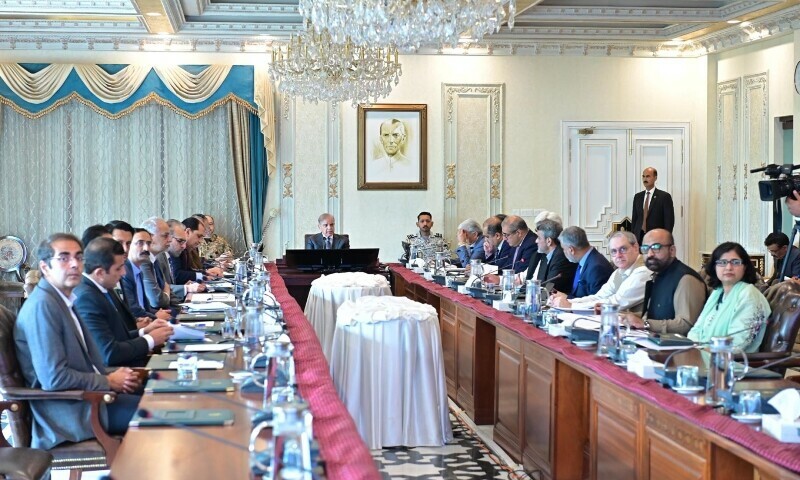
The Prime Minister instructed the Zarai Taraqqiati Bank to implement urgent reforms to ensure transparent and accessible loan distribution for farmers. He also highlighted that the upcoming Public Sector Development Programme (PSDP) will prioritize agricultural projects, including efforts to enhance storage capacity for commodities and improve the livestock sector. Sharif emphasized the importance of agricultural zoning and value chain strategies to boost exports, particularly by adopting technologies tailored to small landholders.
The meeting reviewed an “agriculture innovation and growth action plan” aimed at increasing farmer incomes, improving productivity, and streamlining regulations to foster a conducive business environment. Proposals presented included measures to enhance agricultural infrastructure and establish secure storage facilities for commodities, addressing longstanding challenges in the sector. Sharif stressed that collaboration among experts is key to developing agriculture on modern lines, ensuring benefits flow directly to farmers.
In addition to agricultural reforms, the Prime Minister expressed optimism about Pakistan’s economic progress, citing record remittances of $38.3 billion in the fiscal year 2024-25, an $8 billion increase from the previous year. “The record surge in remittances reflects expatriate Pakistanis’ valuable contribution and their confidence in the national economy,” he noted. Sharif attributed these positive economic indicators to the government’s policies, which he said are yielding tangible results.
The government’s focus on agriculture comes at a critical time, as the sector remains a cornerstone of Pakistan’s economy. By prioritizing access to affordable financing and modern technologies, the new scheme aims to empower farmers, enhance productivity, and drive export growth, contributing to long-term economic stability.