Table of Contents
- Overview of the Karachi Gul Plaza Fire
- Rescue Operations and Missing Persons
- Structural Collapse and Firefighting Challenges
- Grief, Anger, and Public Reaction
- Political Response and Senate Debate
- Safety Failures and Official Inquiry
Full News Article
Karachi Gul Plaza fire rescue operations continued for a third day on Monday as emergency teams searched through unstable debris for dozens of missing people following one of the deadliest urban fires the city has witnessed in more than a decade.
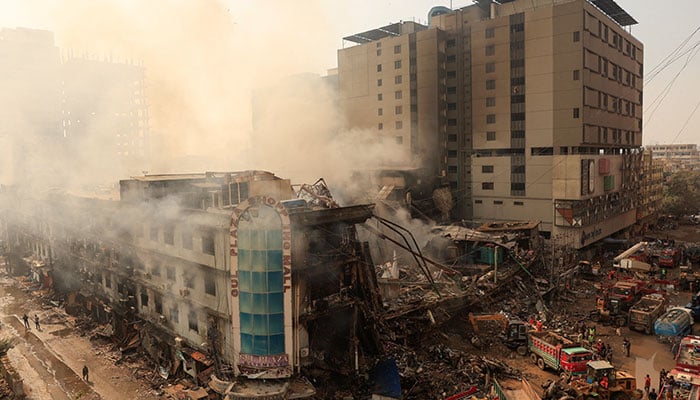
At least 26 people have been confirmed dead, while authorities believe around 70 individuals remain unaccounted for after a massive blaze engulfed the multi-storey Gul Plaza shopping complex in Karachi’s historic commercial district late Saturday night.
Overview of the Karachi Gul Plaza Fire
The inferno broke out at approximately 10:38 pm when flames erupted in ground-floor shops before rapidly spreading upward. The complex, housing nearly 1,200 shops and spanning an area larger than a football field, burned uncontrollably for over 24 hours before firefighters managed to extinguish the flames largely.
Footage circulating online showed towering flames ripping through the building as rescue crews battled extreme heat and thick smoke throughout the night.
Rescue Operations and Missing Persons
Firefighters and urban search teams have been pulling human remains from the smouldering rubble, placing them in bags for DNA identification. Exhausted rescue workers were seen pausing frequently due to intense heat emanating from the debris.
Families of the missing gathered outside the site, clinging to hope while fearing the worst. Several relatives said loved ones had gone shopping shortly before the fire and never returned.
Structural Collapse and Firefighting Challenges
By Monday afternoon, most of the building had collapsed. Authorities deployed cranes to demolish the remaining sections amid fears the unstable structure could cave in at any moment.
Fire officials said the lack of proper ventilation caused dense smoke to accumulate inside, severely hampering rescue efforts. Blocked windows, air-conditioning units, and metal grills reportedly prevented many from escaping.
Grief, Anger, and Public Reaction
Public anger intensified as crowds openly questioned the speed, preparedness, and overall effectiveness of the emergency response. When Karachi Mayor Murtaza Wahab visited the site, the situation turned more tense as protesters chanted slogans, accusing the authorities of negligence, poor planning, and delayed action in the face of a growing disaster.
Shop owners, visibly distressed, described how decades of hard work, savings, and livelihoods were reduced to ashes overnight, leaving them with nothing to rebuild from. At the same time, affected families and traders demanded a transparent investigation and strict accountability, calling the incident a preventable tragedy that exposed serious lapses in safety measures and crisis management.
Political Response and Senate Debate
The Karachi Gul Plaza fire sparked heated discussion in the Senate, where PPP Senator Sherry Rehman urged lawmakers not to politicise the tragedy, calling it a “lesson for all of us.” She confirmed that Sindh Chief Minister Murad Ali Shah had announced Rs10 million compensation for victims’ families and ordered a formal inquiry.
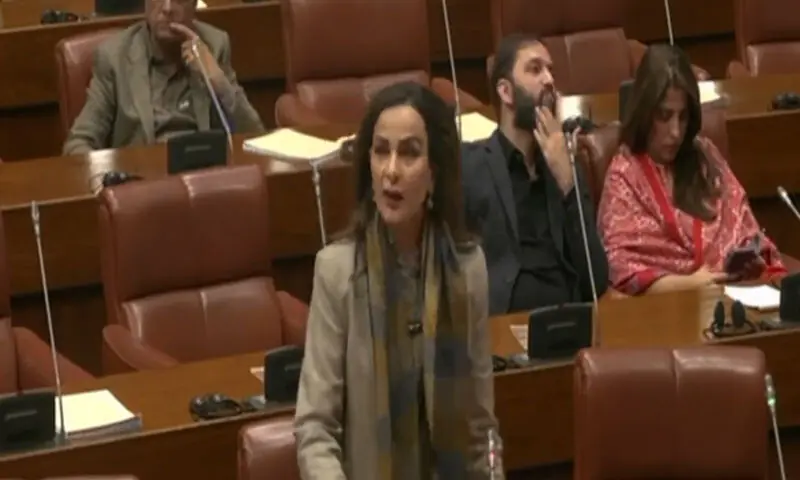
MQM Senator Khalida Ateeb sharply criticised the Sindh government, questioning how a building approved for fewer shops ended up housing more than a thousand units without adequate safety measures or emergency exits.
PTI Senator Barrister Ali Zafar agreed the incident exposed systemic corruption, stating that building bylaws existed “only on paper” and were routinely ignored nationwide.
Safety Failures and Official Inquiry
While initial police assessments suggested an electrical fault, the Sindh government said the exact cause remains undetermined. Officials acknowledged regulatory failures and pledged accountability once investigations conclude.
The tragedy has revived painful memories of Karachi’s 2012 industrial fire that claimed over 260 lives, reinforcing long-standing concerns over lax enforcement of building safety regulations.
As rescue operations continue, the Karachi Gul Plaza fire stands as a stark reminder of the human cost of negligence and the urgent need for reform.