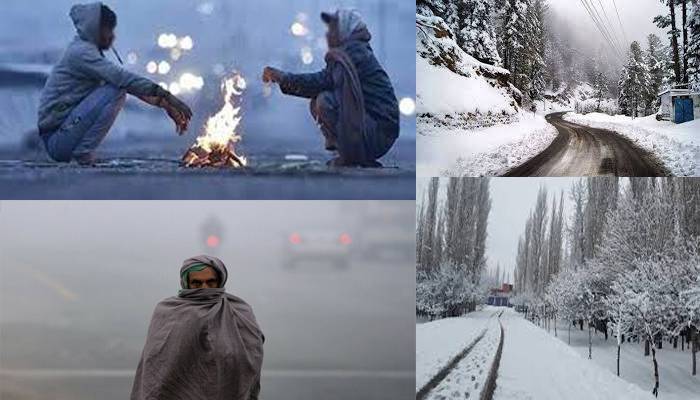
Islamabad – Pakistan is bracing for one of its coldest winters in decades, as the La Niña climate phenomenon is expected to bring below-normal temperatures across much of the country. The warning, issued in a report by the Intersector Coordination Group (ISCG) under the United Nations Office for the Coordination of Humanitarian Affairs (UN-OCHA), highlights the compounded challenges for flood-affected households, especially in mountainous regions like Khyber Pakhtunkhwa (KP) and Gilgit Baltistan (GB).
La Niña, which occurs when sea surface temperatures in the Pacific Ocean drop abnormally, disrupts global weather systems, often leading to extreme shifts in temperatures and precipitation patterns. According to the ISCG’s latest October forecast, this climatic event is likely to cause colder-than-usual temperatures in northern Pakistan, including regions such as Punjab, Khyber Pakhtunkhwa, Azad Jammu and Kashmir, and Gilgit Baltistan. This will add further strain on vulnerable populations already coping with the aftermath of devastating monsoon floods.
The report notes that the La Niña phenomenon will also lead to varying rainfall patterns across the country. Northern regions may experience below-normal rainfall, while the southern parts, including Sindh, Balochistan, and southern Punjab, are expected to receive near-normal precipitation. The forecast predicts several potential impacts, including disruptions to the Kharif crop harvest due to isolated storms, an increased risk of dengue outbreaks in stagnant water, and higher chances of glacial lake outburst floods in mountainous areas. The report also warns of smog and elevated air pollution levels, which could worsen the already challenging health conditions in urban plains.
Pakistan’s post-flood crisis continues to deepen, marked by a reduced capacity for response from both government and humanitarian partners. Despite initial strong efforts by local and international actors, the availability of resources and personnel has dwindled, hampering relief efforts. The report stressed that the transition from emergency response to early recovery will require additional funding to ensure continued basic services and support for affected communities.
The geo-spatial impact assessment by the Food and Agriculture Organization (FAO) revealed significant damage to the agricultural sector, with floodwaters inundating approximately 1.2 million hectares in Punjab, the country’s key agricultural hub. The floodwaters destroyed critical crops such as rice, cotton, and sugarcane, just as Pakistan entered the critical planting window for Rabi crops. The destruction of crop fields, livestock, and agricultural tools has exacerbated the risks to food security and livelihoods, with many communities struggling to recover.
In addition to the agricultural losses, the report highlighted severe disruptions to income-generating activities, with damaged or destroyed machinery and tools leaving many unable to resume work in the near future. This deepens the already precarious situation for households that rely on agriculture as their primary source of income.
As Pakistan faces these multi-layered challenges, the report underscores the urgent need for continued international support and a coordinated response to address the immediate and long-term effects of the climate crisis and flooding. The combination of a cold winter and the lingering impacts of the monsoon floods could push vulnerable populations further into crisis, requiring prompt action from both local and global actors to mitigate the devastating consequences.